
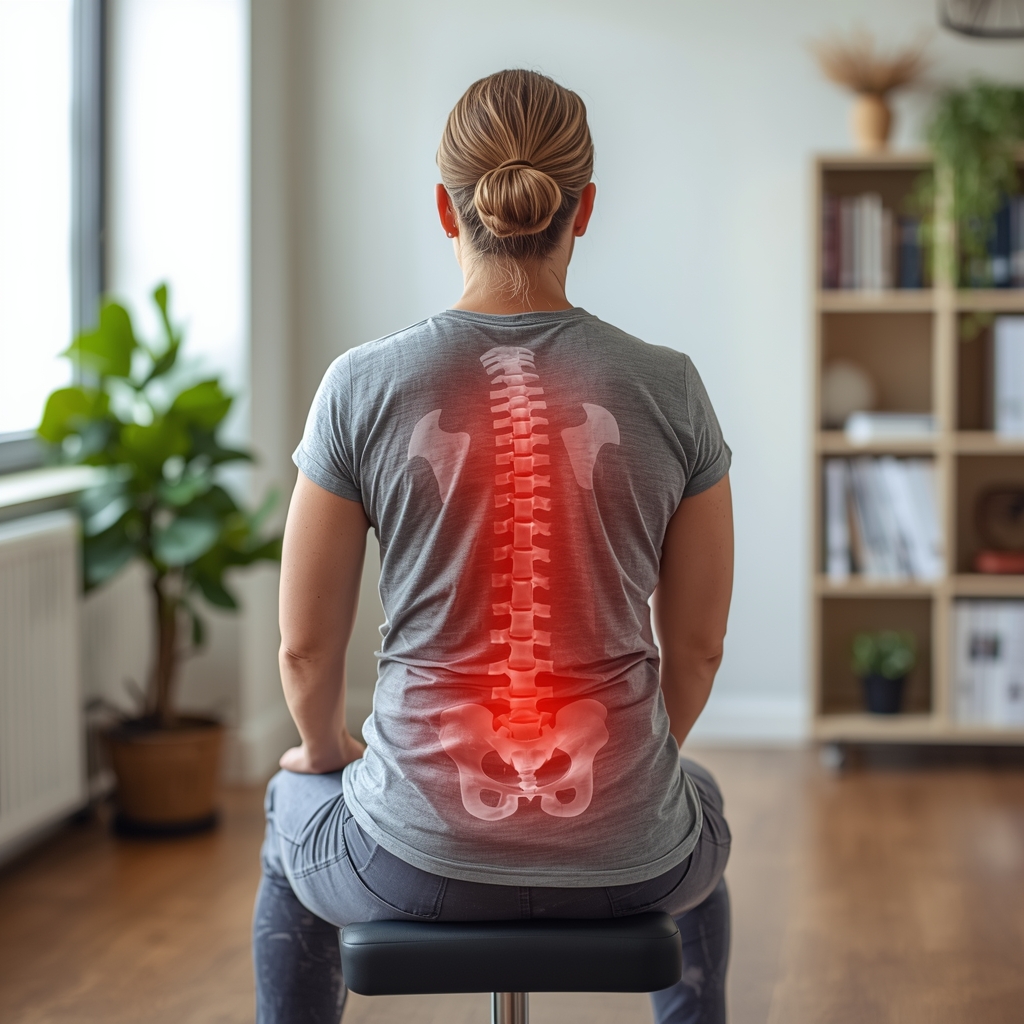
Understanding Labral Tears and Hip Pain
Labral tears occur when the cartilage lining the hip socket (labrum) becomes damaged, often due to trauma, repetitive motion, or degenerative changes. This condition can cause deep groin pain, stiffness, and limited mobility, significantly impacting daily activities. While imaging like MRI confirms diagnosis, treatment often involves a multidisciplinary approach. Chiropractic care may complement traditional methods by addressing musculoskeletal imbalances that contribute to pain. However, it’s crucial to consult a healthcare provider for personalized guidance, as labral tears sometimes require physical therapy, medication, or surgical intervention.
The Role of Chiropractic Adjustments
Chiropractic adjustments aim to restore proper joint function and reduce nerve irritation, which may alleviate hip pain associated with labral tears. By realigning the pelvis and spine, adjustments can ease pressure on the hip joint and surrounding tissues. This may improve mobility and reduce inflammation, though results vary based on tear severity. Chiropractors often combine adjustments with soft tissue techniques to address muscle tightness that exacerbates discomfort. While not a standalone cure, these interventions can support the body’s natural healing processes when integrated with other therapies under professional supervision.
Strengthening Exercises for Hip Support
Strengthening the muscles around the hip—such as the glutes, core, and hamstrings—can stabilize the joint and reduce strain on the labrum. Low-impact exercises like clamshells, bridges, and hip abductions may enhance flexibility and support. However, exercises should be tailored to individual needs to avoid aggravating the injury. A chiropractor or physical therapist can design a safe program, emphasizing proper form and gradual progression. Strengthening routines may also improve posture and movement patterns, addressing underlying causes of hip dysfunction. Consistency is key, but overexertion should be avoided to prevent further damage.
Combining Adjustments with Exercise
A multidisciplinary strategy often yields the best outcomes for labral tears. Chiropractic adjustments may enhance the effectiveness of strengthening exercises by ensuring proper joint alignment, allowing muscles to function optimally. For example, realigning the pelvis could reduce compensatory movements that strain the hip. Conversely, targeted exercises can reinforce the benefits of adjustments by building muscular support. This synergy may accelerate recovery and reduce recurrence risk. Patients should work closely with their chiropractor to coordinate care, ensuring exercises and adjustments complement each other without causing additional stress to the affected area.
When to Seek Professional Help
If hip pain persists or worsens, it’s essential to consult a qualified healthcare provider. Chiropractors specializing in musculoskeletal conditions can assess whether adjustments and exercises are appropriate for a labral tear. They may also refer patients to orthopedic specialists if surgical intervention is needed. Early diagnosis and treatment are critical, as untreated labral tears can lead to chronic pain or arthritis. Patients should avoid self-diagnosis and instead seek a comprehensive evaluation. A chiropractor can guide individuals toward evidence-based therapies while emphasizing the importance of following medical advice for optimal recovery.
Conclusion
Chiropractic adjustments and strengthening exercises may offer supportive care for hip pain caused by labral tears, but they are not substitutes for medical evaluation. Adjustments can address alignment issues, while targeted exercises build stability. Success depends on personalized care from experienced professionals who understand the complexities of hip dysfunction. Patients should prioritize collaboration with their chiropractor and other healthcare providers to develop a safe, effective treatment plan. By combining these approaches, individuals may achieve improved mobility and quality of life, provided they adhere to professional guidance and avoid risky self-treatment practices.















