
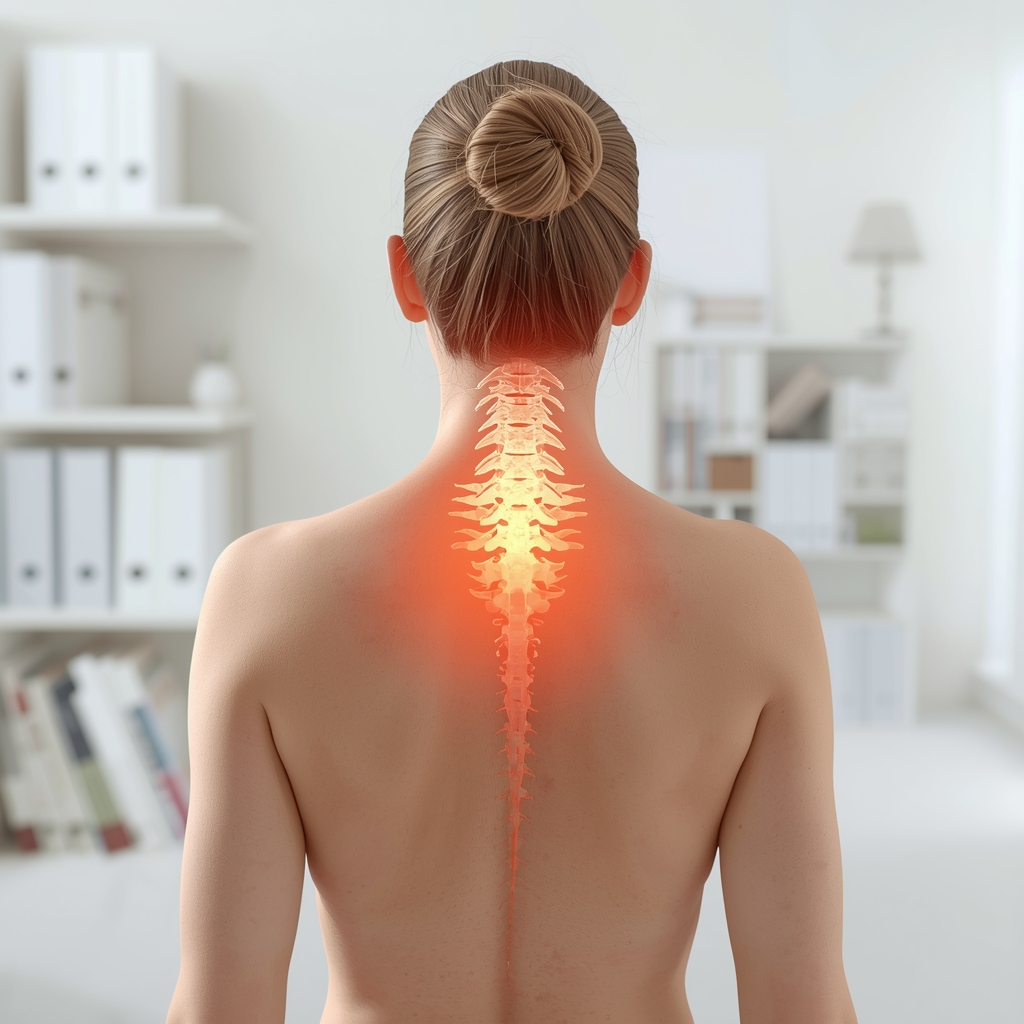
Understanding ART and Thoracic Outlet Syndrome
Active Release Technique (ART) is a soft tissue therapy focused on resolving issues with muscles, tendons, and nerves by breaking down adhesions and restoring normal movement. Thoracic Outlet Syndrome (TOS) occurs when nerves or blood vessels in the thoracic outlet—between the neck and armpit—become compressed, causing pain, numbness, and weakness in the arms. Concurrent nerve entrapment may involve the brachial plexus or other nerves, complicating symptoms. ART addresses these conditions by targeting tight or restricted soft tissues that contribute to compression, offering a non-invasive approach to alleviate discomfort and improve mobility.
Key ART Protocols for TOS
ART protocols for TOS typically focus on releasing tight muscles and fascia in the neck, shoulder, and upper chest. Techniques like myofascial release and nerve glides are used to reduce pressure on the brachial plexus and subclavian vessels. Common areas targeted include the scalene muscles, pectoralis minor, and subclavius. By applying specific pressure while the patient moves, ART helps break down scar tissue and restore normal function. Clinicians may also address adjacent structures, such as the levator scapulae, to ensure comprehensive relief. These protocols are often tailored to the patient’s unique anatomy and symptom patterns, emphasizing precision and adaptability.
Addressing Concurrent Nerve Entrapment
When TOS coexists with other nerve entrapments, ART integrates strategies to relieve multiple sites of compression. For example, carpal tunnel syndrome or cervical radiculopathy may require additional focus on the wrist, forearm, or cervical spine. ART techniques like nerve mobilization and muscle energy adjustments can help free entrapped nerves while reducing surrounding tension. Practitioners may also assess posture and movement patterns to identify contributing factors, such as forward head posture or rounded shoulders. By addressing interconnected soft tissue restrictions, ART aims to restore balanced neuromuscular function and reduce systemic strain on the nervous system.
Combining ART with Chiropractic Care
ART is often used alongside chiropractic adjustments to enhance outcomes for TOS and nerve entrapment. Spinal manipulations can correct misalignments that contribute to nerve compression, while ART targets soft tissue restrictions. This combined approach addresses both structural and muscular components of the condition. For instance, adjusting the cervical or thoracic spine may improve nerve flow, while ART releases tight muscles that exacerbate symptoms. Patients may also benefit from rehabilitative exercises and ergonomic adjustments to maintain progress. The synergy between these therapies underscores the value of a multidisciplinary strategy for complex neuromuscular conditions.
Personalized Treatment Plans
Effective ART protocols for TOS and nerve entrapment require individualized assessment and planning. Practitioners evaluate the patient’s symptoms, posture, and activity levels to design a targeted approach. Factors like the severity of nerve compression, presence of scar tissue, and lifestyle habits influence treatment decisions. Some patients may need frequent sessions to address chronic restrictions, while others see improvement with fewer visits. Open communication between the patient and provider ensures adjustments to the protocol as progress is made. This personalized focus helps optimize results and minimizes the risk of over-treatment or missed contributing factors.
Consulting a Qualified Provider
While ART offers promising benefits for TOS and nerve entrapment, it is essential to work with a licensed chiropractor or soft tissue specialist trained in these techniques. A qualified provider can accurately diagnose the condition, rule out other causes, and develop a safe, effective plan. Patients should discuss their medical history, current symptoms, and goals to ensure the protocol aligns with their needs. Avoiding self-treatment or unqualified practitioners reduces the risk of complications. By partnering with an experienced professional, individuals can explore ART’s potential to relieve discomfort and improve quality of life.













