
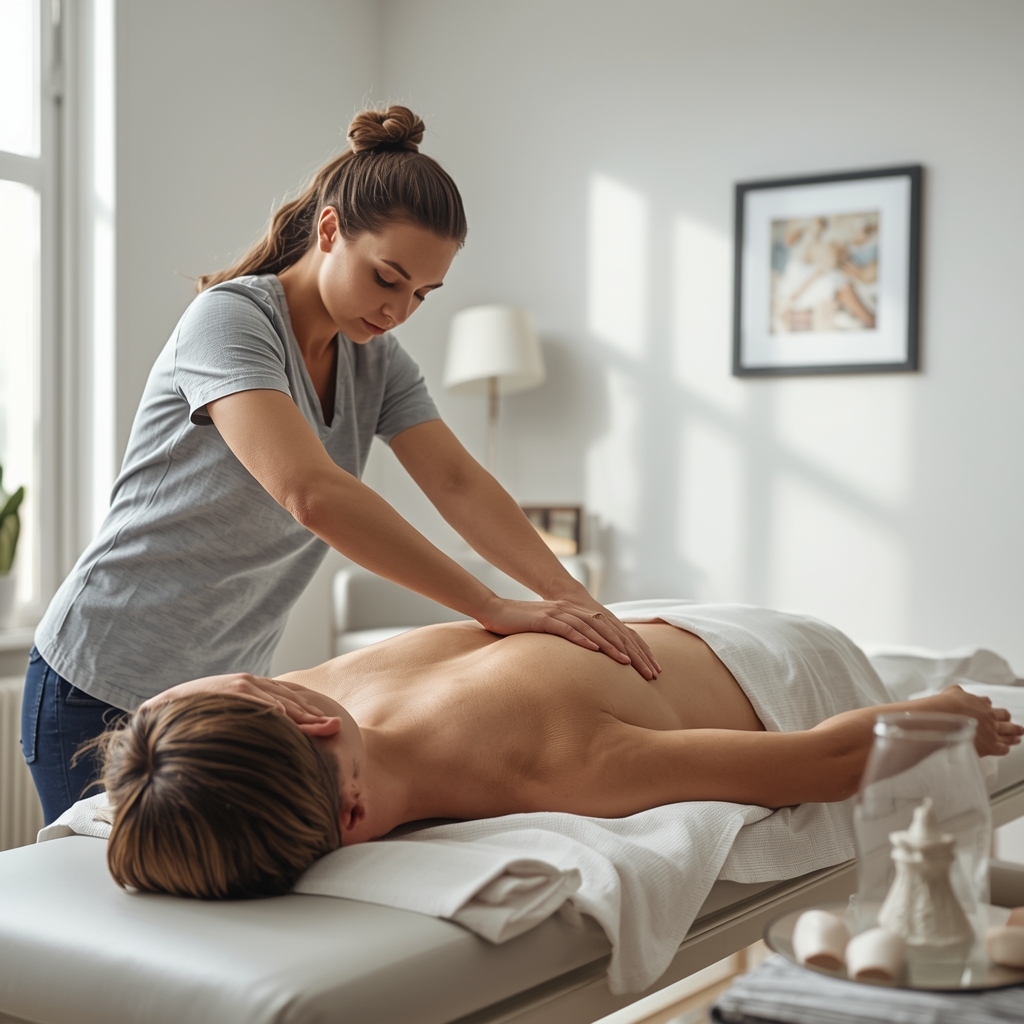
Understanding Chronic Thoracic Outlet Syndrome and Integrated Care
Chronic thoracic outlet syndrome (TOS) involves compression of nerves or blood vessels in the thoracic outlet, leading to pain, numbness, and weakness in the upper extremities. While spinal adjustments can help realign the spine and reduce pressure, integrating complementary therapies like massage is often recommended. These approaches aim to address musculoskeletal tightness, improve circulation, and enhance overall recovery. By combining spinal adjustments with targeted massage techniques, patients may experience more comprehensive relief. However, it’s essential to consult a qualified chiropractor or therapist to tailor the approach to individual needs. This article explores massage methods that align with spinal care for TOS, emphasizing safe, evidence-based practices.
Soft Tissue Therapy for Muscle Relaxation
Soft tissue therapy, including techniques like deep tissue massage and myofascial release, focuses on easing tension in muscles surrounding the thoracic outlet. Tightness in the scalenes, pectoralis minor, and levator scapulae muscles is common in TOS patients and can exacerbate nerve compression. By addressing these areas, soft tissue therapy may reduce pressure on affected nerves and blood vessels. This method also promotes better blood flow and lymphatic drainage, supporting the body’s natural healing processes. When combined with spinal adjustments, it can enhance the effectiveness of structural corrections. However, the intensity and duration of sessions should be adjusted based on the patient’s comfort and condition, underscoring the importance of professional guidance.
Trigger Point Therapy for Nerve Compression Relief
Trigger point therapy targets specific, hyperirritable spots in muscles that contribute to pain and dysfunction. In TOS, these points often develop in the neck, shoulder, and upper back due to chronic strain. By applying sustained pressure or using tools like massage balls, therapists can deactivate these points, reducing referred pain and improving mobility. This technique complements spinal adjustments by alleviating muscular restrictions that may hinder proper alignment. Patients frequently report decreased discomfort and increased range of motion after trigger point sessions. However, it’s crucial to avoid overworking sensitive areas, as excessive pressure could worsen symptoms. A qualified practitioner can ensure safe and effective application of this method.
Myofascial Release for Fascial Restrictions
Myofascial release involves gentle, sustained pressure to stretch and relax the fascia—the connective tissue surrounding muscles. In TOS, restricted fascia can contribute to nerve entrapment and reduced mobility. This technique helps restore the fascia’s natural elasticity, easing tension that may interfere with spinal adjustments. By improving the glide between muscle layers, myofascial release can enhance the effectiveness of manual therapies and reduce recurring symptoms. It is particularly useful for patients with chronic tightness or postural imbalances. However, results often require multiple sessions, and the approach should be customized to avoid discomfort. Collaboration between the chiropractor and therapist ensures a cohesive treatment plan.
Active Release Technique (ART) for Structural Imbalances
Active Release Technique (ART) is a soft tissue system that combines examination and treatment to address muscular and fascial imbalances. For TOS, ART can target adhesions in the scalene muscles, subclavius, and other areas contributing to nerve compression. By using specific movements while applying pressure, practitioners can break down scar tissue and restore normal function. This method is especially beneficial when combined with spinal adjustments, as it addresses both muscular and skeletal components of TOS. Patients often experience improved posture and reduced pain after ART sessions. However, it requires a trained professional to perform effectively, as improper technique may cause further irritation. A chiropractor can determine if ART is suitable for a patient’s condition.
Collaborative Care for Optimal Outcomes
Integrating massage therapies with spinal adjustments offers a holistic approach to managing chronic TOS. Techniques like soft tissue therapy, trigger point work, myofascial release, and ART can alleviate muscular tension, improve mobility, and support spinal realignment. However, the success of these methods depends on personalized care and professional oversight. Each patient’s condition varies, so a chiropractor or therapist must assess individual needs before recommending specific techniques. While these therapies are generally safe, they should not replace medical evaluation or prescribed treatments. By fostering collaboration between healthcare providers, patients can achieve more sustainable relief and better long-term outcomes. Always consult a qualified practitioner to discuss the best options for your situation.












