
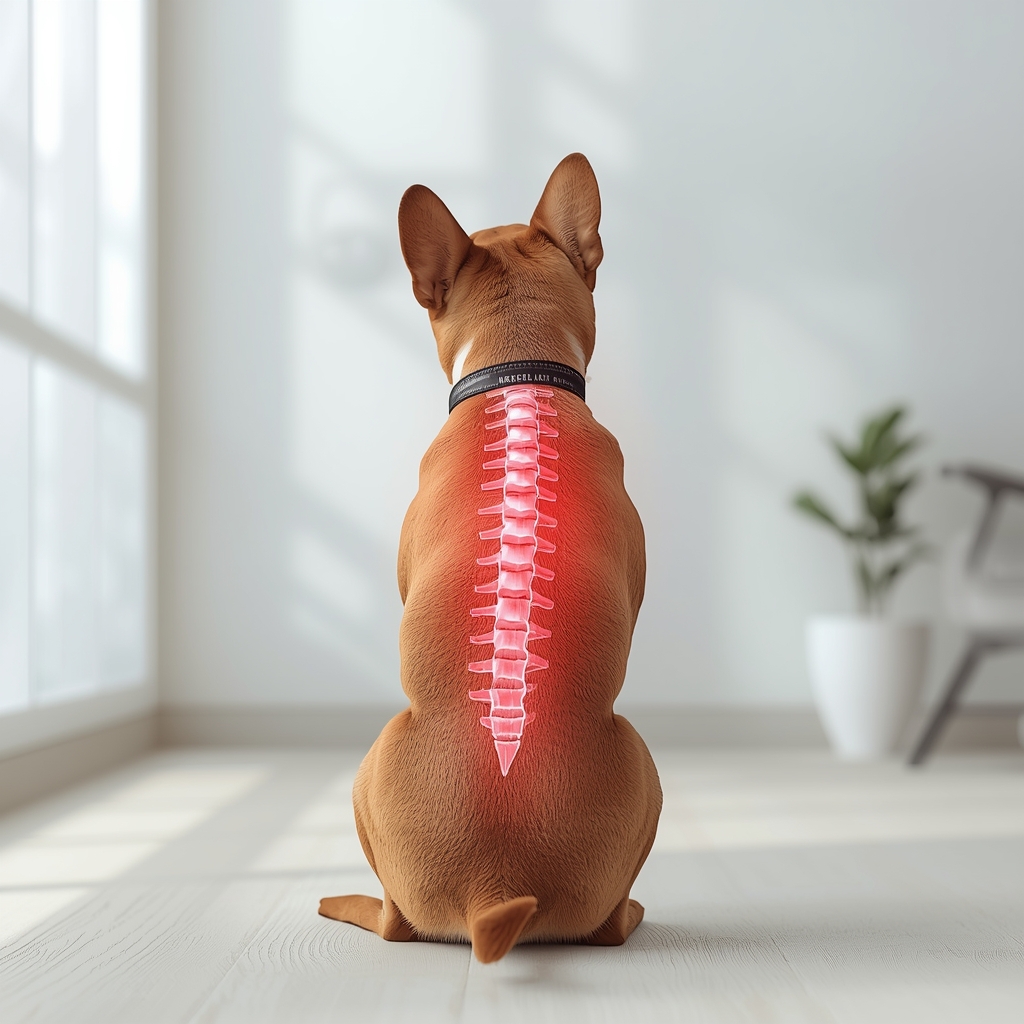
Understanding Animal Chiropractic Care
Animal chiropractic focuses on the musculoskeletal and nervous systems of pets, emphasizing the relationship between spinal alignment and overall health. Similar to human chiropractic care, it involves manual adjustments to correct misalignments (subluxations) that may interfere with nerve function. For animals, this approach is often used to address mobility issues, pain, and discomfort, particularly in aging pets. While not a substitute for veterinary care, it complements traditional medicine by supporting the body’s natural ability to heal. Many pet owners seek chiropractic care for conditions like arthritis, joint stiffness, or post-injury recovery. However, it’s essential to consult a licensed animal chiropractor who has specialized training in treating pets, as their needs differ from humans. This care is typically gentle, non-invasive, and tailored to the animal’s species, size, and condition.
Signs of Spinal Misalignment in Pets
Identifying when a pet might benefit from chiropractic adjustments starts with recognizing subtle or obvious signs of spinal discomfort. Common indicators include stiffness, especially after rest or during movement, reduced range of motion, or difficulty jumping, climbing, or navigating stairs. Pets may also show reluctance to play, decreased activity levels, or changes in gait, such as limping or favoring a limb. Behavioral shifts, like increased irritability or withdrawal, can signal underlying pain. Additionally, pets might exhibit muscle atrophy in specific areas or have uneven weight distribution. These symptoms often stem from misalignments in the spine or joints, which can affect nerve function and lead to discomfort. Early intervention is key, as chronic issues may worsen without proper care. If you notice any of these signs, a consultation with a qualified animal chiropractor can help determine if adjustments are appropriate.
Mobility Challenges in Aging Pets
As pets age, they often experience joint degeneration, muscle weakness, and reduced flexibility, which can significantly impact their quality of life. Arthritis, a common condition in senior animals, causes pain and stiffness, making everyday activities like walking or resting uncomfortable. Chiropractic care can help alleviate these issues by improving spinal alignment, reducing pressure on nerves, and enhancing joint mobility. For older pets, regular adjustments may slow the progression of degenerative conditions and support overall comfort. Owners might notice their pets struggling with basic movements, such as getting up from a躺 or navigating their environment. In these cases, chiropractic interventions can complement other treatments, such as medication or physical therapy, to manage pain and maintain function. It’s important to note that each pet’s needs are unique, and a chiropractor can create a personalized plan to address specific challenges while prioritizing safety and well-being.
Behavioral Cues Your Pet Might Be Experiencing Pain
Pets often hide discomfort, but their behavior can reveal underlying issues that might benefit from chiropractic care. Sudden aggression, excessive licking or biting of a specific area, or changes in social interactions may indicate pain or discomfort. For example, a normally affectionate cat might become withdrawn or irritable if they’re experiencing joint pain. Similarly, a dog that avoids certain movements or shows hesitation during walks could be dealing with spinal or musculoskeletal issues. Other signs include restlessness, difficulty settling down, or changes in eating or sleeping patterns. These behaviors are not always obvious, but they can signal that something is wrong. Chiropractic adjustments may help relieve the pressure causing these symptoms, improving the pet’s comfort and behavior. However, it’s crucial to rule out other medical conditions through a veterinary examination before pursuing alternative therapies. A holistic approach ensures that all potential causes are addressed effectively.
When to Consult a Certified Animal Chiropractor
If you suspect your pet is experiencing discomfort or mobility issues, consulting a certified animal chiropractor is a proactive step. These professionals have specialized training in diagnosing and treating musculoskeletal conditions in animals, ensuring safe and effective care. Before seeking adjustments, it’s advisable to first consult your veterinarian to rule out serious medical conditions. Once cleared, a chiropractor can perform a thorough evaluation, including observing your pet’s movement and checking for spinal misalignments. They may also consider the pet’s medical history and current symptoms to create a tailored care plan. Regular check-ups can help monitor progress and prevent minor issues from escalating. It’s important to choose a chiropractor with experience in treating your pet’s specific species and size, as techniques vary between dogs, cats, and other animals. By working with a qualified provider, you can ensure your pet receives the best possible support for their unique needs.
Benefits of Chiropractic Care for Pets
Chiropractic care offers several potential benefits for pets, particularly those dealing with mobility or musculoskeletal challenges. By restoring proper spinal alignment, it can reduce pain, improve range of motion, and enhance nerve function, which supports overall health. Many pet owners report that their animals exhibit increased energy levels, better posture, and improved flexibility after adjustments. For aging pets, this care may help manage chronic conditions like arthritis, making daily activities more comfortable. Additionally, chiropractic treatments can complement other therapies, such as physical rehabilitation or acupuncture, to provide a holistic approach to wellness. While results vary, consistent care often leads to long-term improvements in quality of life. It’s important to remember that chiropractic care is not a cure-all but a supportive treatment option. Always discuss your pet’s specific needs with a qualified professional to determine if adjustments are appropriate and how they can be integrated into their overall care plan.













