
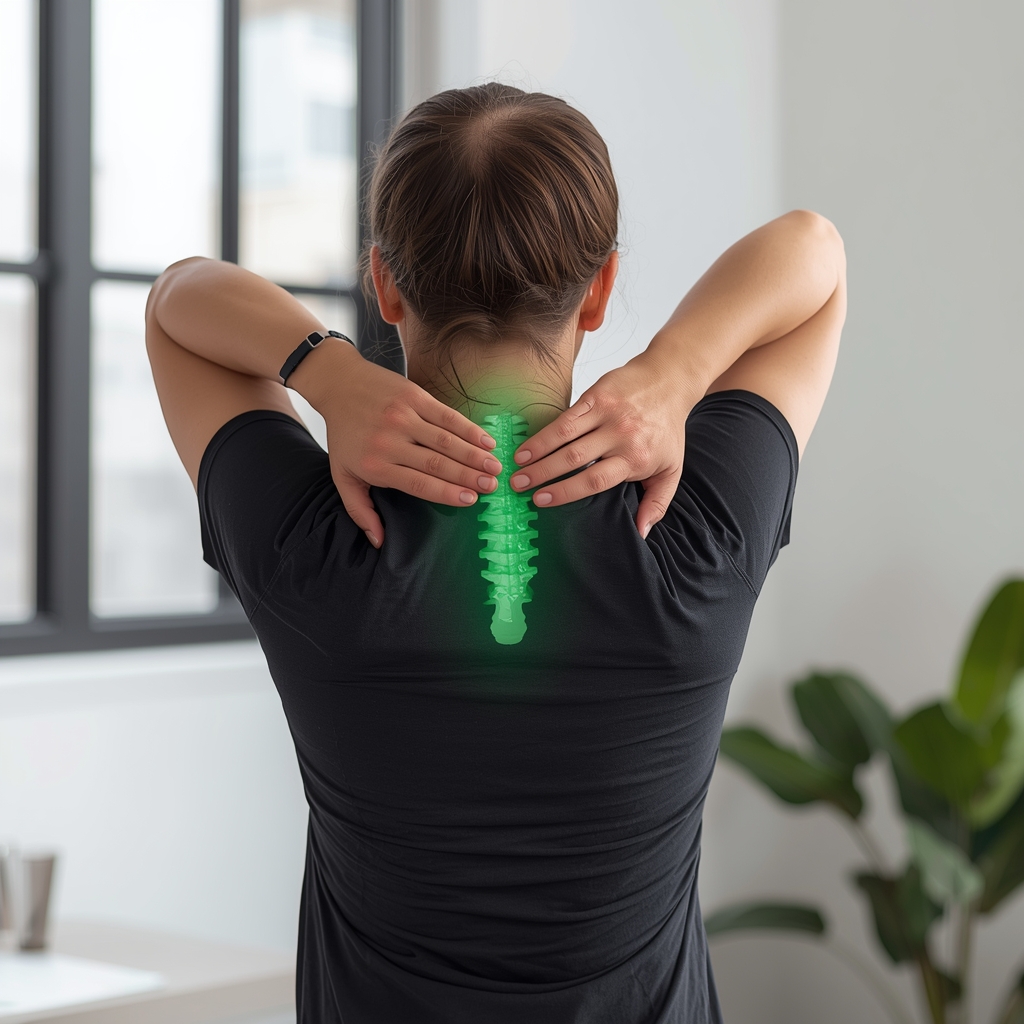
Understanding Holiday-Related Shoulder and Neck Strain
Holiday seasons often involve repetitive lifting, such as moving boxes, carrying groceries, or assembling furniture, which can strain the shoulders and neck. These activities may lead to muscle tension, joint stiffness, or misalignments in the cervical and thoracic spine. Common symptoms include soreness, limited range of motion, and headaches. While occasional discomfort is normal, persistent pain may indicate underlying issues requiring professional care. Chiropractic approaches focus on restoring balance and function without invasive procedures, making them a popular choice for holiday recovery. Understanding effective techniques can help individuals manage strain and prevent long-term complications.
Spinal Adjustments for Alignment and Relief
Spinal adjustments, a cornerstone of chiropractic care, involve manual manipulations to correct misalignments in the spine. For holiday-related shoulder and neck strain, adjustments can alleviate pressure on nerves and improve joint mobility. By restoring proper alignment, this technique reduces muscle tension and promotes natural healing. For example, a chiropractor might address cervical spine misalignments contributing to neck pain or thoracic restrictions affecting shoulder function. Many patients report immediate relief after adjustments, though multiple sessions may be needed for lasting results. This approach is non-invasive and complements other therapies, making it a valuable option for managing holiday-related musculoskeletal strain.
Active Release Technique (ART) for Soft Tissue Healing
Active Release Technique (ART) is a specialized method targeting soft tissues like muscles, tendons, and ligaments. It involves applying pressure while the patient moves the affected area, breaking up adhesions and restoring flexibility. For holiday strain from repetitive lifting, ART can address tightness in the trapezius, levator scapulae, and rotator cuff muscles. This technique is particularly effective for reducing scar tissue and improving circulation, which speeds up recovery. Patients often experience reduced pain and improved range of motion after ART sessions. Chiropractors may combine this with other treatments to enhance outcomes, offering a targeted solution for strain caused by seasonal activities.
Soft Tissue Therapy for Muscle Relaxation
Soft tissue therapy, including massage and myofascial release, focuses on easing muscle tension and improving blood flow. Techniques like deep tissue massage or trigger point therapy can relieve soreness in the shoulders and neck caused by repetitive lifting. By releasing knots and reducing inflammation, this approach helps restore normal muscle function and posture. Chiropractors may use tools like foam rollers or handheld massagers as part of a home care regimen. For holiday strain, combining soft tissue therapy with spinal adjustments can provide comprehensive relief. It’s important to consult a professional to ensure techniques are tailored to individual needs, avoiding further injury.
Ergonomic Tips and Preventive Measures
Preventing holiday-related strain involves adopting ergonomic practices during lifting and daily tasks. Proper posture, such as keeping objects close to the body and using leg strength instead of the back, reduces stress on the shoulders and neck. Chiropractors often recommend stretching exercises to maintain flexibility and warm-up routines before physically demanding activities. For example, neck rolls, shoulder shrugs, and chest openers can counteract stiffness. Additionally, taking regular breaks and using supportive equipment, like ergonomic chairs or lifting aids, minimizes strain. Integrating these habits into holiday routines helps sustain musculoskeletal health and reduces the need for intensive interventions later.
When to Seek Chiropractic Care
If shoulder or neck strain persists despite self-care measures, consulting a chiropractor is advisable. Chronic pain, radiating symptoms, or difficulty performing daily tasks may signal underlying issues requiring professional evaluation. Chiropractors assess the spine and soft tissues to identify misalignments or imbalances contributing to discomfort. They may recommend a combination of adjustments, soft tissue work, and lifestyle modifications for optimal recovery. Early intervention can prevent minor strain from escalating into more severe conditions. Individuals should prioritize their health by seeking care from a licensed chiropractor, ensuring safe and effective management of holiday-related musculoskeletal challenges.












