
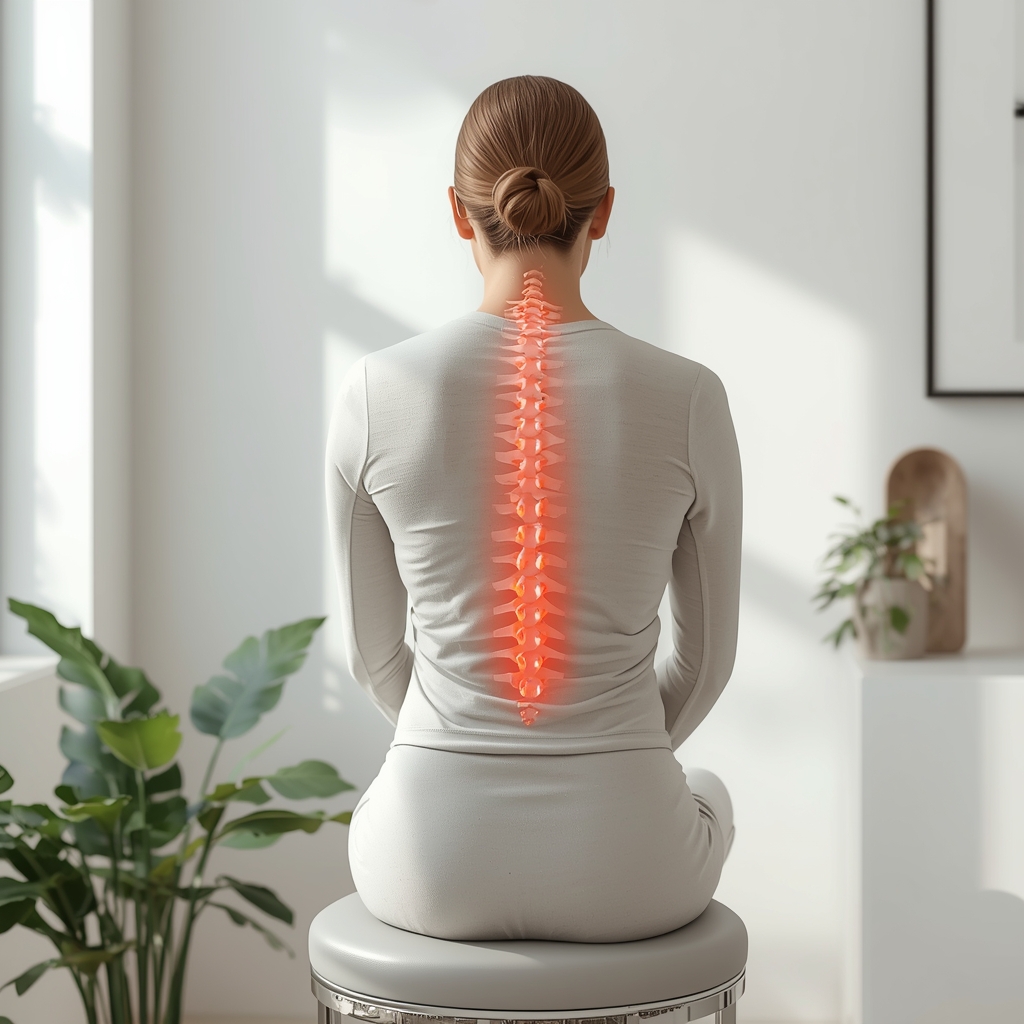
Understanding the Structure of Chiropractic Licensing Exams
Chiropractic licensing exams are designed to assess a candidate’s knowledge, clinical skills, and ethical understanding. These exams typically include written components covering anatomy, physiology, pathology, and chiropractic techniques, as well as practical assessments to evaluate hands-on abilities. The National Board of Chiropractic Examiners (NBCE) is a common authority in the U.S., offering exams like the Basic Sciences, Clinical Sciences, and the Practical Exam. Candidates must also demonstrate familiarity with legal and ethical standards, such as patient confidentiality and scope of practice. Each jurisdiction may add state-specific requirements, emphasizing the importance of researching local regulations. The exams ensure professionals meet baseline competencies to provide safe, effective care. Understanding the structure helps candidates focus their preparation on key areas, aligning study efforts with exam expectations.
Key Knowledge Areas Tested
Licensing exams emphasize foundational and applied knowledge critical to chiropractic practice. Written sections often cover subjects like musculoskeletal anatomy, diagnostic imaging, and differential diagnosis, ensuring candidates can identify and address spinal and musculoskeletal conditions. Clinical sciences test understanding of patient evaluation, treatment planning, and case management. Practical exams assess techniques such as spinal manipulation, soft tissue therapy, and patient communication. Ethical and legal components evaluate awareness of professional responsibilities, including informed consent and regulatory compliance. Candidates must also grasp principles of evidence-based practice and patient safety. Mastery of these areas ensures practitioners can deliver comprehensive care while adhering to industry standards. Focusing on these domains helps candidates prioritize study materials and identify gaps in their knowledge, fostering confidence in both theoretical and applied settings.
Practical Skills and Clinical Assessments
Practical exams test a candidate’s ability to perform chiropractic techniques safely and effectively. These assessments often involve simulated patient scenarios, where candidates must demonstrate proper adjustment methods, posture analysis, and diagnostic reasoning. Evaluators observe precision, technique, and patient interaction, ensuring candidates meet competency thresholds. Soft tissue work, range-of-motion testing, and gait analysis may also be included. Preparation involves hands-on practice with peers or mentors, using models or real patients under supervision. Many programs offer mock exams to simulate testing conditions, helping candidates build muscle memory and confidence. Success in these areas requires not only technical skill but also the ability to adapt to diverse patient needs. Practicing under realistic conditions helps identify areas for improvement, ensuring candidates are fully prepared for the rigors of clinical practice.
Preparing for Ethical and Legal Standards
Chiropractic licensing exams include sections on ethics, law, and professional conduct. Candidates must understand regulations governing practice, such as state-specific licensing laws, malpractice prevention, and documentation requirements. Ethical scenarios often test decision-making in areas like patient autonomy, conflicts of interest, and boundary management. Preparation involves reviewing official guidelines, case studies, and state board resources. Many candidates study with peers or attend workshops focused on ethical dilemmas. Familiarity with the American Chiropractic Association’s code of ethics is also beneficial. These exams ensure practitioners uphold integrity and accountability, fostering trust in the profession. By prioritizing ethical training, candidates reinforce their commitment to patient-centered care and regulatory compliance, essential for long-term success in the field.
Strategies for Effective Study and Review
Successful preparation for chiropractic licensing exams requires structured study plans and consistent review. Candidates often use study guides, practice exams, and flashcards to reinforce key concepts. Joining study groups or online forums allows for collaborative learning and problem-solving. Time management is critical, with many candidates dedicating several hours weekly to focused review. Utilizing resources from accredited institutions, such as textbooks and video tutorials, helps clarify complex topics. Mock exams under timed conditions simulate the testing environment, reducing anxiety and improving performance. Candidates should also prioritize self-assessment, identifying weak areas for targeted improvement. Balancing study with rest ensures optimal retention and mental clarity. By adopting disciplined, personalized strategies, candidates can build the knowledge and confidence needed to excel in their exams.
Resources and Support for Candidates
Access to reliable resources is vital for exam preparation. Candidates should consult official materials from licensing bodies, such as the NBCE, which provides exam blueprints and sample questions. Educational institutions often offer review courses, tutoring, and practice tests tailored to the exam format. Online platforms like chiropractic forums and video libraries can supplement learning with real-world insights. Mentorship from licensed practitioners provides guidance on navigating challenges and understanding expectations. Additionally, state chiropractic associations may host workshops or webinars on exam-specific topics. Candidates should also leverage library services, academic journals, and peer-reviewed articles for in-depth knowledge. Combining these resources with consistent study habits creates a robust preparation framework. Seeking support from peers and professionals ensures candidates stay motivated and informed throughout their journey.













