
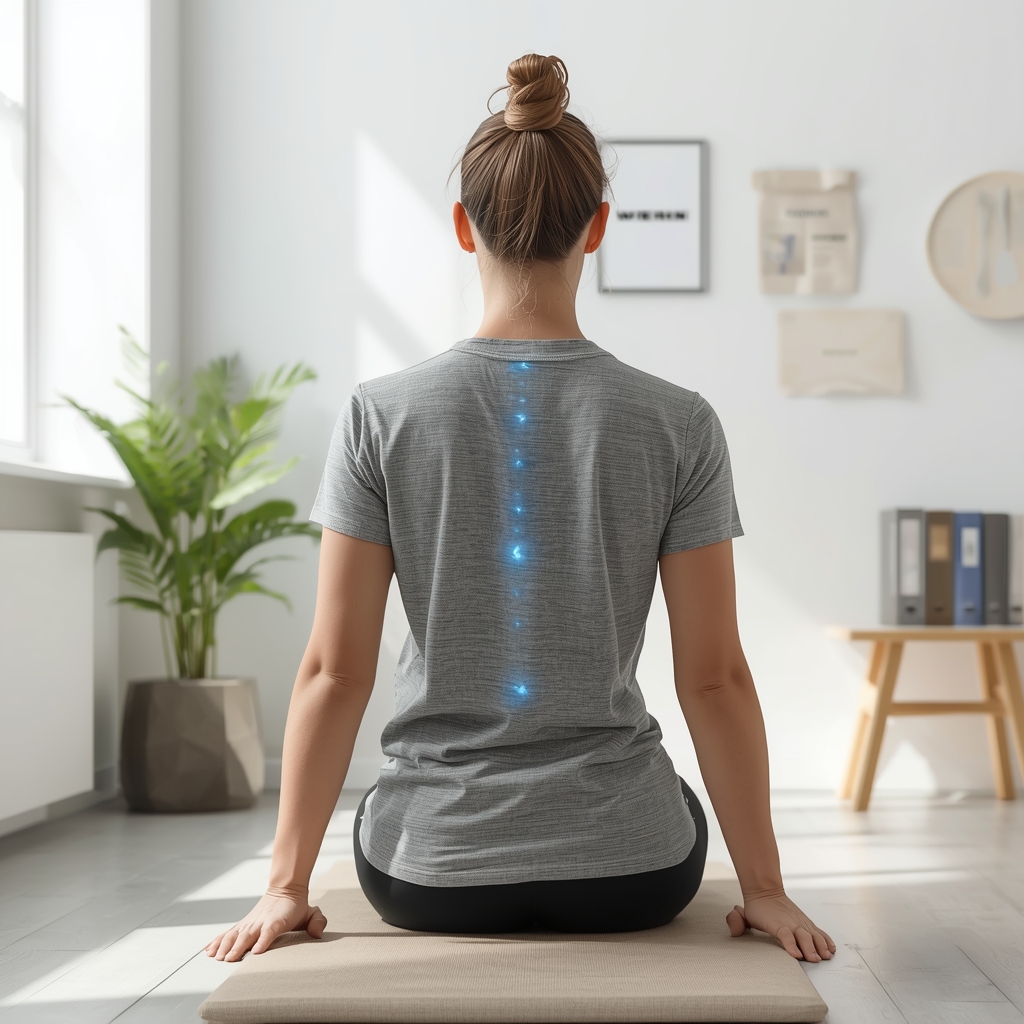
Preparing for Virtual Posture Assessments
Effective telehealth consultations require careful preparation to ensure accurate posture and movement evaluations. Begin by educating patients on how to set up their environment—recommend a well-lit, quiet space with a neutral background. Provide clear instructions for positioning their device at eye level to capture full-body views. Encourage patients to wear loose, breathable clothing that allows unrestricted movement. Before the session, share a brief checklist of common posture-related concerns, such as rounded shoulders or forward head tilt, so they can self-observe. This proactive approach helps clinicians focus on key areas during the assessment. Additionally, confirm technical readiness by verifying stable internet connectivity and familiarizing patients with the video platform. Clear communication before the visit builds trust and ensures both parties understand the process, leading to more efficient and effective evaluations.
Utilizing Technology for Detailed Observations
Telehealth platforms offer tools to enhance virtual posture and movement assessments. Use high-definition video capabilities to zoom in on specific body regions, such as the cervical spine or lower back, for closer examination. Encourage patients to record short video clips of their movements if real-time observation is limited. Some platforms allow screen sharing, enabling clinicians to demonstrate proper posture techniques or reference anatomical diagrams. When evaluating gait or balance, ask patients to walk in a straight line or perform simple tasks like squatting. Document observations through notes or screenshots, ensuring accuracy for follow-up. However, avoid over-reliance on technology—clinical judgment remains critical. Combine visual cues with patient-reported symptoms to form a comprehensive understanding. Regularly test equipment beforehand to prevent technical disruptions, maintaining professionalism and minimizing patient frustration during sessions.
Guiding Patients Through Movement Assessments
Directing patients through specific movements is essential for assessing their range of motion and biomechanics. Begin with basic tasks like standing, sitting, and transitioning between positions to observe static and dynamic posture. Request demonstrations of functional movements, such as bending to pick up an object or reaching overhead, to evaluate flexibility and alignment. Use verbal cues to guide patients through controlled motions, asking them to pause if discomfort arises. For complex assessments, break down tasks into smaller steps to ensure clarity. Encourage patients to describe any pain, stiffness, or unusual sensations during each movement. This feedback complements visual observations, highlighting areas needing further investigation. Maintain a calm, supportive tone to reduce patient anxiety, fostering open communication. By systematically guiding these assessments, clinicians can gather actionable data while prioritizing patient comfort and safety throughout the process.
Observing Posture and Alignment Remotely
Remote posture assessment requires keen attention to visual cues that indicate alignment issues. Start by observing the patient in a static position, noting deviations such as uneven shoulders, asymmetrical hip placement, or excessive lumbar curvature. Ask them to stand with feet shoulder-width apart and arms at their sides to assess overall balance. For dynamic evaluation, request movements like turning the head side to side or shifting weight from one foot to the other. Pay close attention to how the body compensates during these actions, as this can reveal underlying musculoskeletal imbalances. Use the video feed to track the spine’s natural curves and identify any forward head positioning or rounded shoulders. If unclear, request adjustments to the camera angle or lighting for better visibility. Combining these observations with patient-reported symptoms helps form a holistic view of their posture, guiding recommendations for further evaluation or intervention.
Documenting Findings and Recommendations
Thorough documentation is crucial for tracking patient progress and ensuring continuity of care. After each session, record key observations about posture, movement patterns, and any reported discomfort. Use clear, concise language to describe findings, avoiding medical jargon that might confuse patients. Note specific areas of concern, such as limited range of motion or compensatory movements, and correlate them with the patient’s symptoms. Provide general recommendations based on the assessment, like ergonomic adjustments or gentle stretching exercises, while emphasizing the importance of consulting a chiropractor for personalized plans. Share summaries via secure messaging or patient portals to maintain transparency. Regularly update records to reflect changes over time, supporting long-term care strategies. This structured approach not only enhances clinical accuracy but also empowers patients to take an active role in their health journey.
Follow-Up and Refining Virtual Assessments
Telehealth consultations should include follow-up strategies to refine assessments and monitor progress. Schedule periodic check-ins to re-evaluate posture and movement patterns, adjusting recommendations as needed. Use these sessions to address any new symptoms or challenges patients may face during self-assessment. Encourage patients to maintain a simple log of their daily posture habits and movement experiences, which can be reviewed during subsequent visits. If initial assessments reveal complex issues, guide patients toward in-person evaluations for more detailed examinations. Stay informed about advancements in telehealth tools and techniques to continuously improve virtual care quality. By fostering ongoing communication and adaptability, clinicians can ensure patients receive consistent, effective support. This iterative process strengthens the therapeutic relationship, promoting better outcomes through collaborative, patient-centered care.













