
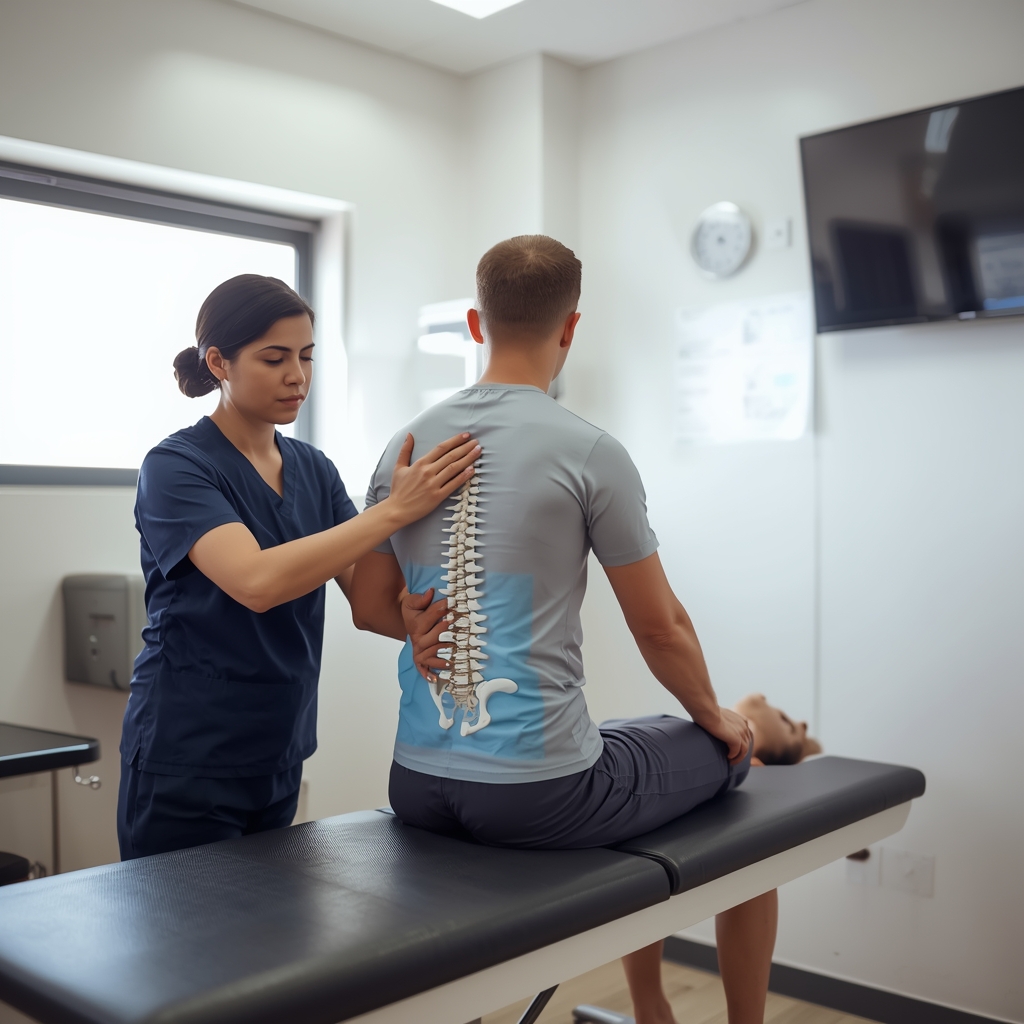
Understanding EMS in Post-Surgical Rehabilitation
Electrical muscle stimulation (EMS) involves using low-voltage electrical currents to activate muscles, often used to aid recovery after surgery. For patients undergoing spinal surgery, EMS can play a supportive role in rehabilitation by targeting muscle groups affected by the procedure. This non-invasive technique helps maintain muscle tone, reduce stiffness, and promote circulation, which are critical during the healing process. While EMS is not a substitute for professional medical care, it is often integrated into broader rehabilitation plans. Its application is typically guided by healthcare providers, including chiropractors, to ensure safety and effectiveness. Understanding how EMS works can help patients make informed decisions about its role in their recovery journey.
Enhancing Muscle Function and Strength
Post-surgical weakness and atrophy are common challenges after spinal procedures, as prolonged immobility can diminish muscle function. EMS stimulates muscle contractions, mimicking natural movement to re-engage underused muscles. This can help restore strength and coordination, which are essential for regaining mobility. By targeting specific muscle groups, EMS may also address imbalances that could strain the spine during recovery. However, its use should always align with a personalized rehabilitation strategy. Chiropractors and physical therapists often collaborate to determine the appropriate intensity and duration of EMS sessions. Patients should view EMS as a complementary tool rather than a standalone solution, emphasizing the importance of professional guidance to avoid overuse or improper application.
Managing Pain and Inflammation
Pain and inflammation are typical after spinal surgery, potentially delaying recovery. EMS may help alleviate these issues by promoting blood flow and reducing muscle tension. The electrical impulses can interfere with pain signals, offering temporary relief without relying on medication. Additionally, improved circulation can speed up the removal of waste products from tissues, potentially reducing swelling. While EMS is not a primary pain management method, it can be part of a multi-faceted approach. Patients should discuss its use with their chiropractor or physician to ensure it aligns with their treatment plan. Combining EMS with other therapies, such as manual adjustments or gentle exercises, may enhance its benefits while minimizing risks.
Preventing Muscle Atrophy and Joint Stiffness
Immobilization following spinal surgery increases the risk of muscle atrophy and joint stiffness, which can hinder recovery. EMS provides a way to maintain muscle activity without placing stress on the surgical site. By inducing controlled contractions, it helps preserve muscle mass and flexibility, reducing the likelihood of long-term complications. This is particularly valuable for patients with limited mobility during early recovery phases. However, EMS should be used cautiously to avoid overstimulation. A chiropractor can tailor the therapy to the patient’s condition, ensuring it supports rather than compromises healing. When integrated into a structured rehabilitation program, EMS can contribute to a smoother recovery process.
Supporting Nervous System Recovery
The nervous system plays a key role in post-surgical healing, and EMS may assist by stimulating nerve pathways. This can help re-establish communication between the brain and muscles, which may be disrupted after spinal procedures. Improved neural activation can enhance proprioception (body awareness) and coordination, crucial for restoring normal movement patterns. While the exact mechanisms are still being studied, anecdotal evidence suggests EMS can aid in retraining the nervous system. Patients should approach this therapy as part of a comprehensive care plan, consulting with their chiropractor to determine its suitability. The goal is to leverage EMS as a supportive tool that complements other rehabilitative efforts.
Considering Safety and Professional Guidance
While EMS offers potential benefits, its use requires careful consideration of safety protocols. Patients must work with qualified professionals, such as chiropractors or physical therapists, to design a safe and effective regimen. Improper application could lead to discomfort or setbacks, emphasizing the need for personalized guidance. Additionally, EMS should not replace essential medical care or prescribed therapies. Open communication with healthcare providers ensures that the therapy aligns with the patient’s unique needs and recovery timeline. By prioritizing professional oversight, patients can safely explore EMS as a potential aid in their post-surgical rehabilitation journey.














