
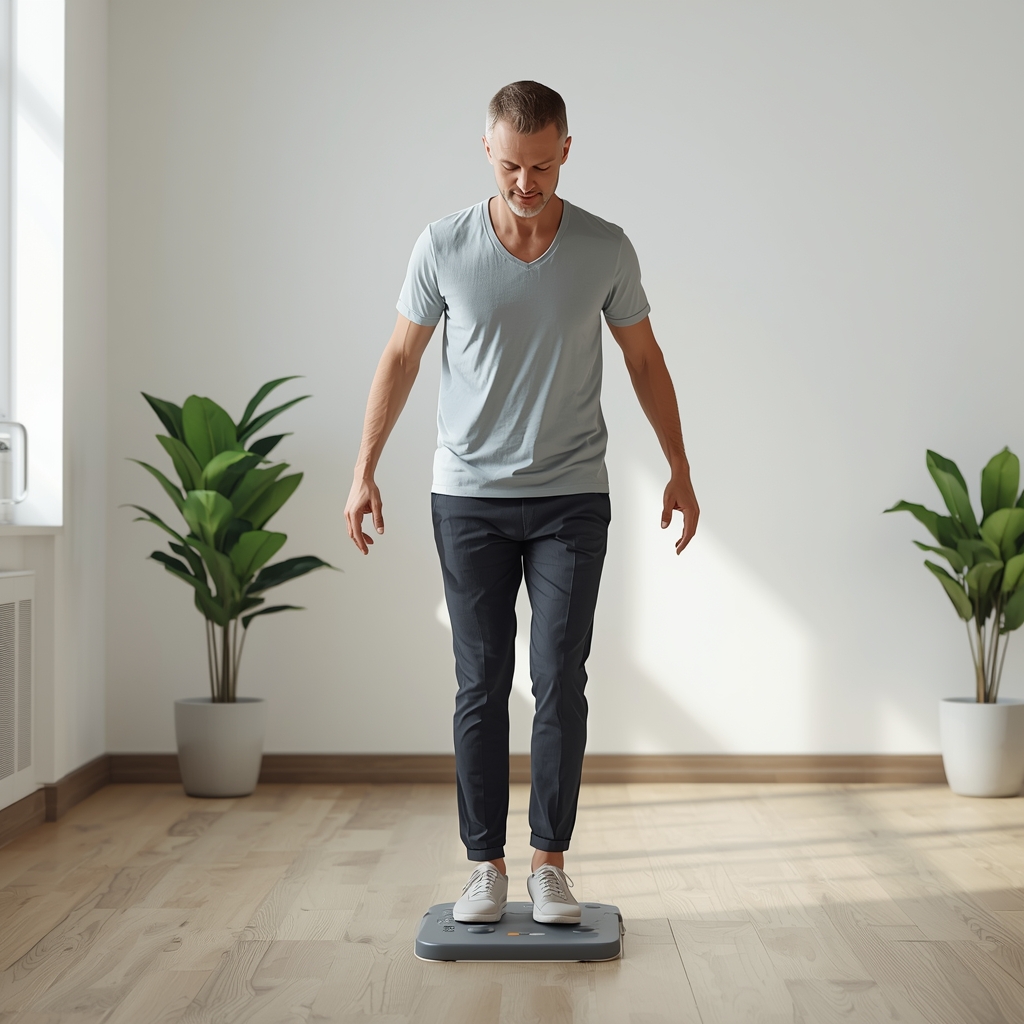
Understanding Balance and Fall Risk in Older Adults
As people age, maintaining balance becomes increasingly important. Muscle weakness, reduced coordination, and changes in the nervous system can heighten the risk of falls, which often lead to serious injuries. Spinal health plays a critical role in balance, as the spine supports posture, nerve function, and sensory feedback. When spinal alignment is compromised—whether due to degenerative changes, arthritis, or other conditions—this can disrupt the body’s ability to stabilize itself. For elderly patients, even minor imbalances can have significant consequences. Chiropractic care focuses on optimizing spinal function, which may help address these challenges. By improving alignment and nerve communication, chiropractors aim to support the body’s natural ability to maintain equilibrium and reduce fall risk.
The Connection Between Spinal Health and Balance
The spine is central to the body’s balance system, working in tandem with the inner ear, muscles, and nerves. Misalignments, or subluxations, can interfere with nerve signals that regulate posture and movement. In older adults, conditions like spinal stenosis—narrowing of the spinal canal—may exacerbate these issues by compressing nerves and limiting mobility. Chiropractic adjustments seek to correct such misalignments, potentially restoring proper nerve function and improving sensory input. This can enhance the body’s ability to detect and respond to changes in position, a key factor in preventing falls. Additionally, spinal care may alleviate pain or stiffness that contributes to instability, allowing for more confident movement. While not a cure-all, these interventions align with broader efforts to promote functional independence in aging populations.
Chiropractic Techniques for Improving Stability
Chiropractors use a range of techniques tailored to address balance and mobility concerns in elderly patients. Spinal adjustments are a primary tool, aiming to restore proper alignment and reduce nerve interference. Gentle manipulations can relieve pressure on spinal structures, potentially improving proprioception—the body’s awareness of its position in space. Some practitioners incorporate soft tissue therapies, such as myofascial release, to ease muscle tension that may hinder movement. Balance training exercises, often recommended alongside adjustments, can further reinforce stability. These may include guided movements to strengthen core muscles or improve coordination. For seniors, chiropractic care is typically adapted to their individual needs, prioritizing comfort and safety. By combining structural corrections with functional support, these approaches may help reduce fall risk while promoting overall well-being.
Evidence Supporting Chiropractic Care for Fall Prevention
While research on chiropractic care’s role in fall prevention is still evolving, existing studies suggest promising connections between spinal health and balance. Some investigations indicate that chiropractic interventions may improve postural control and reduce the likelihood of falls in older adults. These findings align with the understanding that nerve function and musculoskeletal integrity are vital for stability. For example, correcting spinal misalignments could enhance sensory feedback, allowing the body to adjust more effectively to changes in terrain or movement. However, it’s important to note that results vary based on individual health conditions and the specific techniques used. Most experts agree that chiropractic care should complement—not replace—other fall-prevention strategies, such as strength training and environmental modifications. As with any health intervention, consulting a qualified chiropractor is essential to determine the best approach.
Addressing Concerns About Safety and Effectiveness
Older adults and their caregivers often have questions about the safety of chiropractic care, particularly regarding spinal adjustments. While generally considered safe when performed by a licensed professional, certain techniques may need modification for elderly patients with osteoporosis or other conditions. Chiropractors are trained to assess individual needs and tailor treatments accordingly, emphasizing gentle, low-force methods when appropriate. It’s also crucial to distinguish chiropractic care from other forms of spinal manipulation, as not all approaches carry the same risks. For those with spinal stenosis or other structural concerns, open communication with a healthcare provider is key. While chiropractic care may offer benefits, it should be part of a comprehensive plan that includes regular medical checkups and other evidence-based strategies. This collaborative approach ensures that elderly patients receive safe, effective support for maintaining balance and independence.
Integrating Chiropractic Care Into Senior Wellness
Chiropractic care can be a valuable component of a holistic wellness strategy for older adults. By addressing spinal health, it may contribute to improved balance, reduced pain, and enhanced mobility—factors that directly impact fall risk. Many chiropractors work alongside other healthcare providers to create personalized care plans that align with a patient’s overall health goals. For instance, a chiropractor might recommend exercises to strengthen core muscles or suggest modifications to daily routines that promote stability. Regular checkups can also help monitor changes in spinal function over time, allowing for timely interventions. While chiropractic care is not a substitute for medical treatment, it offers a non-invasive, drug-free option that may complement traditional approaches. For seniors seeking to maintain their independence, exploring chiropractic care under professional guidance could be a meaningful step toward better balance and quality of life.













