
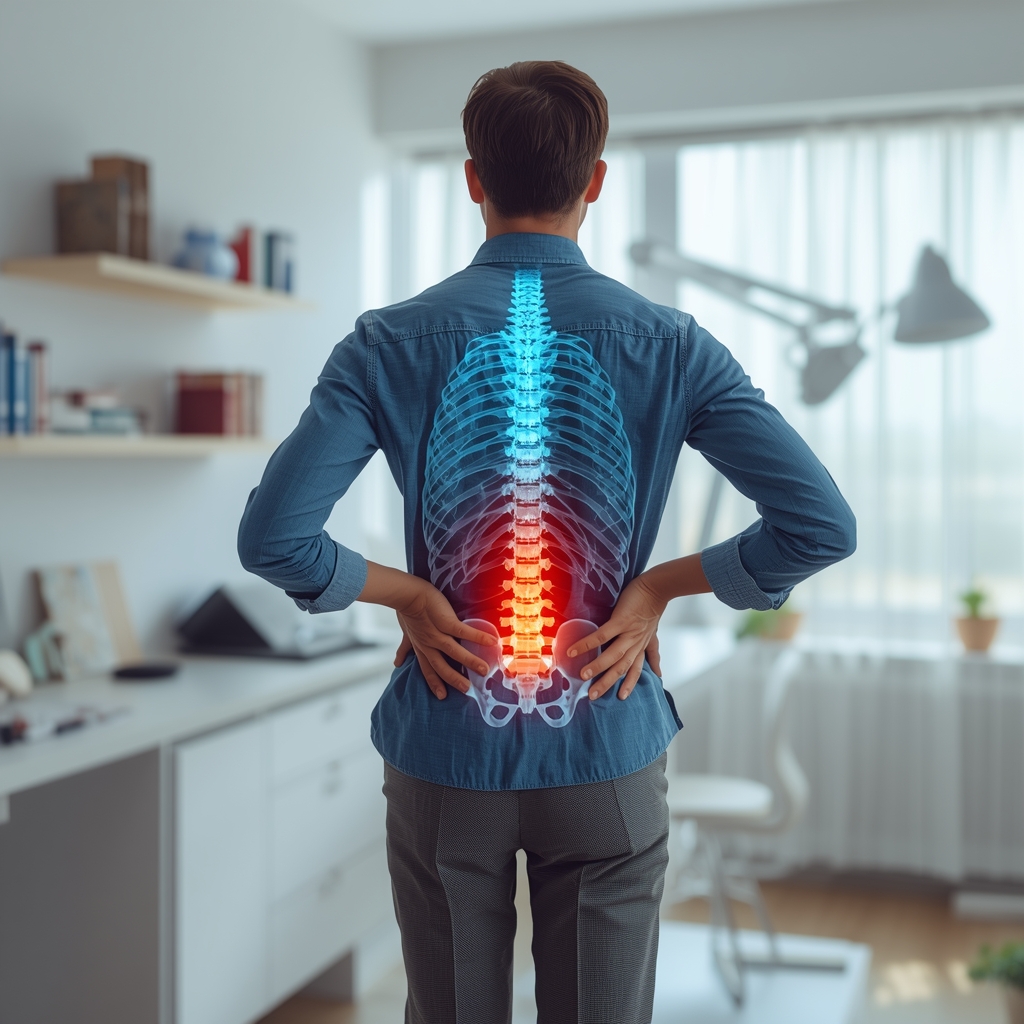
Understanding Lumbar Spinal Stenosis and Non-Surgical Options
Lumbar spinal stenosis occurs when the spinal canal in the lower back narrows, compressing nerves and causing pain, numbness, or weakness in the legs. While surgery is often considered for severe cases, many patients explore non-surgical chiropractic care to manage symptoms and improve mobility. Chiropractic approaches focus on reducing pressure on the spine, enhancing alignment, and promoting natural healing. These methods aim to alleviate discomfort without invasive procedures, offering a complementary or alternative path for those seeking conservative treatment. By addressing the root causes of nerve compression and musculoskeletal imbalances, chiropractors help patients avoid surgery while maintaining an active lifestyle.
Spinal Adjustments and Manipulation Techniques
Spinal adjustments, a cornerstone of chiropractic care, involve manual or instrument-assisted realignment of the vertebrae. For lumbar spinal stenosis, these adjustments can relieve pressure on affected nerves and improve spinal function. By restoring proper joint mobility, chiropractors may reduce inflammation and enhance nerve signaling. Techniques like diversified adjustments or activator methods are tailored to each patient’s needs, ensuring comfort and safety. While adjustments alone may not cure stenosis, they can significantly ease symptoms and support the body’s self-healing mechanisms. Patients often report improved posture, reduced pain, and greater flexibility after regular sessions, making this a valuable non-surgical option.
Decompression Therapy for Spinal Relief
Spinal decompression therapy is a non-invasive technique that gently stretches the spine to create space between vertebrae, reducing pressure on nerves. This approach is particularly beneficial for lumbar spinal stenosis, as it can alleviate pain caused by nerve compression. Using specialized tables or devices, decompression therapy promotes the rehydration of discs and encourages the body’s natural healing processes. Many patients find this method effective for managing chronic lower back pain and associated leg symptoms. When combined with other chiropractic strategies, decompression therapy offers a targeted way to address stenosis without surgical intervention. It is typically part of a broader treatment plan designed to restore spinal health and functionality.
Soft Tissue Therapies and Myofascial Release
Soft tissue therapies, such as massage, myofascial release, and trigger point therapy, address muscle tension and fascial restrictions that may exacerbate spinal stenosis symptoms. Tight muscles in the lower back, hips, or legs can contribute to nerve compression and discomfort. Chiropractors often use these techniques to relax overactive muscles, improve circulation, and enhance joint mobility. By reducing muscular strain, these therapies help the spine function more efficiently and decrease pain. Patients frequently report improved range of motion and reduced stiffness after soft tissue treatments. When integrated with spinal adjustments, these methods create a holistic approach to managing lumbar stenosis and avoiding the need for surgery.
Corrective Exercises and Rehabilitation Programs
Corrective exercises are a vital component of non-surgical care for lumbar spinal stenosis. These tailored programs strengthen core muscles, improve posture, and enhance spinal stability, which can reduce nerve pressure and prevent further degeneration. Chiropractors may recommend stretching routines, low-impact aerobics, or specific movements to support spinal alignment. By addressing muscle imbalances and promoting proper biomechanics, these exercises help patients maintain mobility and reduce pain. Regular participation in a rehabilitation plan can also prevent future flare-ups and improve overall quality of life. When combined with other chiropractic interventions, corrective exercises empower patients to take an active role in their recovery.
Integrating Chiropractic Care with Other Treatments
Non-surgical management of lumbar spinal stenosis often involves a multidisciplinary approach. Chiropractic care can be combined with physical therapy, acupuncture, or lifestyle modifications to maximize benefits. For example, physical therapy may complement spinal adjustments by building strength and flexibility, while acupuncture can ease inflammation and pain. Chiropractors work closely with patients to create personalized plans that address their unique needs. This integrative strategy ensures comprehensive care, reducing reliance on medications or surgery. By fostering collaboration among healthcare providers, patients gain access to a wide range of tools to manage their condition effectively and sustain long-term wellness.













