
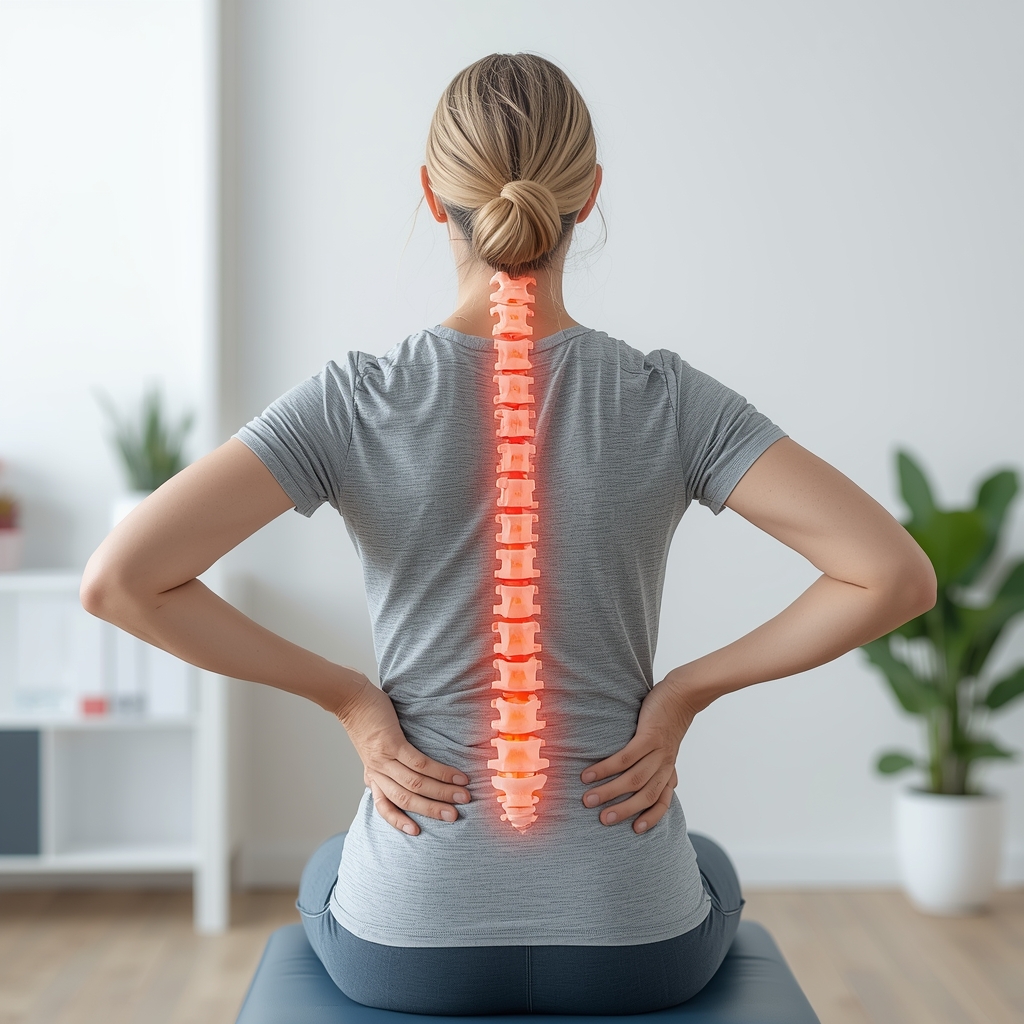
Understanding Adult Scoliosis and Degenerative Changes
Scoliosis in adults often involves spinal curvature alongside degenerative disc disease, which can exacerbate pain and mobility issues. Unlike adolescent scoliosis, adult cases may stem from wear and tear, previous injuries, or untreated childhood curves. Degenerative changes, such as disc dehydration or facet joint arthritis, complicate management. Non-surgical chiropractic care focuses on alleviating symptoms, improving function, and slowing progression. Techniques aim to restore spinal balance, reduce nerve irritation, and enhance overall quality of life. While surgery remains an option for severe cases, many adults seek conservative approaches first. Understanding these conditions helps patients explore tailored strategies with their chiropractor, ensuring safe and effective care.
Spinal Manipulation and Adjustments
Spinal manipulation, a cornerstone of chiropractic care, involves manual adjustments to improve joint mobility and reduce pain. For adults with scoliosis and degenerative changes, gentle adjustments can help realign the spine, easing pressure on nerves and muscles. Techniques like diversified or flexion-distraction adjustments are commonly used to address curvature and degeneration. These methods aim to enhance spinal stability while minimizing discomfort. However, adjustments must be customized to the patient’s condition, avoiding excessive force that could worsen degenerative issues. A chiropractor evaluates each case to determine the safest approach, ensuring the spine’s unique structure is respected. Regular sessions may help maintain mobility and reduce the need for invasive interventions.
Soft Tissue Therapy and Myofascial Release
Soft tissue therapy targets muscles, ligaments, and fascia to relieve tension and improve flexibility. For adults with scoliosis, muscle imbalances around the spine often contribute to pain and stiffness. Techniques like myofascial release or trigger point therapy can alleviate these issues by breaking up adhesions and restoring normal tissue function. This approach complements spinal adjustments by addressing secondary complications of curvature. It also helps reduce inflammation and improve blood flow, promoting healing. Patients may experience reduced pain and better posture after consistent treatment. However, soft tissue work should be integrated with other strategies, as it does not correct spinal alignment itself. A chiropractor can tailor these therapies to the individual’s needs.
Corrective Exercises and Posture Training
Corrective exercises are designed to strengthen weak muscles, stretch tight ones, and improve posture. For adults with scoliosis, these exercises can enhance spinal stability and reduce strain on degenerated discs. Activities like core strengthening, flexibility routines, and balance training are often recommended. Posture training helps patients maintain proper alignment during daily activities, minimizing stress on the spine. A chiropractor may prescribe specific movements to address asymmetries caused by curvature. Consistent practice can lead to long-term improvements in function and comfort. However, exercises must be tailored to the individual’s condition to avoid exacerbating symptoms. Combining these strategies with other chiropractic techniques often yields the best results.
Decompression Therapy and Nerve Relief
Spinal decompression therapy uses mechanical traction to gently stretch the spine, relieving pressure on nerves and discs. This non-surgical approach can be beneficial for adults with scoliosis and degenerative changes, as it may reduce pain caused by nerve compression. By creating space between vertebrae, decompression can alleviate inflammation and promote disc hydration. It is often used alongside other therapies to enhance overall outcomes. Patients typically experience gradual relief over multiple sessions, with fewer side effects than surgery. However, its effectiveness varies, and a chiropractor evaluates whether it suits the individual’s condition. This technique is not a standalone solution but can be a valuable component of a comprehensive care plan.
Integrating Chiropractic Care with Lifestyle Adjustments
Managing adult scoliosis and degenerative changes requires a holistic approach. Chiropractic care works best when combined with lifestyle modifications, such as ergonomic adjustments, weight management, and regular movement. Patients are encouraged to maintain an active lifestyle, avoiding prolonged sitting or poor posture. Nutritional support and stress management may also play a role in reducing inflammation and promoting healing. A chiropractor can guide patients in creating a personalized plan that addresses their unique needs. Regular follow-ups ensure adjustments and therapies remain effective over time. While non-surgical techniques cannot reverse scoliosis, they can significantly improve quality of life when integrated with proactive self-care.














