
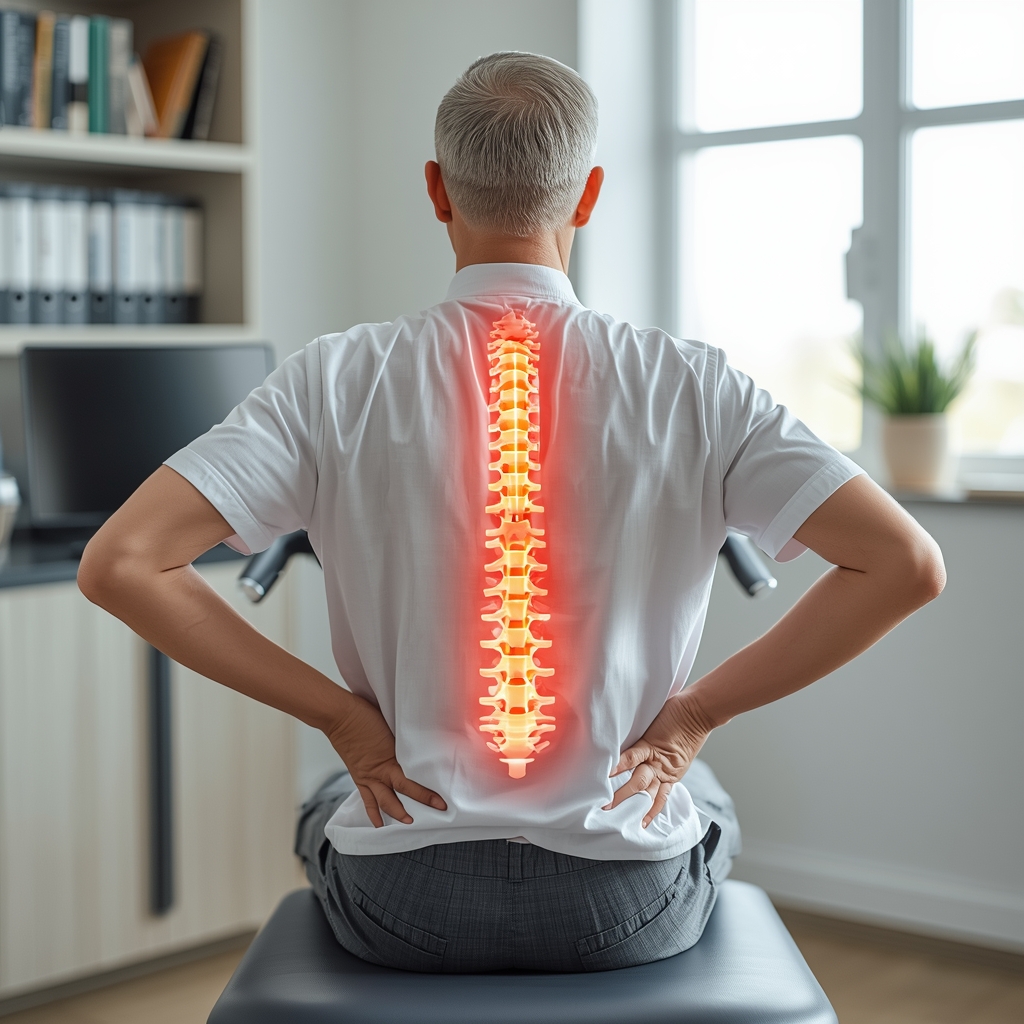
Understanding Spinal Stenosis and the Role of Chiropractic Care
Spinal stenosis occurs when the spinal canal narrows, compressing nerves and causing pain, numbness, or weakness. This condition often affects the neck or lower back and can significantly impact mobility. While medical treatments like medication or surgery are common, chiropractic care offers a non-invasive approach. Chiropractors focus on spinal alignment and function, aiming to reduce pressure on nerves and improve overall spinal health. For individuals with spinal stenosis, chiropractic techniques may help manage symptoms by addressing structural imbalances. However, it’s essential to consult a qualified provider to determine if these methods are suitable for your specific condition. Chiropractic care is typically part of a broader treatment plan, emphasizing personalized, holistic support.
Overview of Spinal Mobilization Techniques
Spinal mobilization involves gentle, controlled movements to improve joint flexibility and reduce pain. Unlike high-velocity adjustments, these techniques use low-force manipulations to encourage proper spinal alignment. Common methods include flexion-distraction, which gently stretches the spine to relieve pressure, and soft tissue therapy to ease muscle tension. Chiropractors may also employ mobilization to enhance range of motion and alleviate nerve compression. These approaches are often used alongside other therapies to address the multifaceted nature of spinal stenosis. By focusing on the mechanics of the spine, mobilization aims to create a more stable and functional structure. Patients should discuss their options with a chiropractor to ensure techniques align with their unique needs and condition severity.
How Spinal Mobilization Alleviates Symptoms
Spinal mobilization can help ease symptoms of stenosis by reducing pressure on affected nerves and improving spinal mobility. When the spine is misaligned, it may contribute to nerve irritation or restricted movement, exacerbating pain. Mobilization techniques work to gently reposition vertebrae, potentially decreasing inflammation and restoring normal function. This can lead to reduced pain, improved circulation, and enhanced nerve signaling. Additionally, by addressing muscle tightness around the spine, these methods may lower overall discomfort. While results vary, many patients report gradual symptom relief with consistent care. It’s important to note that mobilization is not a cure but a supportive strategy to manage symptoms and promote better spinal health under professional guidance.
Tailoring Techniques to Individual Patient Needs
Each patient’s experience with spinal stenosis is unique, requiring chiropractors to customize mobilization approaches. Factors such as the severity of stenosis, overall health, and lifestyle influence treatment plans. For example, a patient with severe nerve compression may benefit from gentler techniques to avoid exacerbating symptoms. Chiropractors assess posture, movement patterns, and pain levels to design a tailored strategy. This may involve combining mobilization with other therapies like exercise or ergonomic adjustments. Open communication between patient and provider is crucial to ensure comfort and effectiveness. Regular evaluations allow for adjustments to the care plan as needs evolve. By prioritizing individualized care, chiropractors help patients navigate their condition with greater confidence and support.
Safety Considerations and Professional Guidance
While spinal mobilization can be beneficial, it’s not without risks. Certain techniques may not be suitable for all patients, particularly those with severe osteoporosis or spinal instability. Chiropractors conduct thorough evaluations to identify contraindications and ensure safe care. Patients should disclose their full medical history, including any prior surgeries or medications. During treatment, providers monitor for adverse reactions, adjusting methods as needed. It’s vital to seek care from licensed professionals who understand the nuances of spinal stenosis. Self-treatment or unqualified practitioners can lead to complications. By emphasizing safety and expertise, chiropractors help patients pursue symptom relief responsibly. Always follow your provider’s recommendations and report any unexpected changes during care.
Integrating Mobilization with Other Treatment Approaches
Chiropractic mobilization often works best when combined with other therapies. Physical therapy, for instance, can strengthen supporting muscles and improve posture, complementing spinal adjustments. Exercise programs tailored to spinal stenosis may enhance flexibility and reduce pain. Chiropractors may also recommend ergonomic changes or lifestyle modifications to prevent symptom flare-ups. In some cases, patients receive care alongside medical professionals to address both structural and systemic factors. This integrative approach ensures a comprehensive strategy for managing stenosis. However, any new treatment should be discussed with a healthcare provider to avoid conflicts. By coordinating care, patients can maximize benefits while minimizing risks, fostering a more balanced path to relief.












