
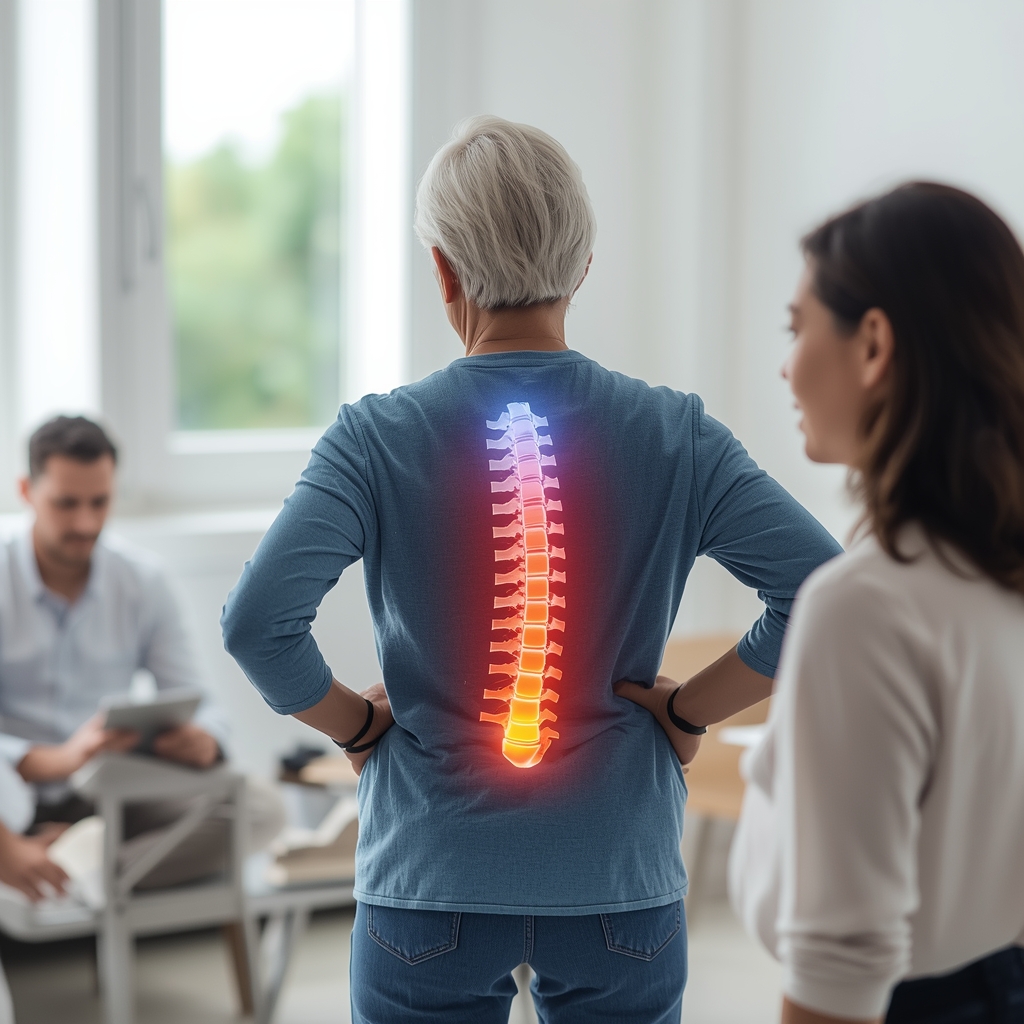
Spinal Adjustments and Manual Manipulation
Spinal adjustments, a cornerstone of chiropractic care, aim to restore proper alignment and mobility to the vertebrae. For older adults with spinal stenosis, these techniques may help alleviate pressure on nerves and improve overall function. Chiropractors use precise, controlled movements to address misalignments that could exacerbate symptoms. While adjustments are generally safe, they are tailored to the patient’s age, condition, and tolerance. Many patients report reduced discomfort and improved range of motion after regular sessions. However, it is essential to consult a qualified chiropractor to ensure the approach is appropriate for individual needs. This method is often part of a broader strategy to manage spinal stenosis without surgery.
Decompression Therapy for Spinal Stenosis
Spinal decompression therapy involves gently stretching the spine to relieve pressure on compressed nerves and discs. This non-surgical approach is often used for conditions like spinal stenosis, where narrowing of the spinal canal causes pain and mobility issues. By creating negative pressure in the discs, decompression may promote healing and reduce inflammation. Sessions typically involve a specialized table or device that carefully adjusts spinal tension. Patients often experience relief from radiating pain and improved flexibility. While not a cure, many find it effective in managing symptoms. As with all treatments, results vary, and a chiropractor can determine if decompression therapy aligns with an individual’s care plan.
Soft Tissue Therapy and Myofascial Release
Soft tissue therapy targets muscles, ligaments, and fascia to reduce tension and improve circulation. For spinal stenosis, this approach can ease muscle spasms and stiffness that contribute to discomfort. Techniques like myofascial release involve sustained pressure to release tight areas, enhancing mobility and reducing pain. Chiropractors may combine this with other methods to address both structural and muscular components of the condition. Older adults often benefit from the gentle yet effective nature of these therapies, which can complement spinal adjustments. It is important to work with a trained professional to ensure techniques are safe and appropriate. This therapy is frequently part of a multi-faceted plan to support long-term symptom management.
Corrective Exercises and Postural Training
Corrective exercises focus on strengthening core muscles, improving flexibility, and correcting posture to reduce strain on the spine. For spinal stenosis, these exercises can help stabilize the spine and enhance overall function. A chiropractor may design a personalized program that includes low-impact movements to avoid aggravating symptoms. Activities like yoga, tai chi, or specific stretching routines are often recommended. By addressing postural imbalances, these exercises may decrease pressure on nerves and discs. Consistency is key, as gradual progress can lead to lasting relief. Patients should always consult their chiropractor before starting new routines to ensure safety and effectiveness.
Lifestyle Modifications and Ergonomic Adjustments
Simple lifestyle changes can significantly impact spinal stenosis symptoms. Ergonomic adjustments, such as using supportive chairs or modifying workspaces, reduce strain on the back. Regular, gentle movement—like walking or swimming—promotes circulation and prevents stiffness. Patients are encouraged to maintain a healthy weight to minimize pressure on the spine. Sleep posture also plays a role; using supportive pillows or mattresses can ease discomfort. Chiropractors often guide patients on daily habits that complement their treatments. While these modifications are not a substitute for professional care, they support overall spinal health and may enhance the effectiveness of other therapies.
Integrating Chiropractic with Other Therapies
Chiropractic care often works best when combined with other non-surgical approaches. Physical therapy, for example, can strengthen muscles and improve mobility, while acupuncture may help manage pain. Chiropractors may also recommend heat/cold therapy or massage to address specific symptoms. A multidisciplinary plan ensures a holistic approach to managing spinal stenosis. It is crucial to communicate with all healthcare providers to coordinate care effectively. Patients should discuss any additional therapies with their chiropractor to avoid conflicts or unnecessary risks. This integrative strategy emphasizes personalized care, helping older adults achieve better outcomes and quality of life.













