
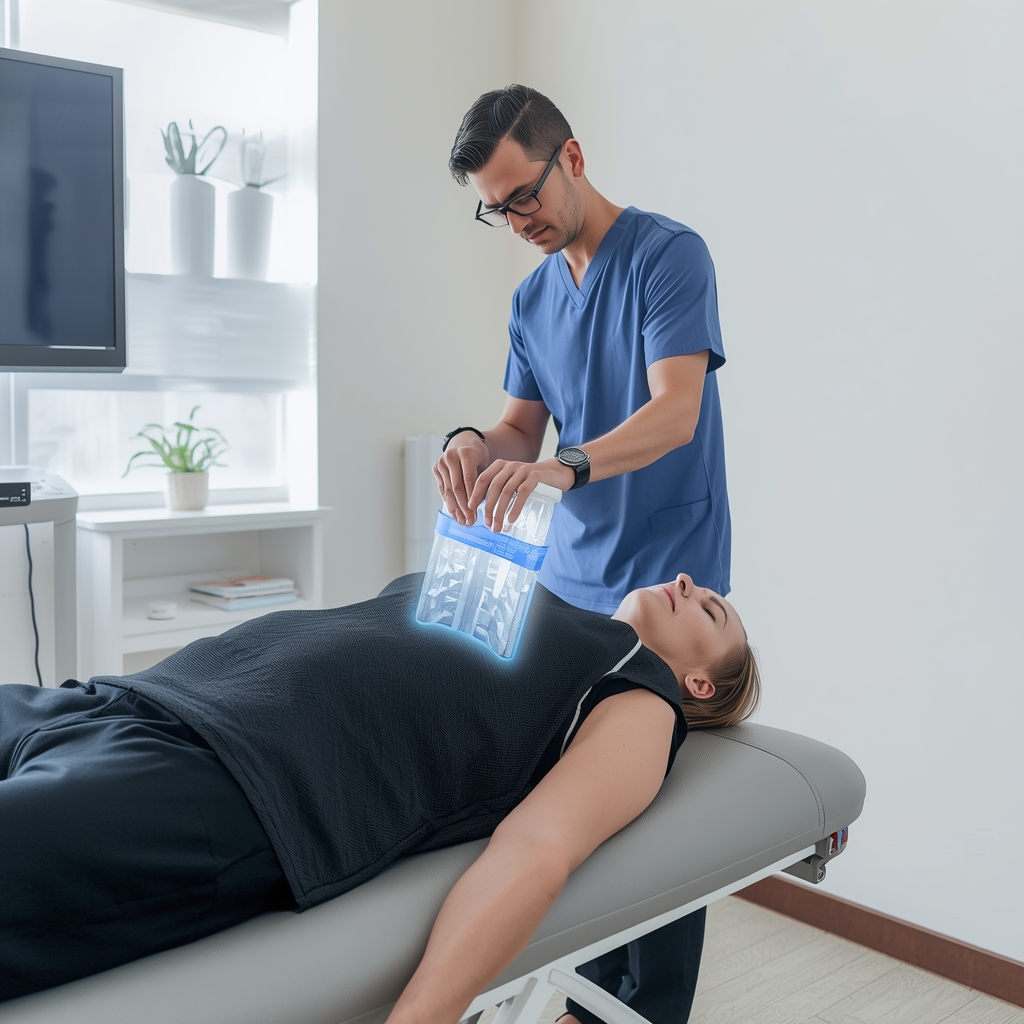
Evolution of Ultrasound Therapy in Musculoskeletal Care
Ultrasound therapy has evolved significantly, offering non-invasive solutions for chronic muscle strains. Modern devices now use higher frequencies and advanced waveforms to target deeper tissues more effectively. These improvements enhance collagen production and reduce inflammation, promoting faster recovery. Clinicians can customize treatment parameters based on patient needs, ensuring optimal outcomes. While the technology continues to advance, its core principle remains the same: using sound waves to stimulate healing. Patients often experience reduced pain and improved mobility, making it a popular choice for long-term management. However, results vary, and it’s essential to consult a qualified provider to determine its suitability for individual cases.
Integration with Real-Time Imaging Technologies
Recent innovations pair ultrasound therapy with real-time imaging, such as ultrasound-guided systems. This combination allows practitioners to visualize soft tissues during treatment, ensuring precise targeting of affected areas. By monitoring tissue response dynamically, providers can adjust settings for maximum efficacy. This approach minimizes unnecessary exposure to healthy tissues and enhances treatment accuracy. Patients benefit from more personalized care, as imaging helps identify specific issues like scar tissue or muscle tears. While still emerging, this integration represents a major step forward in precision medicine. As technology advances, these systems may become more accessible, further improving outcomes for chronic strain management.
Combination Therapies for Enhanced Results
Ultrasound therapy is increasingly used alongside other treatments to address chronic muscle strains comprehensively. For example, combining it with physical therapy or dry needling can amplify pain relief and functional recovery. Some practitioners integrate it with heat or cold therapy to manage inflammation and improve circulation. These multimodal approaches target multiple aspects of musculoskeletal health, from tissue repair to nerve function. While research on synergistic effects is ongoing, many patients report faster progress when therapies are combined. It’s crucial to work with a chiropractor to design a tailored plan, as individual needs vary. This collaborative strategy reflects a growing trend toward holistic, patient-centered care.
Advancements in Portable and Home-Based Devices
Portable ultrasound devices are becoming more prevalent, enabling patients to continue therapy outside clinical settings. These handheld units, often guided by healthcare professionals, allow for consistent treatment of chronic strains. While convenience is a key advantage, proper usage remains critical to avoid misuse. Some devices feature automated settings, reducing the risk of incorrect application. However, they should not replace professional evaluations. Home-based therapy can complement in-office treatments, supporting long-term recovery. As technology evolves, these tools may become more sophisticated, offering features like data tracking or AI-driven adjustments. Patients should always consult their chiropractor before using such devices to ensure safety and effectiveness.
Focus on Patient-Specific Treatment Protocols
Modern ultrasound therapy emphasizes individualized care, moving away from one-size-fits-all approaches. Providers now consider factors like muscle type, injury severity, and patient response when designing treatment plans. Advanced systems allow for adjustable parameters, such as intensity and duration, to suit specific needs. This customization can lead to better outcomes and reduced recovery times. Research suggests that tailored protocols may enhance tissue repair and minimize side effects. However, the effectiveness of these approaches depends on the provider’s expertise. Patients should discuss their unique circumstances with a chiropractor to determine the best strategy. This shift toward personalization aligns with broader trends in precision healthcare.
Future Directions and Research Opportunities
Future advancements in ultrasound therapy may include AI-driven systems that analyze tissue responses in real time, optimizing treatment on the fly. Researchers are also exploring its potential in regenerative medicine, such as stimulating stem cell activity. While promising, these developments require further study to validate safety and efficacy. Clinical trials are ongoing to compare ultrasound with other modalities, aiming to establish best practices. As the evidence base grows, ultrasound therapy may become even more integral to chronic strain management. Patients and providers should stay informed about emerging technologies and consult experts to navigate these innovations responsibly.













