
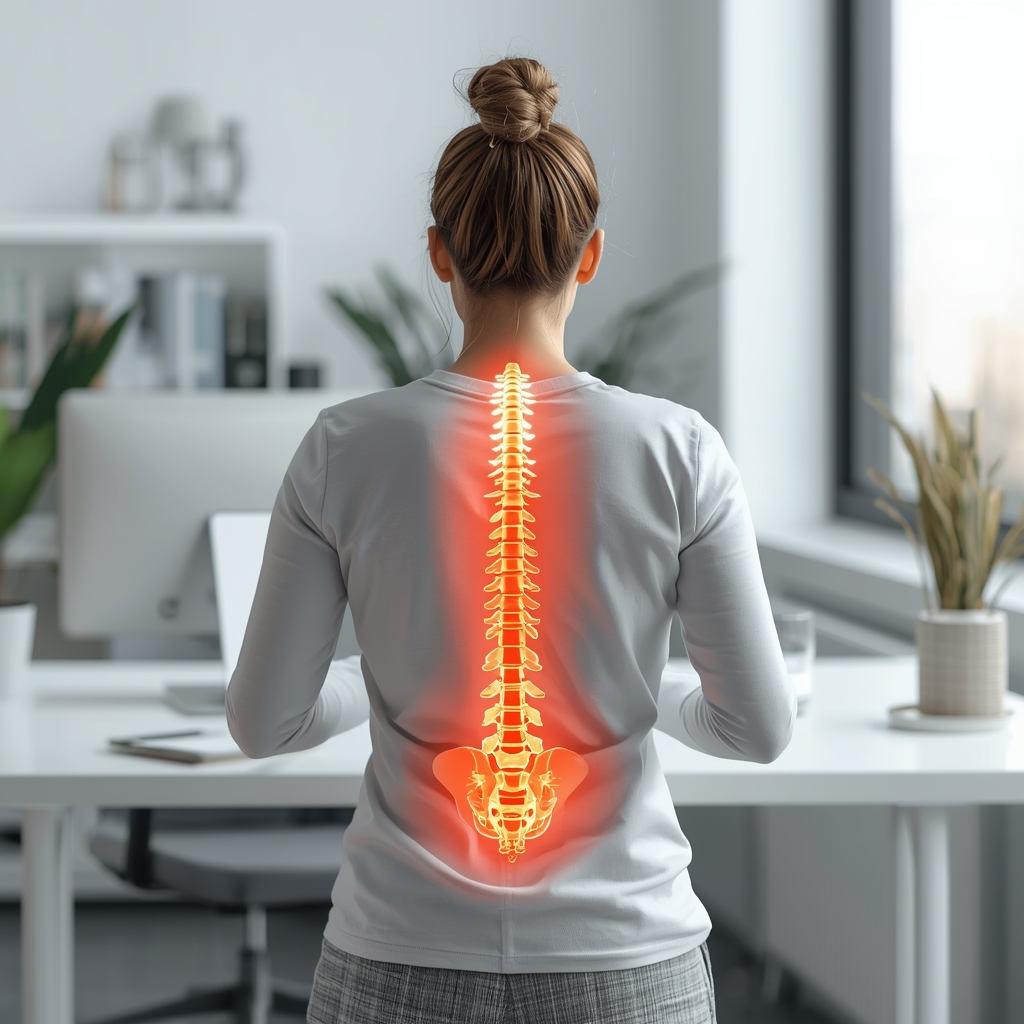
Understanding the Risks of Repetitive Motion Jobs
Repetitive motion jobs, such as those in manufacturing, data entry, or assembly lines, often lead to musculoskeletal injuries due to constant strain on the same muscle groups and joints. Common issues include carpal tunnel syndrome, tendonitis, and lower back pain. These injuries can develop gradually, making them easy to overlook until they become severe. The body’s natural response to repetitive stress is to compensate, which may lead to poor posture or altered movement patterns. Over time, this compensation can create new imbalances, increasing the risk of chronic pain or injury. Preventive measures, including ergonomic adjustments, are essential to mitigate these risks. By addressing workplace design and movement habits early, individuals can reduce discomfort and maintain long-term mobility. Chiropractic care complements these efforts by identifying and correcting misalignments that may contribute to strain. Understanding these risks is the first step in creating a safer, more comfortable work environment.
Optimizing Workstation Ergonomics
A well-designed workstation is critical for preventing injuries in repetitive motion jobs. Start by adjusting your chair to support the natural curve of your spine, with feet flat on the floor and knees at a 90-degree angle. Position your monitor at eye level to avoid neck strain, and keep your keyboard and mouse within easy reach to minimize reaching. Wrist rests can help maintain a neutral hand position, reducing the risk of carpal tunnel syndrome. For standing workstations, ensure the surface height allows your arms to bend slightly at the elbows. Proper lighting is also important to reduce eye strain and prevent slouching. Regularly assess your setup to ensure it aligns with your body’s needs. Small adjustments, like using an ergonomic chair or a document holder, can significantly reduce physical stress. These changes not only prevent injuries but also improve overall productivity and comfort during long work hours.
Incorporating Movement and Breaks
Even with an ergonomic setup, prolonged repetition without movement can still cause strain. Taking regular breaks to stretch and move is essential for maintaining muscle flexibility and circulation. The 20-20-20 rule—pausing every 20 minutes to look 20 feet away for 20 seconds—helps reduce eye and neck strain. For physical tasks, short breaks to walk, roll shoulders, or perform gentle stretches can alleviate tension. Incorporating micro-movements, such as shifting positions or alternating hand use, prevents overuse of specific muscles. Employers can encourage these practices by promoting scheduled breaks or providing reminders. Employees should also take initiative by setting alarms or using apps to track movement. Consistent movement reduces the cumulative stress of repetitive tasks, lowering the risk of injuries like tendonitis or muscle fatigue. Combining these habits with ergonomic adjustments creates a proactive approach to workplace health.
Adjusting Tools and Equipment
The tools and equipment used in repetitive motion jobs play a significant role in injury prevention. Ergonomic tools, such as padded gloves, adjustable wrenches, or ergonomic keyboards, reduce the force needed for tasks and minimize hand and wrist strain. For jobs involving lifting, using equipment like carts or mechanical lifts decreases the risk of back injuries. Footrests or anti-fatigue mats can ease pressure on the lower back and legs during prolonged standing. Ensuring tools are the right size and weight for the task prevents unnecessary strain on joints and muscles. Regular maintenance of equipment also prevents unexpected stress, such as a worn-out tool requiring more effort to use. Employers should invest in quality, ergonomic tools and provide training on their proper use. Individuals can advocate for these adjustments by discussing needs with supervisors. Simple changes to tools and equipment can make a substantial difference in long-term comfort and injury prevention.
Improving Posture and Body Mechanics
Poor posture and improper body mechanics are major contributors to injuries in repetitive motion jobs. Maintaining an upright posture with shoulders back and chest open reduces strain on the neck, shoulders, and back. When lifting objects, bend at the knees rather than the waist to protect the spine. For tasks requiring repetitive reaching or twisting, alternating sides or using a step stool can prevent overuse injuries. Awareness of how the body moves during work tasks helps identify harmful patterns. Chiropractors can assess posture and provide guidance on corrective exercises or adjustments. Strengthening core muscles through regular exercise also supports better posture and reduces injury risk. By prioritizing proper body mechanics, individuals can minimize the physical toll of repetitive work. These habits, when combined with ergonomic adjustments, create a comprehensive approach to workplace wellness.
The Role of Chiropractic Care in Injury Prevention
Chiropractic care plays a vital role in preventing workplace injuries by addressing musculoskeletal imbalances before they escalate. Regular adjustments can correct spinal misalignments that contribute to poor posture or restricted movement, reducing the risk of strain. Chiropractors also evaluate how repetitive motions affect the body, offering personalized recommendations for ergonomic improvements. For example, they may suggest specific stretches or exercises to strengthen vulnerable areas. In cases where injuries have already occurred, chiropractic treatment can accelerate recovery and prevent long-term complications. Preventive care also includes educating patients on proper body mechanics and work habits. By integrating chiropractic care into a wellness routine, individuals can enhance their resilience to workplace demands. Employers may benefit from offering on-site chiropractic services or partnerships with practitioners to support employee health. Proactive chiropractic involvement fosters a safer, more productive work environment.















