
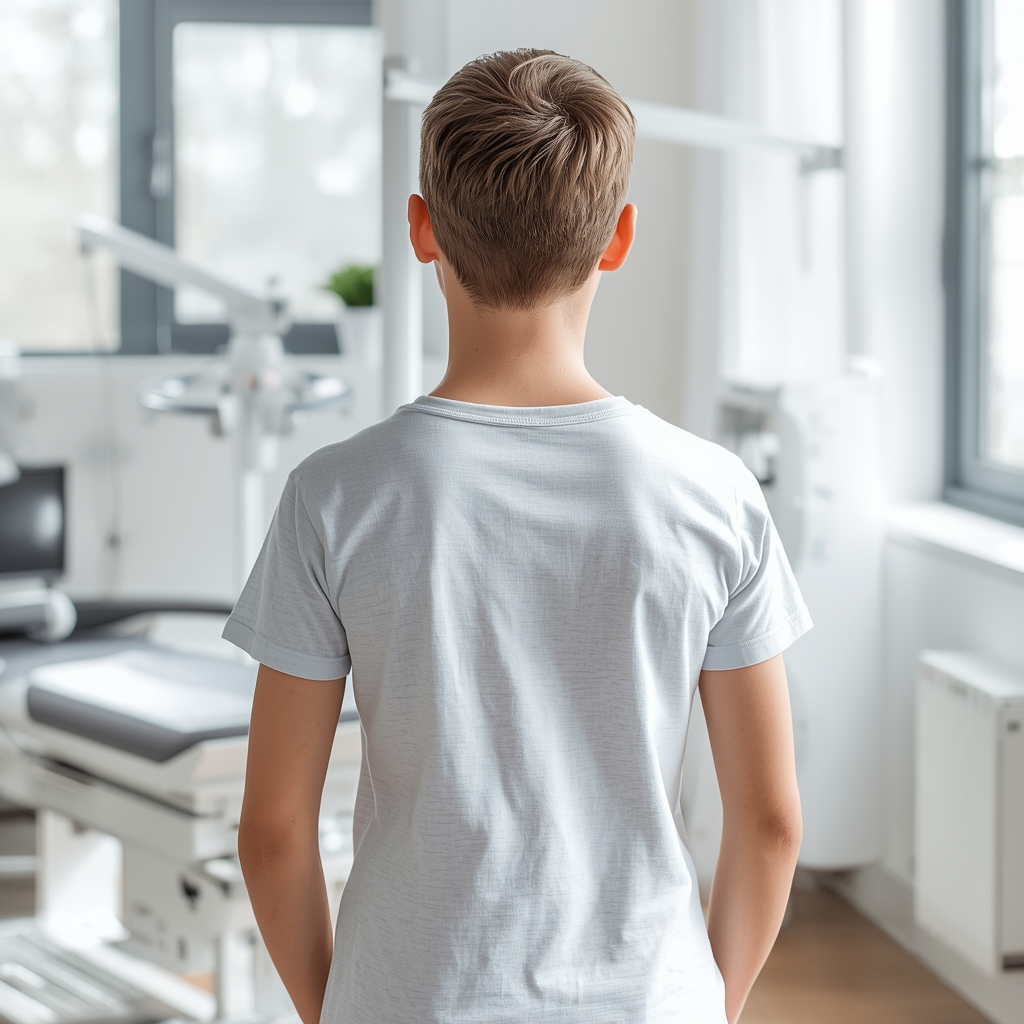
Understanding Scoliosis in Adolescents
Scoliosis, characterized by an abnormal lateral curvature of the spine, affects approximately 2-3% of adolescents. While mild to moderate cases often don’t require surgery, they still demand proactive management to prevent progression. Non-surgical chiropractic approaches focus on improving spinal alignment, reducing discomfort, and supporting musculoskeletal development. These techniques are particularly appealing for younger patients, as they emphasize natural, drug-free interventions. However, it’s crucial to distinguish between scoliosis types—idiopathic, congenital, or neuromuscular—as treatment strategies vary. For adolescents, early intervention is key, as their spines are still growing and more responsive to corrective measures. Chiropractors often collaborate with orthopedic specialists to ensure a comprehensive care plan, prioritizing the patient’s comfort and long-term spinal health.
Non-Surgical Chiropractic Techniques
Chiropractors employ a range of non-surgical methods to address mild to moderate scoliosis in adolescents. Spinal adjustments, or manipulations, aim to restore proper alignment and alleviate nerve pressure. These are often combined with corrective exercises designed to strengthen core muscles and improve posture. Soft tissue therapies, such as massage or myofascial release, help reduce muscle tension that may exacerbate spinal curvature. Some practitioners use instrument-assisted techniques, like the Activator method, for gentler adjustments. Additionally, posture correction and ergonomic guidance play a role in managing scoliosis. While these approaches don’t reverse curvature, they can enhance mobility, reduce pain, and support the body’s natural healing processes. Patients and families should work closely with a licensed chiropractor to tailor these techniques to the individual’s specific needs and spinal condition.
Bracing as a Traditional Approach
Bracing remains a standard non-surgical treatment for adolescents with moderate scoliosis, particularly when the curve measures between 25-45 degrees. The goal of bracing is to prevent further progression of the curvature during the child’s growth phase. Custom-fitted braces, such as the Boston or Milwaukee types, are typically worn for 16-23 hours daily, with adjustments made as the spine develops. While bracing can be effective in many cases, it may cause discomfort, skin irritation, or psychological stress due to its visibility and restrictions on movement. Compliance is critical, as inconsistent use reduces efficacy. Braces do not correct existing curvature but act as a preventive measure. For some patients, bracing is a temporary solution, while others may require it until skeletal maturity. It’s often used alongside physical therapy or chiropractic care to maximize outcomes.
Comparing Techniques and Bracing
Non-surgical chiropractic techniques and bracing both aim to manage scoliosis without surgery, but they differ in approach and outcomes. Bracing focuses on halting curvature progression through external support, while chiropractic care addresses underlying musculoskeletal imbalances. Studies suggest bracing is most effective when combined with exercises that strengthen spinal stabilizers. Chiropractic methods, though less standardized, emphasize holistic support for the body’s natural alignment. Some research indicates that combined approaches may yield better results than either method alone. However, bracing has more extensive clinical data backing its use, whereas chiropractic techniques require further large-scale studies. Both options have potential side effects—bracing can limit mobility, while chiropractic adjustments may cause temporary soreness. The choice often depends on the patient’s curve severity, growth stage, and personal preferences.
The Role of Personalized Care
Every adolescent’s scoliosis is unique, necessitating a tailored treatment plan. A chiropractor will evaluate the curve’s severity, location, and the patient’s overall health before recommending interventions. For example, a child with a mild thoracic curve may benefit from specific exercises and adjustments, while someone with a more complex pattern might need a combination of therapies. Regular monitoring is essential to track progress and adjust strategies as needed. Families should be aware that no single approach works for everyone, and open communication with healthcare providers is vital. Chiropractors often collaborate with orthopedic specialists to ensure a cohesive plan, avoiding conflicting treatments. Ultimately, the goal is to support the adolescent’s physical development while minimizing discomfort and long-term complications.
Conclusion
Managing mild to moderate scoliosis in adolescents involves a multifaceted approach, with non-surgical chiropractic techniques and bracing offering distinct benefits. While bracing remains a widely accepted method for preventing progression, chiropractic care provides complementary support through alignment, exercise, and soft tissue work. Both options require commitment and professional guidance, with the best outcomes achieved through personalized, evidence-based strategies. Families should consult with qualified healthcare providers to explore their options and make informed decisions. By combining the strengths of these approaches, adolescents can maintain better spinal health and quality of life during critical growth years.














