
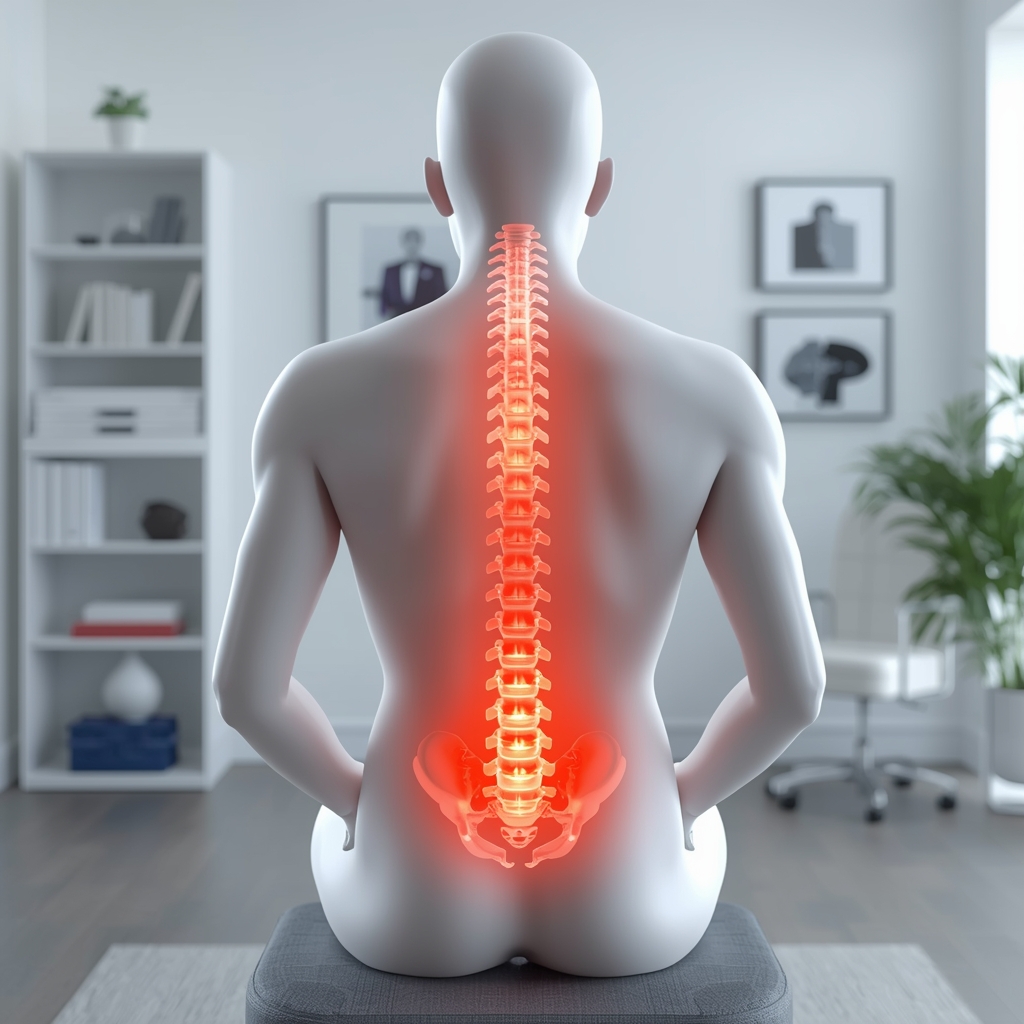
Anatomy of the Lumbar Spine
The lumbar spine consists of five vertebrae (L1-L5) stacked to provide structural support and flexibility. Each vertebra is separated by intervertebral discs, which act as shock absorbers and allow movement. The spinal canal within these vertebrae protects the spinal cord, while nerve roots branch out through openings between the bones. Facet joints, located on the back of each vertebra, enable bending and twisting motions. Ligaments and muscles stabilize the spine, but repetitive strain or poor posture can compromise these structures. The lumbar region bears significant weight, making it vulnerable to wear and tear. Understanding this anatomy helps identify which components may contribute to chronic lower back pain, guiding targeted chiropractic care.
Common Structures Involved in Chronic Lower Back Pain
Chronic lower back pain often stems from issues in intervertebral discs, facet joints, or the sacroiliac joints. Herniated or bulging discs can press on nerves, causing radiating pain. Facet joint dysfunction, marked by inflammation or stiffness, limits mobility and triggers localized discomfort. The sacroiliac joints, connecting the spine to the pelvis, may become misaligned, leading to instability. Nerve roots exiting the spinal canal can also be irritated by misalignments, resulting in conditions like sciatica. Additionally, degenerative changes in the spine, such as osteoarthritis, may contribute to persistent pain. Identifying the specific structures involved is critical for developing effective treatment plans that address the root causes rather than just symptoms.
Role of Nervous System in Lower Back Pain
The nervous system plays a central role in lower back pain, as spinal nerves transmit signals between the body and brain. When spinal structures like discs or joints are compromised, nerve irritation can occur, leading to pain, numbness, or weakness. For example, a herniated disc may compress a nerve root, causing sciatica—a sharp, shooting pain down the leg. Chronic misalignments can also disrupt normal nerve function, contributing to ongoing discomfort. Chiropractors assess nerve pathways to identify dysfunctions, using adjustments to restore proper alignment and reduce pressure on nerves. By addressing these neurological components, chiropractic care aims to alleviate pain and improve overall spinal health, highlighting the interconnected nature of the musculoskeletal and nervous systems.
Chiropractic Adjustments for Spinal Structures
Chiropractic adjustments involve precise manual or instrument-assisted techniques to realign the spine and relieve pressure on affected structures. For instance, spinal manipulation can correct vertebral subluxations—misalignments that interfere with nerve function. Targeted adjustments to the lumbar vertebrae may reduce disc compression or ease facet joint stiffness. Techniques like the diversified method use controlled thrusts, while others, such as the activator, employ gentle tools to avoid excessive force. These adjustments aim to restore proper biomechanics, reduce inflammation, and promote healing. By focusing on specific areas of dysfunction, chiropractors help the body self-regulate and alleviate chronic lower back pain. The effectiveness of these interventions depends on accurate diagnosis and tailored approaches to each patient’s unique condition.
Precision Techniques in Chiropractic Care
Chiropractors use specialized techniques to address specific spinal structures with precision. The flexion-distraction method, for example, gently stretches the spine to decompress discs and relieve nerve pressure. Instrument-assisted techniques, like the Activator, provide controlled, low-force adjustments to target misalignments without manual thrusting. For facet joint issues, mobilization techniques may be employed to improve joint mobility and reduce inflammation. These methods are often combined with soft tissue therapies to address muscle tension contributing to pain. By integrating multiple approaches, chiropractors create comprehensive treatment plans that tackle both structural and functional aspects of chronic lower back pain. The goal is to enhance spinal stability, reduce discomfort, and support long-term wellness through individualized care.
Collaborative Care and Individualized Approaches
Chronic lower back pain requires a personalized approach, as each patient’s condition involves unique structural and functional factors. Chiropractors collaborate with other healthcare providers to ensure comprehensive care, integrating adjustments with exercises, lifestyle modifications, and complementary therapies. For example, a patient with disc-related pain might benefit from spinal decompression combined with core-strengthening exercises. Regular assessments help track progress and adjust treatment plans as needed. Open communication between the patient and provider is essential to address concerns and set realistic goals. While chiropractic care offers effective solutions, it is most successful when tailored to the individual’s needs. This collaborative, patient-centered model emphasizes long-term relief and overall spinal health, empowering individuals to take an active role in their recovery.












