
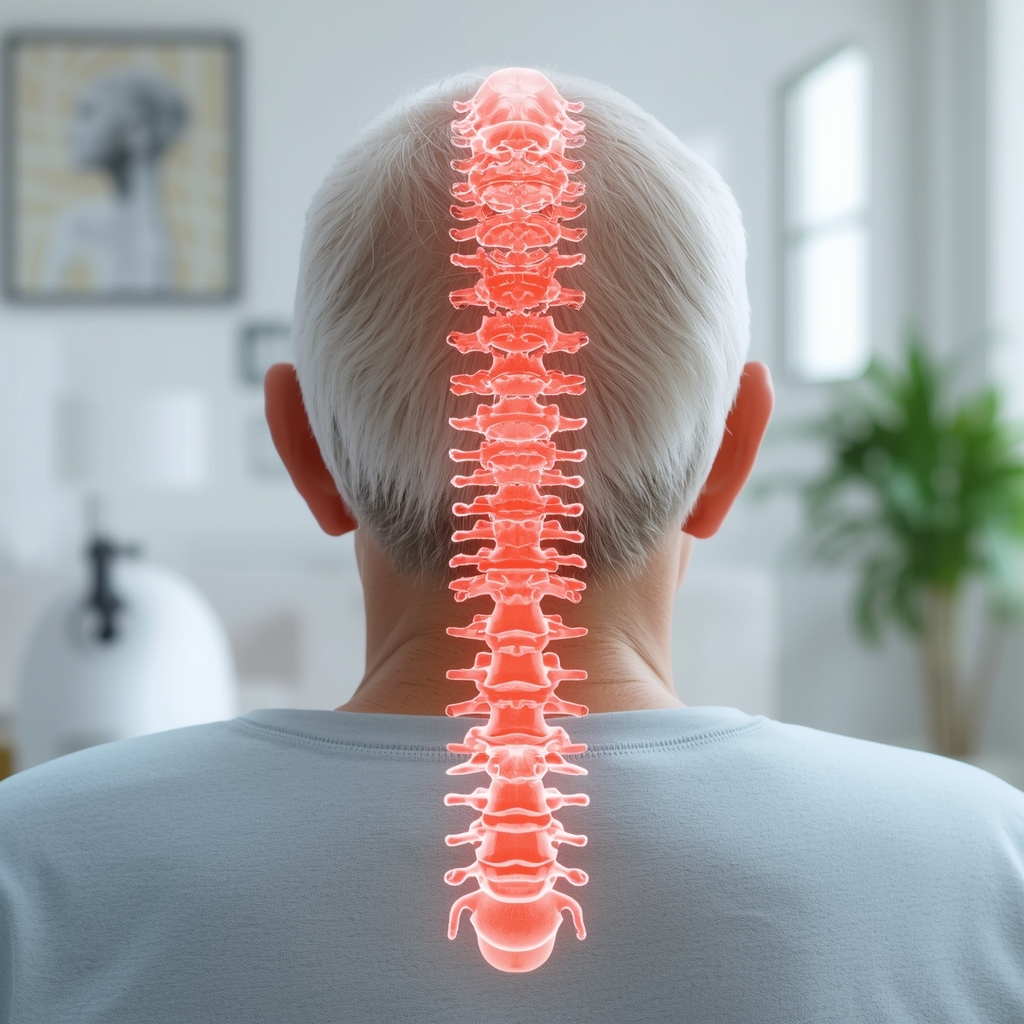
Understanding TMJ Pain and Non-Manipulative Approaches
Temporomandibular joint (TMJ) disorders can cause significant discomfort, including jaw pain, clicking sounds, and difficulty chewing. While traditional chiropractic adjustments focus on spinal alignment, non-manipulative techniques offer alternative strategies to address TMJ-related issues. These methods prioritize soft tissue work, muscle relaxation, and posture correction, which may reduce pressure on the jaw joint. By avoiding direct manipulation of the spine or jaw, they provide a gentler option for patients seeking relief. Understanding these approaches helps individuals explore tailored solutions for their unique needs.
Common Non-Manipulative Techniques for TMJ Relief
Non-manipulative chiropractic techniques for TMJ pain often include soft tissue therapies, myofascial release, and trigger point therapy. These methods target the muscles around the jaw, neck, and shoulders, which can contribute to TMJ dysfunction. For example, myofascial release involves applying sustained pressure to tight areas, while trigger point therapy focuses on relieving knots in the muscles. Additionally, techniques like kinesio taping may support proper jaw alignment. These approaches aim to improve mobility, reduce inflammation, and alleviate pain without the need for spinal adjustments, making them suitable for sensitive patients.
Comparing Non-Manipulative Methods to Traditional Adjustments
Traditional chiropractic adjustments involve manual manipulation of the spine or jaw to restore proper alignment. In contrast, non-manipulative techniques focus on soft tissue and neuromuscular reprogramming. While adjustments may provide immediate relief by correcting structural imbalances, non-manipulative methods address underlying muscle tension and postural issues. For instance, a patient with TMJ pain caused by clenching may benefit more from muscle relaxation techniques than from spinal adjustments. Both approaches have merits, but non-manipulative strategies often appeal to those who prefer a less invasive option or have conditions that make adjustments unsuitable.
How Non-Manipulative Techniques Work Mechanically
Non-manipulative techniques work by targeting the musculature and connective tissues surrounding the TMJ. For example, soft tissue therapy helps break up adhesions in the masseter and temporalis muscles, which can contribute to jaw pain. Myofascial release techniques also improve blood flow and reduce tension in the fascia, the connective tissue that surrounds muscles. By addressing these areas, practitioners can reduce inflammation and restore normal movement patterns. Additionally, some methods incorporate neuromuscular re-education, teaching patients how to avoid habits like teeth grinding. This holistic approach aims to create long-term relief by addressing both symptoms and root causes.
Evidence and Patient Experiences with Non-Manipulative Care
While research on non-manipulative chiropractic techniques for TMJ is limited, many patients report positive outcomes. Studies suggest that soft tissue therapies can effectively reduce muscle tension and improve jaw function. Patient testimonials often highlight reduced pain and increased comfort after treatments like myofascial release or trigger point therapy. However, results may vary depending on the individual’s condition and the practitioner’s expertise. It’s important to note that these techniques are often used alongside other therapies, such as physical therapy or dental appliances. As with any treatment, consulting a qualified chiropractor ensures the best approach for your specific situation.
Choosing the Right Approach for Your TMJ Pain
Deciding between non-manipulative techniques and traditional adjustments depends on your symptoms, preferences, and overall health. Non-manipulative methods are ideal for those seeking a gentler, more targeted approach, especially if they have sensitivities or contraindications for spinal adjustments. Traditional adjustments may still be beneficial for structural misalignments contributing to TMJ issues. A skilled chiropractor can evaluate your condition and recommend a personalized plan, which might combine both approaches. Open communication with your provider ensures you receive the most effective care. Always prioritize professional guidance to avoid self-treatment risks and achieve optimal results.














