
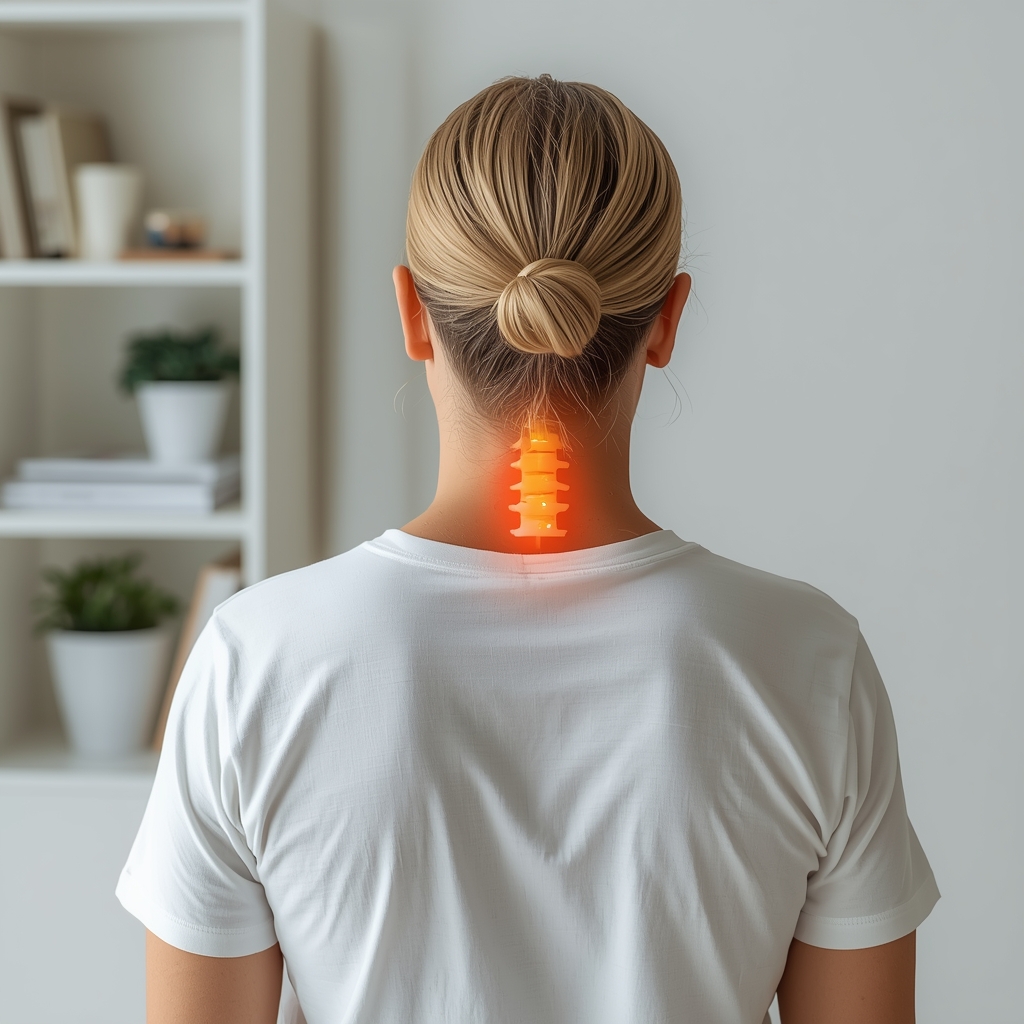
Understanding Cervical Spinal Stenosis
Cervical spinal stenosis occurs when the spinal canal in the neck narrows, potentially compressing the spinal cord or nerve roots. This condition can cause pain, numbness, tingling, or weakness in the arms, hands, or legs. While it often develops gradually due to age-related changes, it may also result from injury or congenital factors. Symptoms vary in severity and can impact daily activities. Understanding the condition is the first step in exploring management strategies. Many individuals seek relief through a combination of lifestyle adjustments and chiropractic care, which may help alleviate discomfort and improve mobility. It is important to consult a qualified healthcare provider to determine the most appropriate approach for individual needs.
Lifestyle Modifications for Symptom Relief
Adopting certain lifestyle changes can complement chiropractic care and reduce the impact of cervical spinal stenosis. Maintaining good posture, especially during prolonged sitting or computer use, helps minimize strain on the neck. Regular, gentle exercise such as walking or swimming can improve circulation and strengthen supporting muscles. Ergonomic adjustments to workspaces, like proper chair height and monitor positioning, also play a role in preventing further discomfort. Avoiding activities that exacerbate symptoms, such as heavy lifting or repetitive neck movements, is advisable. Stress management techniques, including mindfulness or yoga, may also contribute to overall well-being. These modifications, when combined with professional guidance, can create a supportive environment for healing and symptom management.
Chiropractic Adjustments and Their Role
Chiropractic adjustments may help alleviate symptoms of cervical spinal stenosis by addressing misalignments in the spine. A chiropractor uses manual techniques to restore proper joint function, potentially reducing pressure on nerves and the spinal cord. These adjustments are typically performed with precision to ensure safety and effectiveness. While not a cure, they may improve mobility and decrease pain for some patients. Chiropractors often tailor their approach to individual needs, considering the severity of the condition and overall health. It is crucial to seek care from a licensed professional who has experience treating spinal stenosis. Patients should discuss their medical history and current symptoms to ensure adjustments are appropriate and beneficial.
Integrating Lifestyle and Chiropractic Care
Combining lifestyle modifications with chiropractic adjustments can create a comprehensive strategy for managing cervical spinal stenosis. For example, ergonomic changes at work may reduce the frequency of neck strain, while regular chiropractic visits help maintain spinal alignment. Physical therapy exercises recommended by a chiropractor can strengthen neck muscles and improve flexibility. Patients may also benefit from heat or cold therapy to ease acute discomfort. This integrated approach addresses both structural and functional aspects of the condition. However, it is essential to communicate openly with healthcare providers to ensure all interventions are coordinated and safe. A personalized plan, developed in collaboration with a chiropractor, can optimize outcomes and enhance quality of life.
Long-Term Benefits of Combined Approaches
Consistently applying lifestyle changes and chiropractic care may lead to lasting improvements for individuals with cervical spinal stenosis. Over time, these strategies can reduce the frequency and intensity of symptoms, allowing for greater mobility and independence. Regular adjustments may help maintain spinal health, potentially slowing the progression of degenerative changes. Lifestyle habits like exercise and posture correction contribute to overall musculoskeletal resilience. Patients often report increased energy levels and better sleep as their bodies adapt to reduced discomfort. While results vary, many find that a proactive approach helps them manage their condition more effectively. Long-term success depends on adherence to recommendations and ongoing communication with healthcare professionals.
When to Seek Professional Guidance
If symptoms persist or worsen despite self-care efforts, it is important to consult a chiropractor or medical specialist. A healthcare provider can assess the condition’s severity and recommend appropriate interventions. Chiropractors may collaborate with other professionals, such as physical therapists or neurologists, to develop a holistic treatment plan. Patients should seek immediate care if they experience sudden weakness, loss of coordination, or bladder/bowel dysfunction, as these could indicate serious complications. Regular check-ups allow for monitoring progress and adjusting strategies as needed. By working with qualified experts, individuals can make informed decisions about their care. Professional guidance ensures that all approaches are safe, evidence-based, and tailored to individual needs.












