
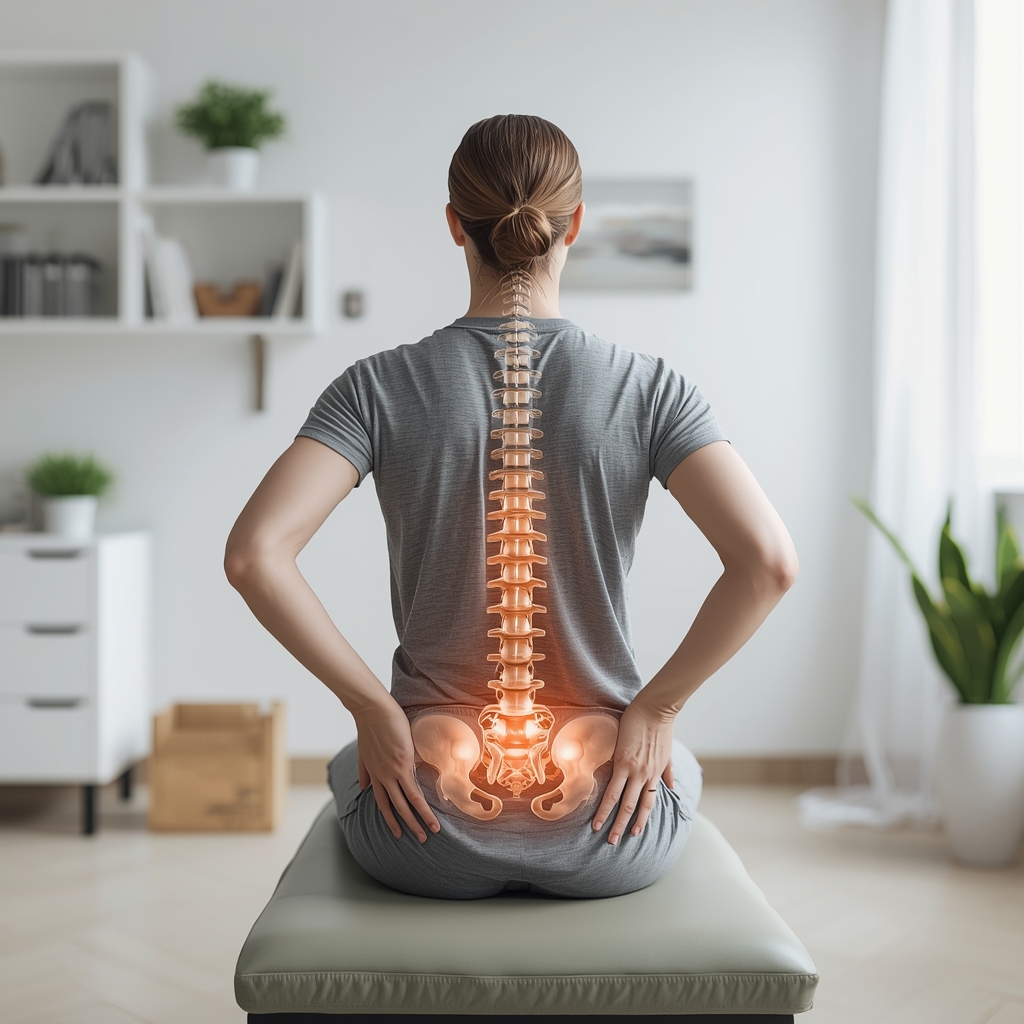
Understanding Chronic Sacroiliac Joint Dysfunction
Chronic sacroiliac (SI) joint dysfunction involves persistent pain in the lower back and pelvis due to misalignment or inflammation of the SI joints. This condition can stem from trauma, pregnancy, degenerative changes, or muscular imbalances. While conventional treatments like medication and physical therapy are common, chiropractic care offers targeted, non-invasive approaches to address the root causes. Chiropractors focus on restoring proper joint function, reducing inflammation, and alleviating nerve pressure to improve mobility and reduce discomfort. Patients often seek chiropractic interventions when traditional methods fail to provide lasting relief, making it essential to explore techniques that align with evidence-based practices and patient needs.
Spinal Manipulation and Joint Adjustments
Spinal manipulation, a cornerstone of chiropractic care, involves precise, controlled forces applied to the SI joints to correct misalignments and restore normal movement. This technique can reduce pain by improving joint mechanics and decreasing nerve irritation. Studies suggest that spinal adjustments may enhance proprioception and muscle coordination, which are critical for long-term stability. For chronic SI joint dysfunction, adjustments are often combined with other therapies to address both structural and functional components. Patients typically experience gradual improvement, with many reporting reduced pain and increased range of motion after several sessions. However, the effectiveness varies, and ongoing communication with a chiropractor is key to tailoring the approach to individual needs.
Soft Tissue Therapy and Myofascial Release
Soft tissue therapy targets the muscles, ligaments, and fascia surrounding the SI joints, which often contribute to dysfunction through tension or trigger points. Techniques like myofascial release, deep tissue massage, and instrument-assisted soft tissue mobilization (IASTM) help alleviate muscle tightness and improve blood flow. By addressing these restrictions, chiropractors can reduce compensatory patterns that strain the SI joints. This approach is particularly beneficial for patients with chronic pain linked to muscular imbalances. When combined with spinal adjustments, soft tissue work enhances overall outcomes by promoting relaxation and preventing recurrence. Patients are often encouraged to engage in regular stretching and self-care routines to maintain these benefits between visits.
Corrective Exercises for Long-Term Stability
Corrective exercises are vital for strengthening the core, glutes, and pelvic stabilizers, which support the SI joints and prevent future dysfunction. Chiropractors may recommend specific movements, such as bridges, bird-dogs, or clamshells, to improve neuromuscular control. These exercises address weaknesses that contribute to joint instability, helping patients maintain alignment during daily activities. Consistency is crucial, as improper form or lack of adherence can hinder progress. Many chiropractors provide personalized exercise programs, emphasizing proper technique and gradual progression. Integrating these routines into a daily schedule empowers patients to take an active role in their recovery and reduces reliance on passive treatments over time.
Patient Education and Self-Management Strategies
Empowering patients with knowledge about their condition is a critical component of long-term care. Chiropractors often educate individuals on posture, body mechanics, and ergonomics to minimize strain on the SI joints. For example, proper lifting techniques and seating habits can prevent exacerbations. Patients may also learn self-myofascial release techniques using foam rollers or massage balls to manage tightness at home. Additionally, stress management practices, such as mindfulness or breathing exercises, can indirectly support recovery by reducing muscle tension. By fostering a proactive approach, chiropractors help patients recognize early warning signs and take timely action to prevent flare-ups.
Maintaining Long-Term Relief Through Ongoing Care
Sustaining relief from chronic SI joint dysfunction often requires periodic chiropractic check-ups and adjustments. Even after symptoms subside, regular visits can detect subtle misalignments before they cause discomfort. Chiropractors may recommend maintenance schedules based on individual factors, such as activity levels or lifestyle demands. Complementing these visits with at-home care, like stretching or low-impact exercise, reinforces stability. Patients should also stay attuned to their bodies, seeking care if new symptoms arise. Open dialogue with a chiropractor ensures that treatment plans evolve with changing needs, promoting lasting wellness and minimizing the risk of recurrence.













