
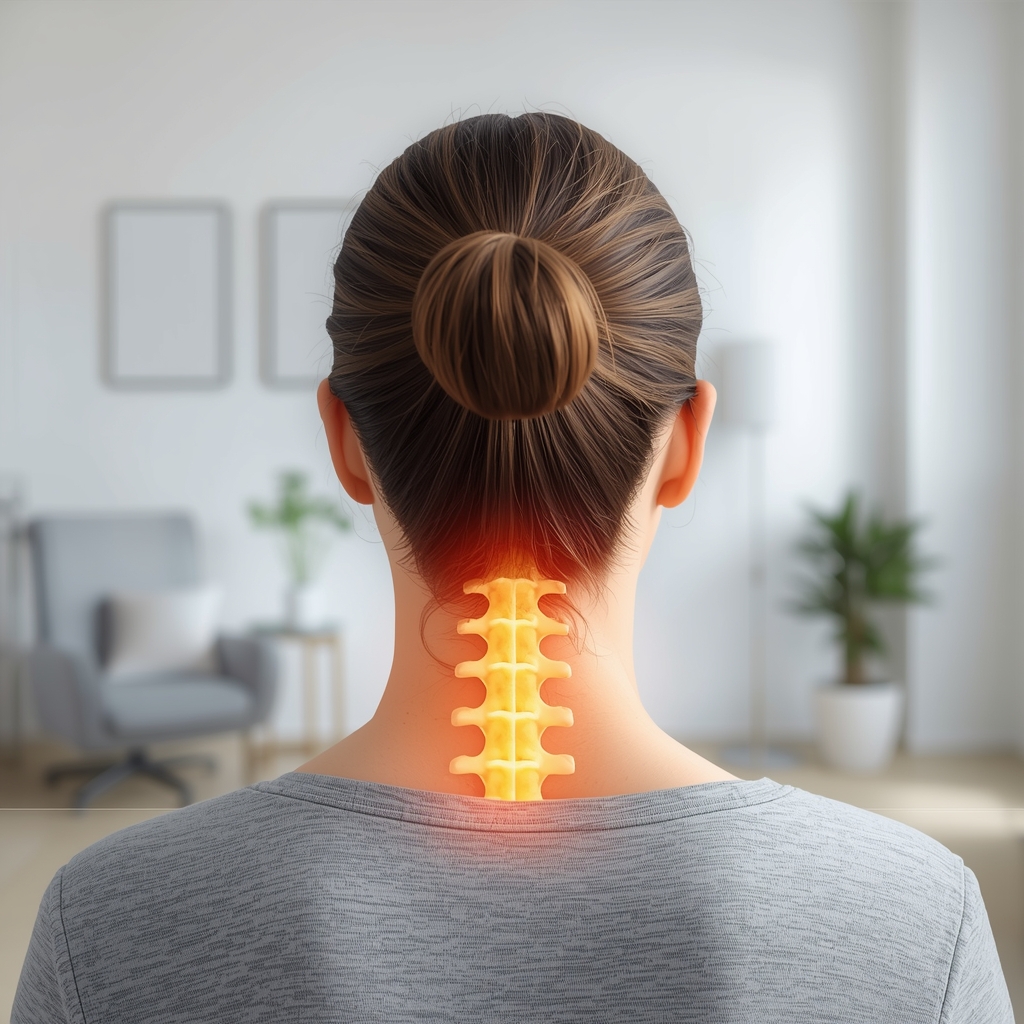
Understanding Herniated Discs in the Cervical Spine
Herniated discs in the cervical spine occur when the soft inner material of a spinal disc protrudes through its outer layer, potentially pressing on nerves. This can cause pain, numbness, or weakness in the neck, shoulders, or arms. Non-surgical chiropractic care focuses on reducing pressure, improving alignment, and promoting natural healing. Techniques vary based on the disc’s location and the patient’s symptoms. While surgery may be considered in severe cases, many individuals find relief through conservative approaches. It’s important to consult a qualified chiropractor to determine the most appropriate strategies for individual needs.
Spinal Manipulation and Adjustments
Spinal manipulation, a cornerstone of chiropractic care, involves manual adjustments to realign the cervical spine. By restoring proper joint function, this technique can alleviate nerve compression and reduce inflammation. Chiropractors use precise, controlled movements to address misalignments (subluxations) that may contribute to disc herniation symptoms. Research suggests that spinal adjustments may improve mobility and decrease pain for some patients. However, the effectiveness can vary, and a chiropractor will tailor the approach to the patient’s condition. This method is often combined with other therapies for optimal results.
Decompression Therapy for Cervical Discs
Cervical decompression therapy uses gentle, mechanical traction to relieve pressure on herniated discs. This non-invasive technique aims to create space between vertebrae, reducing nerve irritation and promoting disc rehydration. Many chiropractors offer this therapy as part of a comprehensive treatment plan. Studies indicate that decompression may help alleviate pain and improve function, though results depend on the disc’s severity and the patient’s overall health. It is typically performed in a series of sessions and is often paired with other interventions like soft tissue work or rehabilitative exercises.
Soft Tissue and Myofascial Therapies
Soft tissue therapies, such as Active Release Technique (ART) or myofascial release, target tight muscles and connective tissue around the cervical spine. These methods can reduce tension that exacerbates disc-related pain and improves range of motion. By addressing muscle imbalances and trigger points, chiropractors help decrease strain on the spine. While not a direct treatment for the disc itself, these therapies support overall spinal health. Patients often report reduced discomfort and better posture after consistent sessions. A chiropractor can recommend the most suitable soft tissue approach based on individual needs.
Corrective Exercises and Posture Training
Chiropractors often prescribe corrective exercises to strengthen the neck and upper back muscles, stabilizing the cervical spine. These may include isometric exercises, stretching routines, or postural retraining. Strengthening the musculature around the discs can reduce pressure and prevent further injury. Patients are also guided on ergonomic adjustments for daily activities, such as sitting posture or computer use. Consistent practice of these exercises can enhance long-term outcomes. However, it’s crucial to follow a chiropractor’s guidance to avoid overexertion or improper form.
When to Seek Professional Guidance
While non-surgical chiropractic care can be effective, it’s essential to work with a licensed professional to ensure safety and appropriateness. A chiropractor will conduct a thorough evaluation, including imaging if needed, to develop a personalized plan. Patients should communicate any changes in symptoms, such as increased pain or neurological issues, promptly. Combining chiropractic care with other treatments, like physical therapy or lifestyle modifications, may enhance results. Always consult a healthcare provider before starting any new treatment to address herniated discs effectively.












