
Understanding ITBS and Its Distinctive Features
Iliotibial band syndrome (ITBS) is a common overuse injury affecting the outer thigh and knee, often linked to repetitive activities like running or cycling. Chiropractors recognize ITBS through its characteristic pain pattern—sharp or burning discomfort on the outer knee or hip that worsens with activity. Differentiating ITBS from other hip pain causes requires careful evaluation of symptom location, intensity, and triggers. For instance, hip bursitis typically presents with deep, aching pain, while nerve-related issues may involve radiating sensations. Chiropractors rely on patient history, physical exams, and movement assessments to identify ITBS’s unique profile, ensuring targeted care.
Diagnostic Process for ITBS
Chiropractors begin by reviewing a patient’s activity levels, injury history, and symptom progression. A physical exam includes palpation of the iliotibial band and hip area to detect tenderness or tightness. Functional tests, such as the Ober’s test, assess band mobility and strain. Imaging like X-rays or MRIs is rarely used unless other conditions are suspected. By combining these methods, chiropractors can rule out fractures, arthritis, or nerve compression. This thorough approach helps distinguish ITBS from hip joint dysfunction, piriformis syndrome, or lumbar spine issues, guiding effective treatment strategies.
Distinguishing ITBS from Other Hip Pain Causes
ITBS pain typically occurs at the hip’s lateral side or just below the knee, worsening during activities that bend the hip or involve repetitive motion. In contrast, hip osteoarthritis may cause stiffness and deep groin pain, while piriformis syndrome often radiates down the leg. Chiropractors evaluate gait patterns, muscle strength, and range of motion to identify contributing factors. For example, weak gluteal muscles or poor foot mechanics can mimic ITBS symptoms. By isolating these differences, chiropractors tailor interventions to address the root cause, whether it’s ITBS, bursitis, or another condition.
Chiropractic Adjustments for ITBS
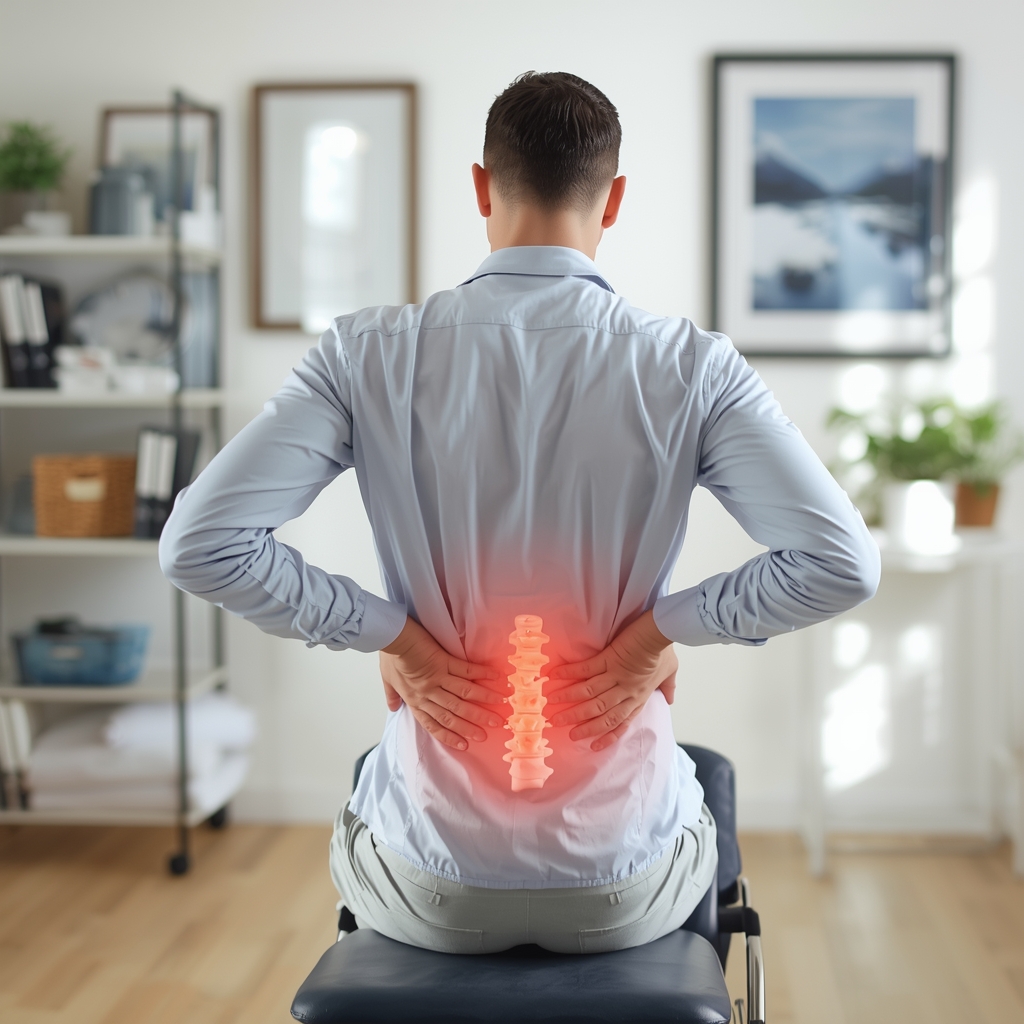
Spinal adjustments are a cornerstone of ITBS treatment, focusing on restoring proper alignment and reducing nerve interference. Chiropractors may perform lumbar or sacral adjustments to improve pelvic stability and alleviate strain on the iliotibial band. Soft tissue techniques like Active Release Technique (ART) help break up adhesions and restore mobility. These adjustments are often paired with stretching and strengthening exercises to address biomechanical imbalances. By combining manual therapies with patient education, chiropractors aim to reduce inflammation, enhance recovery, and prevent recurrence of ITBS symptoms.
Additional Therapies and Patient Guidance
Chiropractors often recommend complementary therapies to support ITBS recovery. These may include ice therapy to reduce inflammation, foam rolling to ease muscle tightness, or kinesiology taping for added support. Patients are advised to modify activities, avoid overtraining, and incorporate low-impact exercises like swimming. Education on proper footwear and gait mechanics also plays a role in long-term management. By addressing lifestyle factors and promoting gradual return to activity, chiropractors help patients achieve lasting relief and reduce the risk of future flare-ups.
When to Seek Professional Care
If hip or knee pain persists despite rest and self-care, consulting a chiropractor is essential. A qualified provider can accurately diagnose ITBS and differentiate it from other conditions through specialized assessments. Chiropractic care offers non-invasive, drug-free solutions tailored to individual needs. Patients should avoid self-diagnosis and instead work with professionals to develop a personalized treatment plan. Early intervention improves outcomes, helping patients return to their activities with reduced pain and enhanced mobility.












