
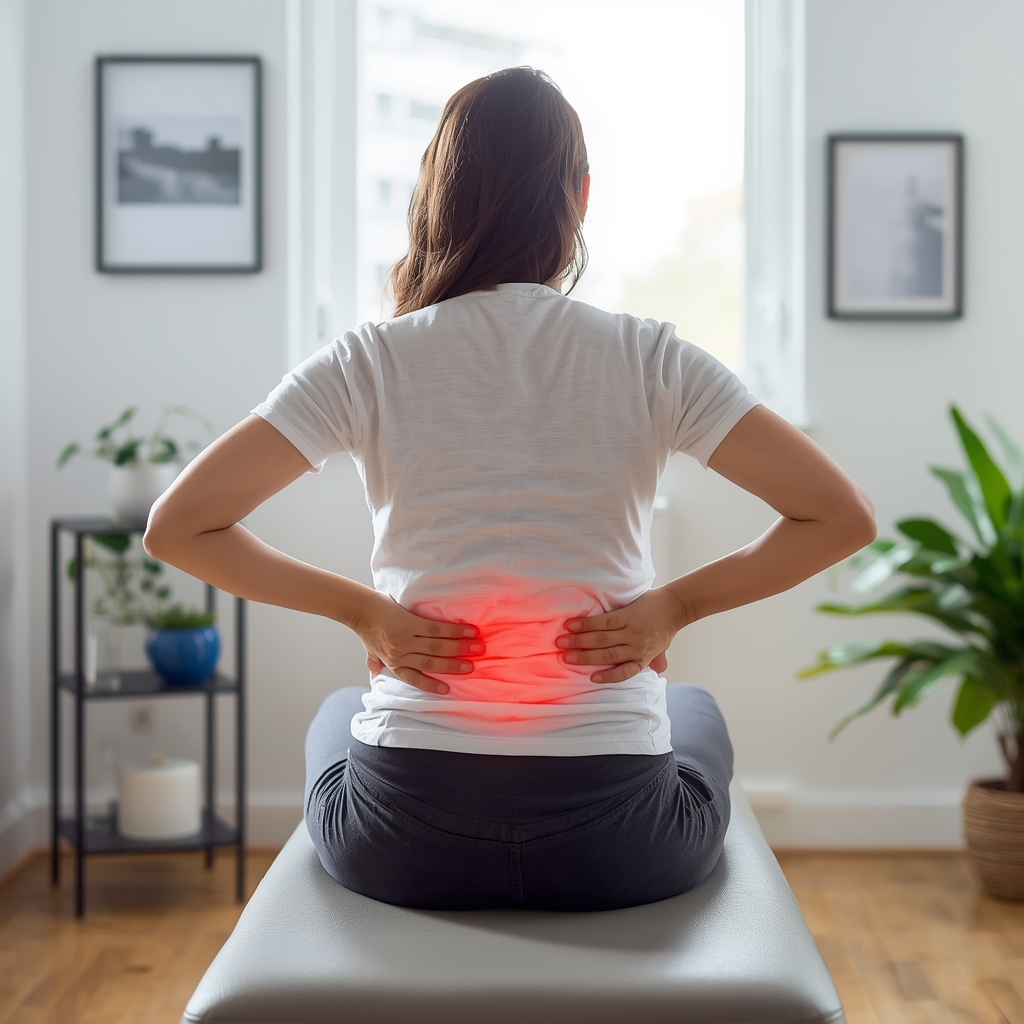
Understanding Hip Pain During Late Pregnancy
Hip pain is common in late pregnancy due to hormonal changes, shifting weight distribution, and increased pressure on the pelvis. The body’s natural alignment shifts to accommodate the growing baby, which can strain muscles, ligaments, and joints. While some discomfort is normal, persistent or severe pain may benefit from chiropractic care. Chiropractors specializing in prenatal care can address these issues through gentle, safe techniques. It’s important to consult a qualified provider who understands the unique needs of pregnant individuals. Avoiding high-impact adjustments and focusing on alignment can help relieve pressure and improve mobility. Always communicate your symptoms and concerns to ensure the care plan is tailored to your comfort and safety.
Safe Adjustments for Pregnancy-Related Hip Pain
Chiropractic adjustments during late pregnancy prioritize gentle, low-force techniques to avoid strain on the body. The Webster Technique, often used in prenatal care, focuses on balancing the pelvis and reducing intrauterine constraint. This method is widely recognized as safe for expectant mothers. Other approaches, such as soft tissue therapy or myofascial release, can address muscle tension contributing to hip pain. Adjustments are typically performed with the patient lying on their side or in a modified position to prevent pressure on the vena cava. These methods aim to restore proper alignment, ease discomfort, and support the body’s natural ability to adapt. Always ensure your chiropractor has experience in prenatal care to minimize risks and maximize benefits.
Positioning Techniques for Comfort and Safety
Proper positioning during chiropractic sessions is critical for both comfort and safety in late pregnancy. Many chiropractors use side-lying positions or specialized pregnancy pillows to support the body’s changing shape. This reduces pressure on the lower back and abdomen while allowing access to the pelvis for adjustments. Some practitioners may also use drop table techniques, which involve a gentle, controlled movement to realign the spine with minimal force. These methods are designed to avoid any direct pressure on the uterus or major blood vessels. Patients are encouraged to communicate their comfort levels throughout the session, ensuring the approach remains safe and effective. Proper positioning not only enhances the adjustment’s effectiveness but also promotes a more relaxed experience.
Addressing Underlying Musculoskeletal Strain
Pregnancy often leads to imbalances in the musculoskeletal system, contributing to hip pain. Chiropractors may use targeted techniques to address these imbalances, such as correcting sacroiliac joint dysfunction or releasing tight hip flexors. These interventions aim to restore proper biomechanics and reduce pain without posing risks to the pregnancy. Soft tissue therapies, like massage or instrument-assisted techniques, can also alleviate muscle tension and improve circulation. It’s essential to focus on non-invasive, evidence-based methods that support the body’s natural healing processes. By addressing the root causes of discomfort, chiropractic care can help pregnant individuals maintain mobility and comfort as their bodies adapt to the demands of late pregnancy.
The Role of Communication and Personalized Care
Every pregnancy is unique, and so are the needs of individuals experiencing hip pain. Open communication with a chiropractor is vital to ensure the care plan aligns with your specific condition and preferences. Discussing symptoms, medical history, and comfort levels allows for a tailored approach that prioritizes safety. Some techniques may be modified based on the stage of pregnancy or individual health factors. Regular check-ins with your provider help monitor progress and make adjustments to the treatment plan as needed. Trusting the expertise of a qualified chiropractor while staying informed about your options empowers you to make decisions that support your well-being and the health of your baby.
When to Seek Professional Guidance
If hip pain persists or worsens during late pregnancy, consulting a chiropractor with prenatal expertise is a proactive step. They can assess your condition and recommend safe, effective interventions to alleviate discomfort. It’s also important to coordinate care with your obstetrician to ensure all approaches align with your overall health plan. Avoid self-treatment or unverified methods, as they may pose risks. Chiropractic care offers a non-invasive option to support your body’s natural balance, but it should always be part of a broader, collaborative approach to prenatal care. By working with qualified professionals, you can navigate pregnancy challenges with greater comfort and confidence.














