
Understanding the Opioid Crisis and Non-Opioid Alternatives
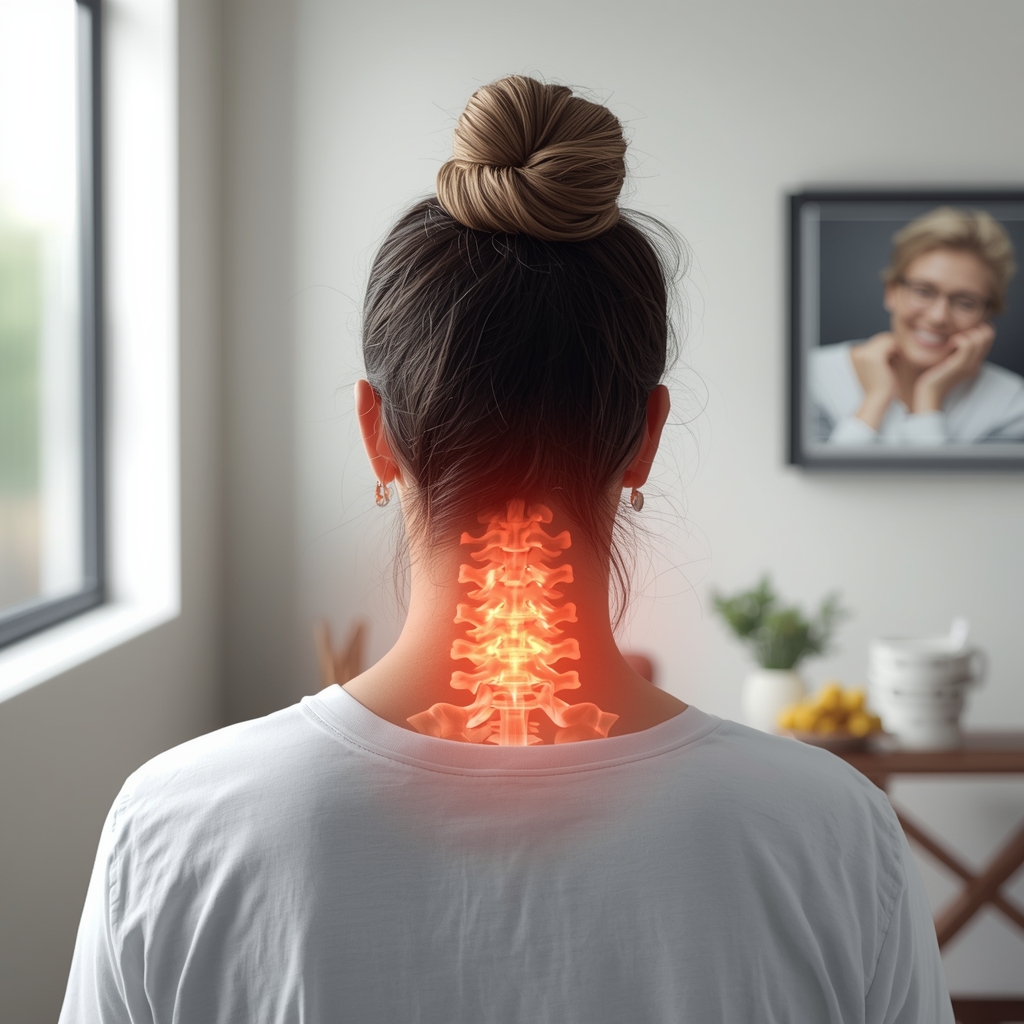
Chronic neck pain affects millions, often leading to reliance on opioids for relief. However, these medications carry risks of addiction, tolerance, and side effects. Non-opioid solutions, like chiropractic care, offer safer, long-term options. By addressing root causes rather than just symptoms, chiropractors help patients reduce pain without medication. This approach aligns with broader public health efforts to minimize opioid use. Patients seeking alternatives can explore evidence-based methods that prioritize holistic wellness. Chiropractic care is increasingly recognized as a viable first-line treatment for musculoskeletal pain, including neck discomfort.
How Chiropractic Care Addresses Neck Pain
Chiropractic care focuses on the musculoskeletal and nervous systems, aiming to restore proper function and alleviate pain. For chronic neck pain, spinal adjustments and manual therapies can reduce inflammation, improve mobility, and relieve pressure on nerves. Misalignments in the cervical spine often contribute to persistent discomfort, and chiropractors use targeted techniques to correct these issues. By enhancing spinal alignment, chiropractic care promotes natural healing and reduces the need for painkillers. This method is particularly effective for conditions like cervicogenic headaches or facet joint dysfunction, offering a drug-free alternative to manage symptoms effectively.
Common Chiropractic Techniques for Neck Pain
Several chiropractic techniques are tailored to treat neck pain, including spinal manipulation, mobilization, and soft tissue therapy. Spinal adjustments realign the vertebrae, reducing nerve irritation and improving range of motion. Mobilization involves gentle, controlled movements to increase joint flexibility. Soft tissue therapies, such as massage or trigger point release, address muscle tension that exacerbates pain. Some practitioners also use instrument-assisted techniques or traction to relieve cervical spine pressure. These methods are often combined for comprehensive care, helping patients achieve lasting relief without opioids. Each approach is customized to the individual’s needs, ensuring safety and effectiveness.
Complementary Therapies and Lifestyle Adjustments
Chiropractic care often integrates complementary therapies to enhance outcomes. Modalities like cold laser therapy, electrical stimulation, or ultrasound may reduce inflammation and accelerate healing. Patients are also guided on ergonomic adjustments, posture correction, and exercises to strengthen neck muscles. Stress management techniques, such as mindfulness or breathing exercises, can further alleviate tension. These strategies work synergistically with chiropractic treatments, addressing both physical and lifestyle factors contributing to pain. By adopting these habits, individuals can minimize recurrence and reduce dependency on medications. A multidisciplinary approach ensures a more sustainable path to pain management.
Benefits of Chiropractic Care Over Opioids
Chiropractic care provides long-term benefits without the risks associated with opioids. Unlike medications that mask pain, chiropractic treatments target underlying issues, promoting natural recovery. Patients often experience improved mobility, reduced inflammation, and enhanced overall function. This approach also avoids the side effects of opioids, such as drowsiness, constipation, or respiratory depression. Additionally, chiropractic care can lower healthcare costs by reducing the need for repeated prescriptions or emergency interventions. Many patients report higher satisfaction with non-invasive, drug-free solutions that support their quality of life. These advantages make chiropractic a compelling alternative for managing chronic neck pain effectively.
Consulting a Chiropractor for Personalized Care
Every individual’s pain experience is unique, requiring a tailored approach. A qualified chiropractor conducts a thorough evaluation to identify the root cause of neck pain and develops a customized treatment plan. This may include adjustments, therapies, and lifestyle recommendations. Open communication with the chiropractor ensures the care aligns with the patient’s goals and preferences. While chiropractic care is generally safe, it’s essential to discuss any existing conditions or concerns. By working with a licensed professional, patients can explore effective, non-opioid solutions that support their health and well-being. Seeking chiropractic care is a proactive step toward sustainable pain management.














