
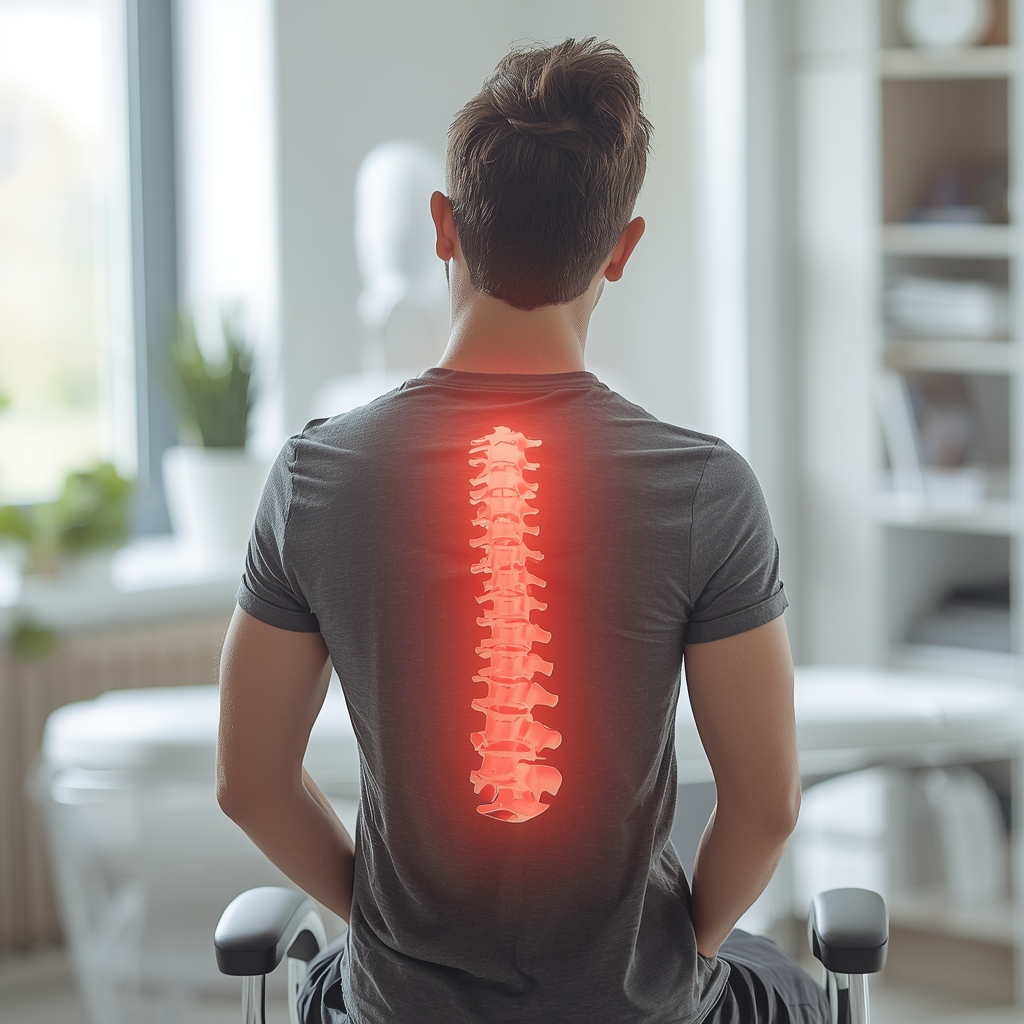
Understanding the Opioid Crisis and Chronic Neck Pain
Chronic neck pain affects millions, often leading to reliance on opioids for relief. While these medications can manage pain, long-term use carries risks of dependency, tolerance, and side effects. This has spurred interest in non-opioid alternatives, with chiropractic care emerging as a viable option. By addressing musculoskeletal imbalances and nerve interference, chiropractic care offers a holistic approach to pain management. It focuses on the body’s natural ability to heal, reducing the need for pharmaceutical interventions. This shift aligns with broader public health efforts to combat opioid overuse while prioritizing patient safety and long-term wellness.
How Chiropractic Care Addresses Chronic Neck Pain
Chiropractic care targets the root causes of chronic neck pain, such as misalignments in the cervical spine, muscle tension, or nerve compression. Through spinal adjustments and soft tissue therapies, chiropractors aim to restore proper biomechanics and reduce inflammation. These interventions can alleviate pain without medication, offering a drug-free solution. By improving spinal function, chiropractic care may also enhance nerve communication, which is crucial for pain regulation. Patients often report reduced discomfort and improved mobility after regular sessions, making it a valuable alternative to opioid-based treatments for those seeking non-invasive options.
Non-Opioid Pain Relief Strategies in Chiropractic Care
Chiropractors employ a variety of non-opioid techniques to manage chronic neck pain. Spinal manipulation, for example, can relieve pressure on nerves and joints, while mobilization techniques gently restore range of motion. Adjunct therapies like cold laser therapy, ultrasound, or electrical stimulation may also be used to reduce inflammation and promote healing. Additionally, corrective exercises and ergonomic advice help patients maintain improvements long-term. These methods work together to address pain from multiple angles, minimizing reliance on medications. By focusing on the body’s natural healing processes, chiropractic care provides sustainable relief without the risks associated with opioid use.
The Role of Spinal Adjustments in Reducing Dependency
Spinal adjustments are a cornerstone of chiropractic care, particularly for chronic neck pain. By realigning the spine, these adjustments can decrease nerve irritation and improve musculoskeletal function. This may lead to reduced pain signals and a lower need for painkillers. Studies suggest that regular chiropractic visits can decrease opioid use in some patients, though individual results vary. Adjustments also encourage the body to self-regulate, potentially enhancing overall well-being. For those seeking to minimize medication, spinal care offers a proactive approach. However, it’s essential to consult a qualified chiropractor to determine the best course of action for each unique condition.
Integrating Chiropractic Care with Other Non-Pharmacological Approaches
Chiropractic care is often most effective when combined with other non-opioid strategies. Physical therapy, for instance, can strengthen neck muscles and improve posture, complementing spinal adjustments. Mind-body practices like yoga or meditation may also reduce stress-related pain and enhance recovery. Nutritional support and lifestyle modifications further contribute to overall wellness. This integrative approach addresses pain holistically, targeting both physical and emotional factors. By working with a multidisciplinary team, patients can create a personalized plan that reduces opioid dependency while promoting long-term health and resilience.
Consulting a Chiropractor for Personalized Pain Management
While chiropractic care offers promising alternatives to opioids, it’s not a one-size-fits-all solution. Each patient’s condition requires a tailored assessment to determine the most effective treatments. A chiropractor can evaluate spinal alignment, muscle function, and pain patterns to develop a customized care plan. They may also collaborate with other healthcare providers to ensure a comprehensive approach. Patients should discuss their medical history and current treatments openly to avoid conflicts. By prioritizing communication and professional guidance, individuals can safely explore chiropractic options and make informed decisions about their pain management journey.














