
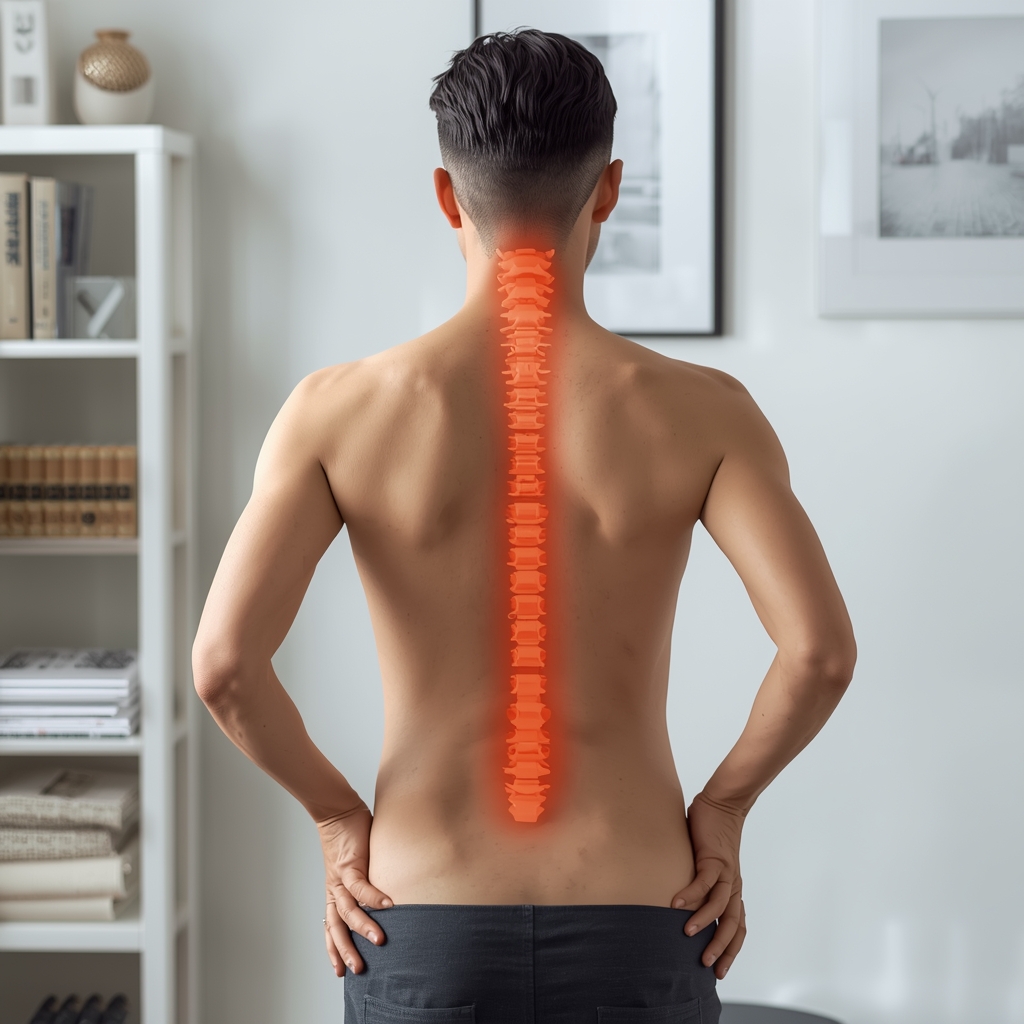
Understanding Adult Scoliosis and Comorbidities
Adult scoliosis, characterized by an abnormal lateral curvature of the spine, often develops due to degenerative changes, congenital factors, or unresolved childhood cases. When combined with comorbid conditions like osteoporosis, arthritis, or cardiovascular disease, treatment becomes more complex. Chiropractors must recognize how these conditions interact with spinal health. For example, osteoporosis weakens bones, increasing fracture risk during manipulations, while arthritis may limit joint mobility. A holistic approach is essential to address both the scoliosis and its associated health challenges without exacerbating existing issues. Understanding the patient’s full medical history ensures safer, more effective care.
Comprehensive Patient Assessment
Before initiating treatment, a thorough assessment is critical. This includes reviewing medical records, imaging studies (like X-rays or MRIs), and discussing symptoms with the patient. Comorbidities such as diabetes or heart disease may influence treatment choices, requiring adjustments to chiropractic techniques. For instance, patients with severe osteoporosis may need gentler adjustments to avoid spinal fractures. Additionally, evaluating neurological function and muscle strength helps identify risks. This detailed groundwork allows chiropractors to create a personalized plan that aligns with the patient’s overall health goals and limitations, ensuring care is both safe and targeted.
Tailoring Treatment Plans to Individual Needs
Each adult with scoliosis and comorbidities requires a customized approach. Chiropractors must balance spinal correction with the patient’s other health conditions. For example, a patient with hypertension might benefit from stress-reducing techniques like soft-tissue therapy rather than high-velocity adjustments. Similarly, those with chronic pain from arthritis may need a focus on pain management alongside spinal alignment. Integrating modalities such as traction, therapeutic exercises, or lifestyle modifications can address multiple concerns. The goal is to enhance mobility and reduce discomfort without compromising the patient’s overall well-being. Flexibility in treatment strategies ensures care remains adaptable to evolving needs.
Managing Pain and Symptom Relief
Pain management is a primary concern for adults with scoliosis and comorbidities. Chiropractic care can alleviate discomfort through adjustments, soft-tissue work, and rehabilitative exercises. However, conditions like neuropathy or fibromyalgia may require additional considerations. For instance, patients with nerve-related pain might respond better to low-force techniques or adjunct therapies like cold laser treatment. Chiropractors should collaborate with other providers to ensure treatments complement medications or other interventions. Open communication with the patient about their pain levels and preferences is vital. By prioritizing comfort and safety, chiropractors can help manage symptoms effectively while minimizing risks associated with their comorbid conditions.
Collaborating with Multidisciplinary Healthcare Teams
Addressing adult scoliosis with comorbidities often requires a team-based approach. Chiropractors should work closely with primary care physicians, orthopedic specialists, and physical therapists to coordinate care. For example, a patient with diabetes and scoliosis may need input from an endocrinologist to manage blood sugar levels during rehabilitation. This collaboration ensures that all aspects of the patient’s health are considered, reducing the risk of conflicting treatments. Regular communication helps align goals and adjust strategies as needed. By fostering these partnerships, chiropractors can provide more comprehensive care, improving outcomes for patients with complex health profiles.
Monitoring Progress and Adapting Care
Continuous monitoring is essential for adults with scoliosis and comorbidities. Regular follow-ups allow chiropractors to assess treatment effectiveness and make necessary adjustments. For instance, a patient experiencing worsening arthritis may require a shift in therapeutic focus. Tracking changes in pain levels, mobility, and overall function helps guide decisions. Chiropractors should also stay informed about new research and guidelines to ensure their methods remain evidence-based. By maintaining flexibility and responsiveness, they can address emerging challenges and support long-term wellness. This proactive approach ensures care evolves alongside the patient’s needs.













