
Understanding the Mind-Body Connection in Anxiety
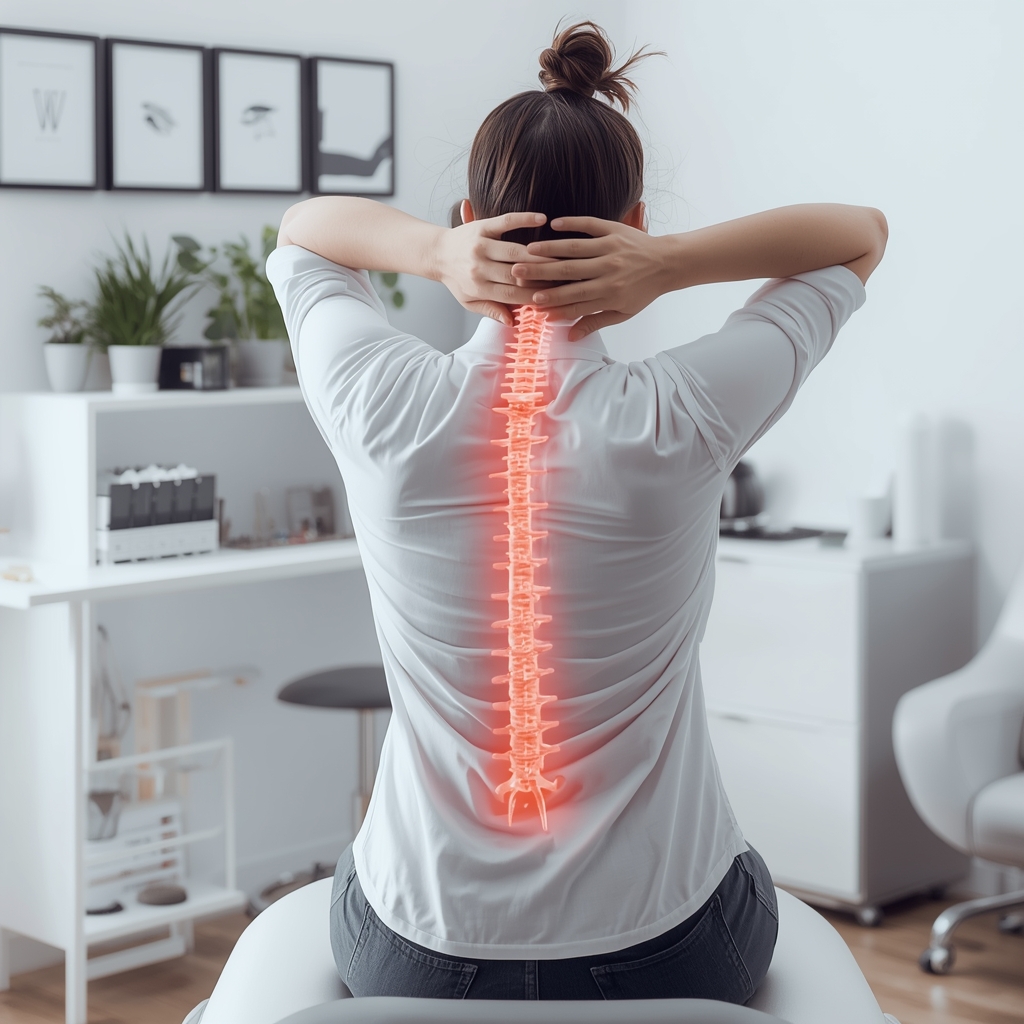
Anxiety is a complex condition influenced by both psychological and physiological factors. The nervous system plays a central role in how the body responds to stress, with the spine serving as a critical pathway for nerve communication. When spinal misalignments occur, they may disrupt this communication, potentially contributing to heightened stress responses. While anxiety is primarily a mental health concern, its physical manifestations—such as muscle tension, headaches, and digestive issues—highlight the interconnectedness of the body and mind. Chiropractic care focuses on restoring balance to the nervous system, which may help alleviate some of the physical symptoms associated with anxiety. By addressing structural imbalances, chiropractors aim to support the body’s natural ability to regulate stress and promote overall well-being.
How Spinal Adjustments May Influence Nervous System Function
Spinal adjustments involve precise manipulations of the spine to correct misalignments, or subluxations, that may interfere with nerve function. These adjustments are believed to reduce pressure on nerves, allowing the nervous system to operate more efficiently. For individuals experiencing anxiety, this could mean improved communication between the brain and body, potentially leading to a calmer physiological state. While research on this specific connection is ongoing, many patients report feeling more relaxed after chiropractic sessions. The spine’s role in housing and protecting the spinal cord—key to transmitting neural signals—underscores its importance in maintaining overall health. By restoring proper alignment, chiropractors may help the body better manage stress and reduce the physical toll of anxiety.
The Role of Nervous System Regulation in Anxiety Management
The nervous system has two primary branches: the sympathetic nervous system, which activates the body’s “fight or flight” response, and the parasympathetic nervous system, which promotes rest and digestion. Chronic anxiety often results from an overactive sympathetic response, leaving the body in a constant state of tension. Nervous system regulation involves techniques to balance these systems, such as deep breathing, mindfulness, and physical adjustments. Chiropractic care may support this balance by addressing structural issues that contribute to nervous system dysfunction. For example, a misaligned spine could theoretically disrupt signals that help the body relax. By improving spinal alignment, chiropractors may help the nervous system function more harmoniously, potentially reducing anxiety-related symptoms and fostering a greater sense of calm.
Combining Spinal Adjustments with Other Anxiety-Relief Strategies
While spinal adjustments may offer benefits for anxiety, they are most effective when integrated with other holistic approaches. Practices such as meditation, exercise, and cognitive-behavioral techniques can complement chiropractic care by addressing both the mental and physical aspects of anxiety. For instance, regular physical activity helps release endorphins, which can improve mood, while mindfulness practices may reduce stress hormones. Chiropractors often collaborate with patients to develop personalized plans that include these strategies, ensuring a comprehensive approach to well-being. It’s important to note that no single method works for everyone, and what helps one person may not suit another. Open communication with healthcare providers is key to finding the right combination of tools to manage anxiety effectively.
Exploring the Evidence and Limitations of Chiropractic Care for Anxiety
Research on the direct impact of chiropractic care on anxiety is limited, but some studies suggest a potential link between spinal health and mental well-being. For example, patients with chronic pain conditions often report improved mood and reduced anxiety after receiving chiropractic treatment. However, these findings are not specific to anxiety disorders and may reflect broader improvements in physical health. It’s also important to recognize that anxiety is a multifaceted condition influenced by genetic, environmental, and psychological factors. Chiropractic care should be viewed as a complementary option rather than a standalone solution. Individuals considering this approach should consult with licensed professionals to discuss their unique needs and explore all available treatment options.
Consulting a Chiropractor for Anxiety Support
If you’re exploring ways to manage anxiety, a chiropractor can provide valuable insights into how spinal health may influence your symptoms. During an initial consultation, they will assess your posture, spinal alignment, and nervous system function to create a tailored care plan. While chiropractic adjustments alone may not cure anxiety, they can be part of a broader strategy to reduce stress and improve overall health. It’s essential to work with a qualified practitioner who understands the connection between the spine and mental well-being. As with any health decision, discussing your options with a healthcare provider ensures you make informed choices that align with your goals. By combining chiropractic care with other supportive practices, you may find new ways to navigate anxiety and enhance your quality of life.













