
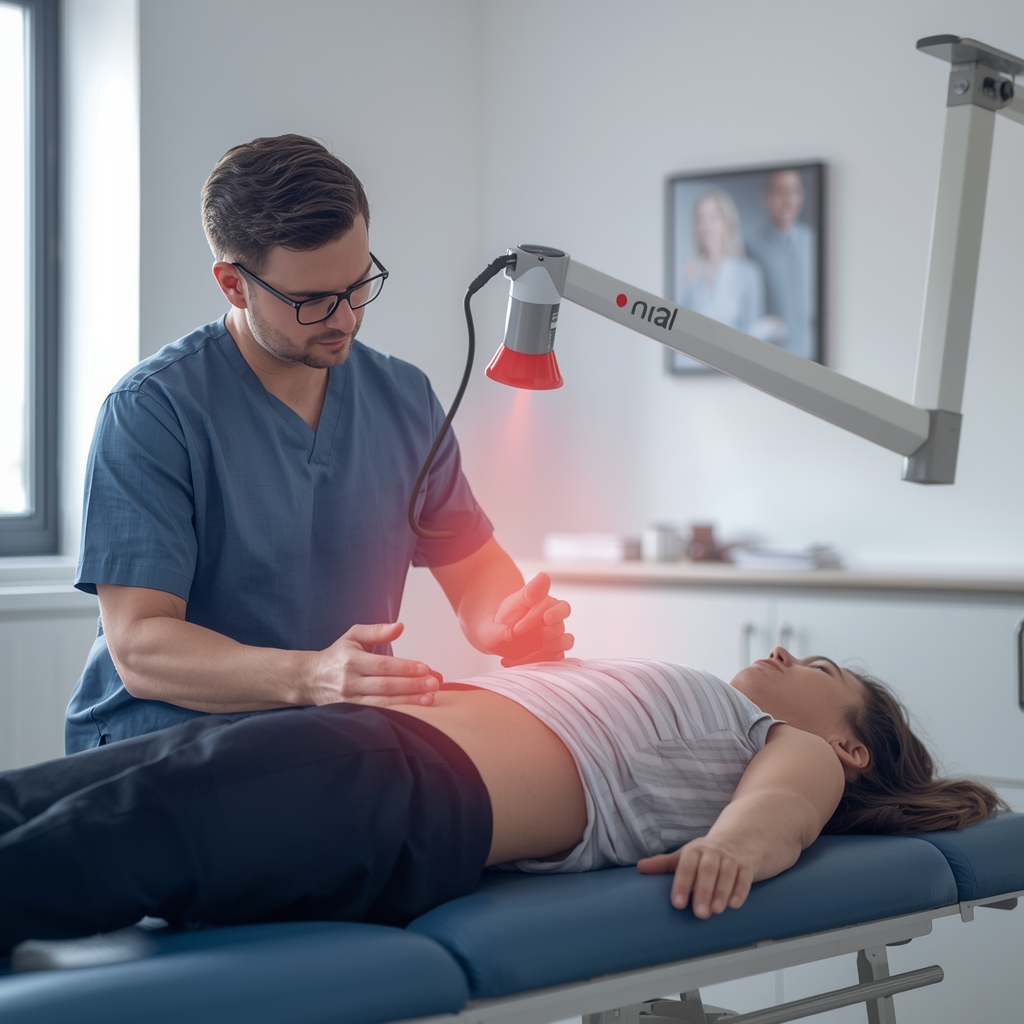
How Cold Laser Therapy Works Mechanistically
Cold laser therapy, also known as low-level laser therapy (LLLT), uses specific wavelengths of light to stimulate cellular function without generating significant heat. This non-invasive approach is believed to enhance tissue repair by promoting photobiomodulation, a process where light energy is absorbed by cells to boost ATP production and reduce oxidative stress. For patients with tendinitis, this mechanism may help mitigate inflammation and accelerate the healing of damaged tendons. The therapy’s ability to modulate cellular activity supports tissue regeneration, making it a potential adjunct to traditional treatments. While the exact biological pathways are still under study, research suggests that cold laser therapy can influence inflammatory markers and improve cellular metabolism, creating a conducive environment for recovery. However, its effectiveness often depends on factors like treatment duration, intensity, and the specific condition being addressed.
Cellular and Tissue-Level Benefits for Tendinitis
At the cellular level, cold laser therapy may reduce inflammation by inhibiting pro-inflammatory cytokines and enhancing anti-inflammatory responses. This is particularly relevant for tendinitis, where chronic inflammation contributes to pain and impaired function. The therapy also encourages collagen synthesis, a critical component of tendon repair, which can strengthen and restore damaged tissues. Additionally, cold laser therapy may improve blood circulation, delivering oxygen and nutrients to the affected area while removing metabolic waste. These combined effects can alleviate pain, reduce swelling, and restore mobility in patients with tendinitis. While the evidence is still evolving, many practitioners observe improved outcomes when integrating this therapy into treatment plans. However, results can vary, and individual responses should be monitored by a qualified provider to ensure safety and efficacy.
Optimal Treatment Protocols and Parameters
Optimal cold laser therapy protocols for tendinitis typically involve consistent, targeted sessions tailored to the patient’s condition. Treatment parameters such as wavelength (usually in the red or near-infrared spectrum), power output, and duration are adjusted based on factors like the tendon’s depth and the severity of inflammation. Most protocols recommend 5–10 sessions over several weeks, with each session lasting 5–20 minutes. The frequency of treatments—often 2–3 times per week—allows time for the body to respond while avoiding overstimulation. Some practitioners may use higher power settings for deeper tissues or lower intensities for more sensitive areas. It is crucial to follow a structured plan, as inconsistent application can limit effectiveness. While general guidelines exist, a chiropractor or healthcare provider should customize the protocol to the patient’s needs, ensuring safe and effective outcomes.
Clinical Applications and Case Studies
Cold laser therapy is increasingly used in clinical settings to address tendinitis, particularly in areas like the shoulders, elbows, and knees. Practitioners often combine it with other therapies, such as physical therapy or manual adjustments, to enhance recovery. While specific case studies are not detailed here, anecdotal reports and clinical observations suggest that patients experience reduced pain and improved function after consistent treatment. For example, athletes with repetitive strain injuries may find relief through cold laser therapy, allowing them to return to activity sooner. However, the therapy’s success depends on accurate diagnosis and proper technique. A qualified provider can assess the condition, determine the appropriate protocol, and monitor progress. Patients should approach cold laser therapy as part of a comprehensive care plan, discussing expectations and potential outcomes with their healthcare team.
Safety and Considerations for Patients
Cold laser therapy is generally considered safe when administered by trained professionals, with minimal side effects reported. However, patients should be aware of potential risks, such as temporary skin sensitivity or mild discomfort during treatment. Eye protection is essential, as the light can cause harm if directed at the eyes. Individuals with certain conditions, like photosensitivity or active infections, should consult a healthcare provider before undergoing therapy. Additionally, the therapy should not be applied to areas with cancerous lesions or over the abdomen during pregnancy. While cold laser therapy can complement traditional treatments, it is not a substitute for medical evaluation. Patients should discuss their medical history and current treatments with a chiropractor to ensure compatibility. Regular communication with the provider helps address any concerns and adjust the protocol as needed for optimal results.
Integrating Cold Laser Therapy with Other Treatments
Combining cold laser therapy with other therapeutic approaches can enhance its effectiveness for tendinitis. For instance, physical therapy exercises may improve flexibility and strength, while cold laser therapy addresses underlying inflammation and tissue repair. Chiropractic adjustments, soft tissue work, or modalities like ultrasound can also complement the therapy by targeting different aspects of the condition. A holistic approach ensures that both the symptoms and root causes are addressed. However, the integration of treatments should be guided by a healthcare provider to avoid conflicts or overstimulation. Patients should communicate openly with their chiropractor about all therapies they are undergoing to create a cohesive plan. While cold laser therapy offers promising benefits, its role is best understood as part of a broader strategy tailored to individual needs, ensuring safe and sustainable recovery.













