
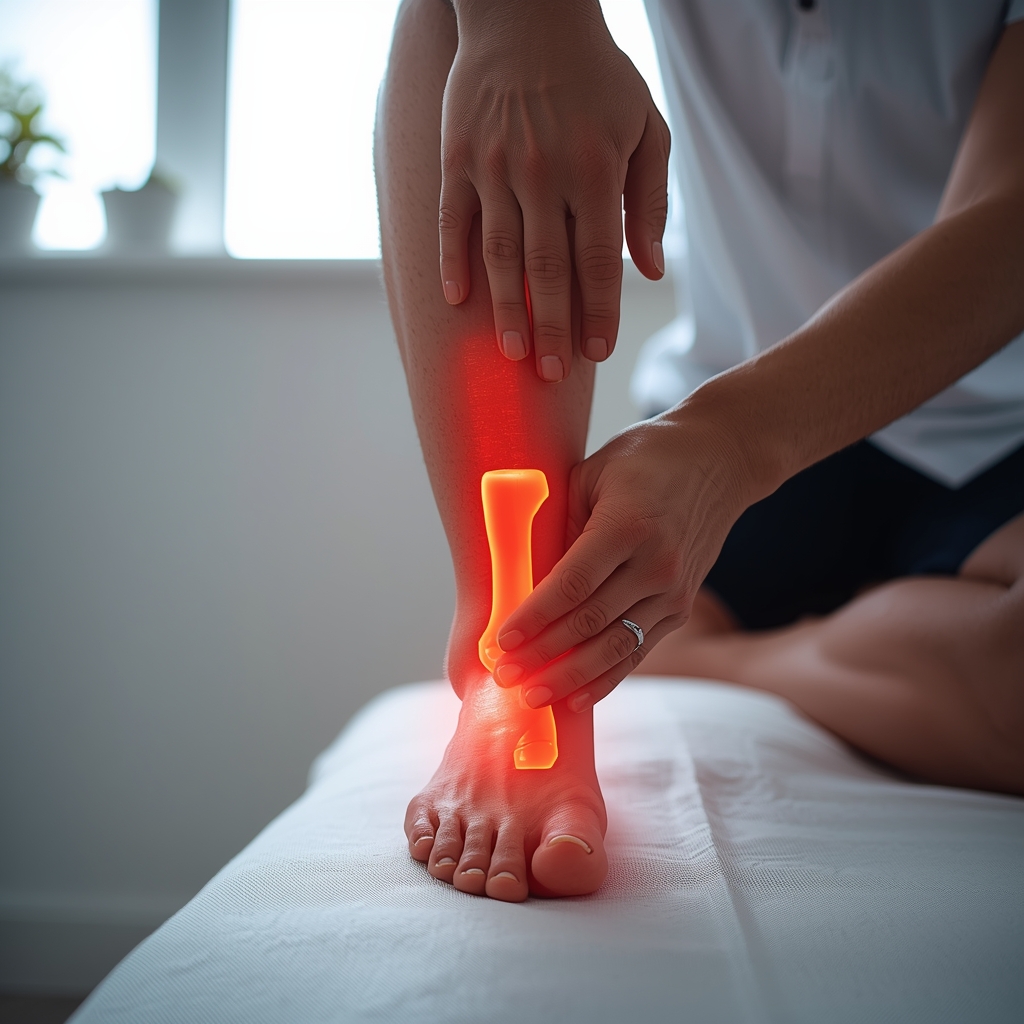
Understanding Cold Laser Therapy for Achilles Tendon Injuries
Cold laser therapy, also known as low-level laser therapy (LLLT), is a non-invasive treatment that uses specific wavelengths of light to stimulate cellular function. Unlike surgical lasers, it doesn’t generate heat, making it safe for targeted tissue interaction. For Achilles tendon injuries, which often involve inflammation and microtears, cold laser therapy offers a potential avenue for recovery. The therapy is believed to enhance cellular metabolism, reduce inflammation, and promote tissue repair. While commonly associated with pain management, its applications extend to addressing the underlying biological processes that hinder healing. By focusing on the inflammatory response and cellular regeneration, cold laser therapy may complement traditional treatments like rest, physical therapy, and chiropractic adjustments. However, its effectiveness varies, and it should be discussed with a qualified provider to determine suitability for individual cases.
Cellular Mechanisms of Inflammation Reduction
Cold laser therapy works by delivering light energy to damaged tissues, where it is absorbed by chromophores within cells. This absorption triggers a cascade of biochemical reactions, including increased adenosine triphosphate (ATP) production, which fuels cellular repair processes. Inflammation, a natural response to injury, can become problematic if prolonged. Cold laser therapy may modulate inflammatory pathways by reducing the release of pro-inflammatory cytokines and enhancing anti-inflammatory mediators. This balance helps mitigate swelling and pain while supporting the body’s healing mechanisms. Additionally, the therapy may improve mitochondrial function, which is critical for tissue regeneration. By addressing inflammation at the cellular level, cold laser therapy aims to create an environment conducive to faster recovery. However, its exact mechanisms remain an active area of research, and results can vary based on injury severity and treatment protocols.
Targeting Inflammatory Pathways in Tendon Healing
The Achilles tendon, a dense connective tissue, is prone to overuse injuries that trigger inflammatory responses. Cold laser therapy may specifically target these pathways by influencing the activity of immune cells and signaling molecules. For instance, it could reduce the accumulation of neutrophils and macrophages, which, while essential for initial healing, can cause further damage if overactive. Studies suggest that laser therapy may also enhance the production of growth factors like vascular endothelial growth factor (VEGF), which supports blood vessel formation and tissue repair. By modulating these inflammatory processes, the therapy may accelerate the transition from acute to chronic healing phases. This targeted approach could be particularly beneficial for conditions like tendinitis or tendinopathy, where inflammation persists and delays recovery. As with any treatment, individual responses may vary, and a chiropractor can help assess its potential role in a comprehensive care plan.
Enhancing Tissue Repair and Collagen Synthesis
Collagen is the primary structural protein in tendons, and its synthesis is critical for repairing Achilles injuries. Cold laser therapy may stimulate fibroblasts, the cells responsible for producing collagen, thereby strengthening the tendon’s integrity. By increasing collagen production, the therapy could help restore the tendon’s mechanical properties and reduce the risk of re-injury. Additionally, cold laser therapy may improve the alignment of collagen fibers, which is essential for optimal tissue function. This effect is particularly relevant for chronic tendon injuries, where disorganized collagen can lead to weakness. While the therapy does not directly repair tears, it supports the body’s natural remodeling processes. Combining cold laser therapy with other interventions, such as chiropractic adjustments or physical therapy, may enhance overall outcomes. As always, consulting a healthcare provider is crucial to determine the best approach for individual needs.
Improving Blood Flow and Oxygenation
Optimal blood flow is vital for delivering nutrients and oxygen to injured tissues, yet inflammation can impair circulation. Cold laser therapy may enhance microcirculation by dilating blood vessels and promoting the formation of new capillaries. This increased blood flow can accelerate the removal of metabolic waste products and the delivery of healing agents to the Achilles tendon. Improved oxygenation also supports cellular respiration, which is essential for energy production and tissue repair. Furthermore, better circulation may reduce swelling by facilitating lymphatic drainage, another factor in inflammation management. These effects collectively create a more favorable environment for recovery. However, the extent of these benefits can depend on factors like treatment duration and the specific laser parameters used. A chiropractor can guide patients on integrating cold laser therapy with other strategies to maximize its potential.
Integrating Cold Laser Therapy into Treatment Plans
Chiropractors often use cold laser therapy as part of a multifaceted approach to Achilles tendon injuries. It may be combined with manual adjustments, soft tissue therapies, and rehabilitative exercises to address both structural and functional aspects of the injury. The therapy’s non-invasive nature makes it a viable option for patients seeking alternatives to medication or surgery. However, its effectiveness is not guaranteed, and results may vary based on individual factors such as injury duration and overall health. Patients should work closely with their chiropractor to develop a personalized plan, as improper use of laser devices can lead to suboptimal outcomes. While cold laser therapy shows promise in reducing inflammation and supporting healing, it is one tool among many. Open communication with a healthcare provider ensures that treatments are tailored to the patient’s unique condition and goals.













