
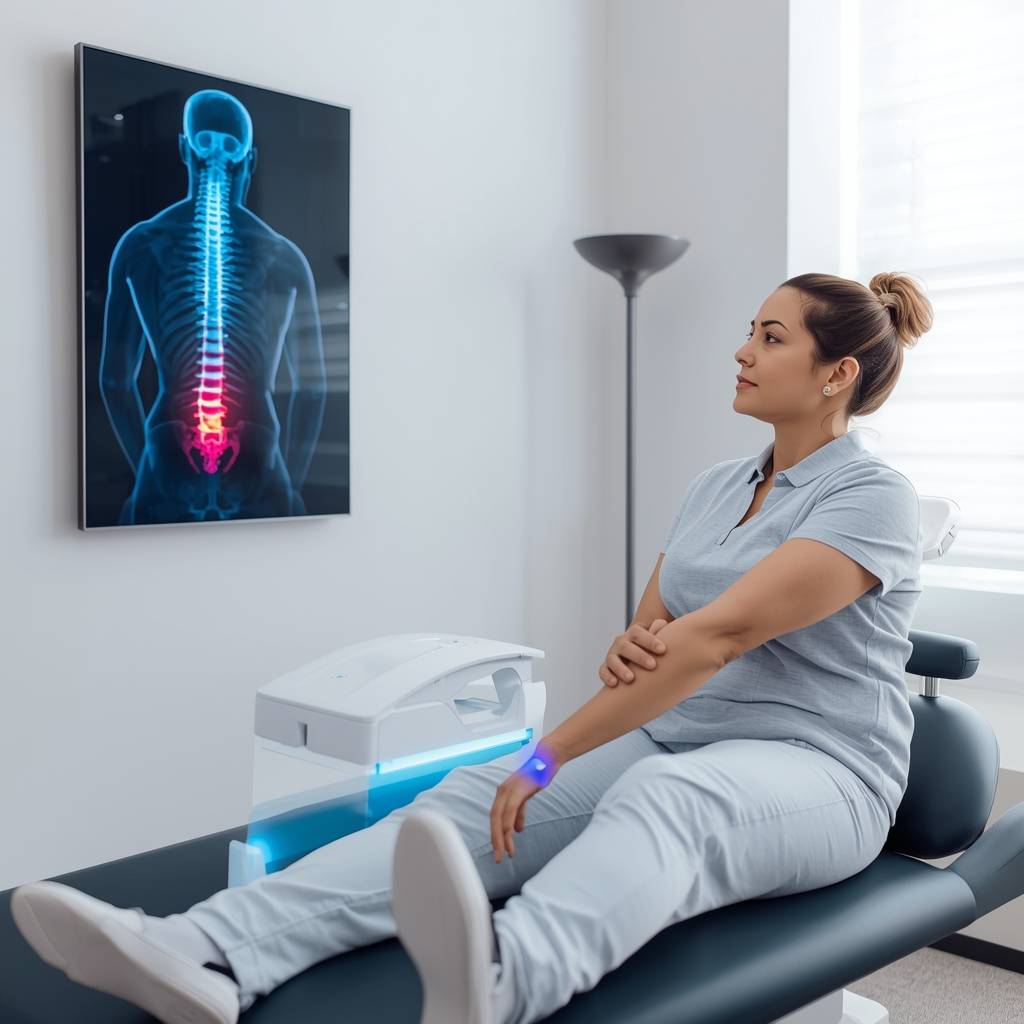
Understanding Nerve Compression Syndromes and Chiropractic Care
Nerve compression syndromes like carpal tunnel occur when pressure disrupts nerve function, causing pain, numbness, or weakness. Spinal adjustments are a cornerstone of chiropractic care, aiming to realign the spine and reduce pressure on nerves. However, nerve compression often involves more than just spinal misalignment. Soft tissues, inflammation, and surrounding structures can contribute to symptoms. Cold laser therapy, a non-invasive treatment, offers complementary support by targeting inflammation and promoting tissue repair. Together, these approaches address both structural and physiological factors, providing a holistic strategy for managing nerve-related discomfort.
How Cold Laser Therapy Works
Cold laser therapy, also known as low-level laser therapy (LLLT), uses specific wavelengths of light to stimulate cellular activity. This process, called photobiomodulation, enhances ATP production, reduces inflammation, and accelerates tissue healing. For nerve compression syndromes, this can help alleviate swelling around affected nerves, improving their function. Unlike surgical interventions, cold laser therapy is non-invasive and typically painless. It is often used alongside spinal adjustments to optimize outcomes, as the therapy can target areas that adjustments alone may not reach, such as peripheral nerves in the hands or wrists.
Complementary Roles of Spinal Adjustments and Cold Laser Therapy
Spinal adjustments focus on correcting misalignments that may contribute to nerve compression, while cold laser therapy addresses inflammation and nerve health directly. For example, in carpal tunnel syndrome, spinal adjustments might relieve pressure on the cervical spine, which can indirectly affect hand nerves. Cold laser therapy, applied to the wrist or forearm, targets localized inflammation and promotes nerve regeneration. This dual approach ensures both systemic and site-specific care, enhancing the body’s natural healing processes. By combining these methods, chiropractors can offer a more comprehensive treatment plan tailored to the patient’s needs.
Benefits of Integrating Cold Laser Therapy
Integrating cold laser therapy into chiropractic care can lead to faster symptom relief and improved long-term outcomes. The therapy’s anti-inflammatory effects may reduce the need for medications or invasive procedures, aligning with patient preferences for natural treatments. It also supports the body’s ability to repair damaged nerves, which can be particularly beneficial for chronic conditions. Patients often report reduced pain and increased mobility after combined treatments. Additionally, cold laser therapy is generally well-tolerated, making it a safe option for those who may not respond well to other interventions. This synergy between spinal adjustments and cold laser therapy underscores the value of a multifaceted approach to nerve compression management.
What to Expect During Treatment
During a session, a chiropractor may first perform spinal adjustments to address structural imbalances. Following this, cold laser therapy is applied to the affected area using a handheld device that emits light. Patients typically feel little to no sensation during the procedure, which lasts 10–20 minutes. The number of sessions required depends on the severity of the condition and individual response. Some patients notice improvements after a few visits, while others may need ongoing care. It’s important to discuss expectations with a chiropractor, as they can tailor the treatment plan to specific needs. Consistency and follow-up are key to achieving optimal results from this combined approach.
Consulting a Chiropractor for Personalized Care
While cold laser therapy and spinal adjustments can be effective, their application varies based on individual health profiles. A chiropractor can evaluate the root causes of nerve compression and determine the best combination of treatments. They may also recommend lifestyle adjustments, ergonomic changes, or additional therapies to support recovery. Patients should communicate openly about their symptoms and goals to ensure a customized plan. By working with a qualified provider, individuals can explore non-surgical options that align with their preferences and health objectives. This collaborative approach emphasizes safety, efficacy, and long-term wellness in managing nerve compression syndromes.














