
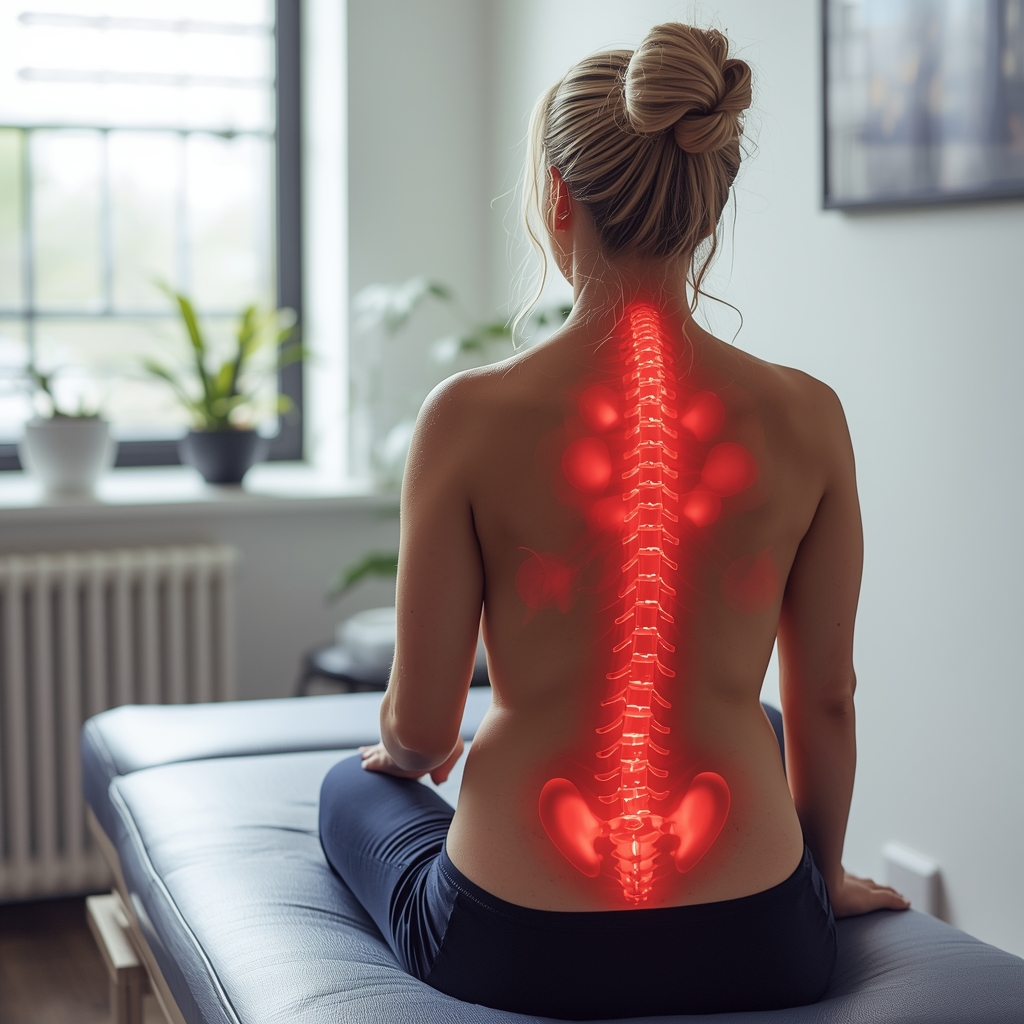
Understanding Cold Laser Therapy and Fibromyalgia
Cold laser therapy, also known as low-level laser therapy (LLLT), uses specific wavelengths of light to stimulate cellular function and reduce inflammation. Fibromyalgia, a chronic condition characterized by widespread musculoskeletal pain, fatigue, and tenderness, often challenges traditional treatment approaches. While spinal adjustments aim to correct misalignments and improve nerve function, cold laser therapy may offer additional relief by targeting pain sources at the cellular level. Together, these methods could address both structural and physiological aspects of fibromyalgia, providing a multifaceted approach to symptom management.
How Cold Laser Therapy Works
The therapy works by delivering light energy to tissues, which is absorbed by cells and converted into biochemical energy. This process is thought to enhance ATP production, reduce oxidative stress, and modulate inflammatory responses. For fibromyalgia patients, this could mean reduced muscle tension, improved circulation, and decreased pain sensitivity. Unlike surgical lasers, cold lasers do not generate heat, making them non-invasive and generally safe. By stimulating healing at the cellular level, cold laser therapy may complement spinal adjustments, which focus on restoring proper biomechanics and nerve flow.
Complementing Spinal Adjustments
Spinal adjustments realign the vertebrae, alleviating pressure on nerves and improving overall function. Cold laser therapy can enhance this process by targeting areas of inflammation or muscle tightness that adjustments alone may not fully address. For example, if fibromyalgia causes chronic muscle spasms, laser therapy might reduce localized pain and improve the effectiveness of adjustments. This combination could lead to more sustained relief, as adjustments correct structural issues while laser therapy supports tissue recovery. Patients often report enhanced mobility and reduced discomfort when both therapies are integrated into their care plan.
Evidence of Efficacy in Fibromyalgia
While research on cold laser therapy for fibromyalgia is ongoing, some studies suggest it may help reduce pain and improve quality of life. Observations indicate that patients experience decreased tenderness and better sleep after treatments. However, findings are not universally consistent, and more rigorous trials are needed to establish definitive guidelines. It’s important to note that cold laser therapy is typically used alongside other interventions, such as physical therapy or medication. Its role in fibromyalgia management remains complementary, requiring further investigation to determine optimal protocols and long-term benefits.
Considering Cold Laser Therapy for Fibromyalgia
Patients exploring cold laser therapy should consult a qualified chiropractor or healthcare provider to assess its suitability. Factors like symptom severity, treatment history, and individual health goals influence its effectiveness. While generally safe, some people may experience mild side effects, such as temporary warmth or skin sensitivity. Cold laser therapy is not a substitute for spinal adjustments but can enhance their outcomes when used strategically. Open communication with a provider ensures the approach aligns with the patient’s needs, avoiding potential conflicts with other treatments or conditions.
Conclusion: A Holistic Approach to Fibromyalgia Care
Combining cold laser therapy with spinal adjustments offers a promising strategy for managing fibromyalgia pain. By addressing both structural and cellular factors, this integrated approach may provide more comprehensive relief than either method alone. While research continues to evolve, many patients find value in exploring complementary therapies under professional guidance. As always, personalized care is essential—discussing options with a chiropractor ensures safe, informed decisions tailored to individual health needs and goals.














