
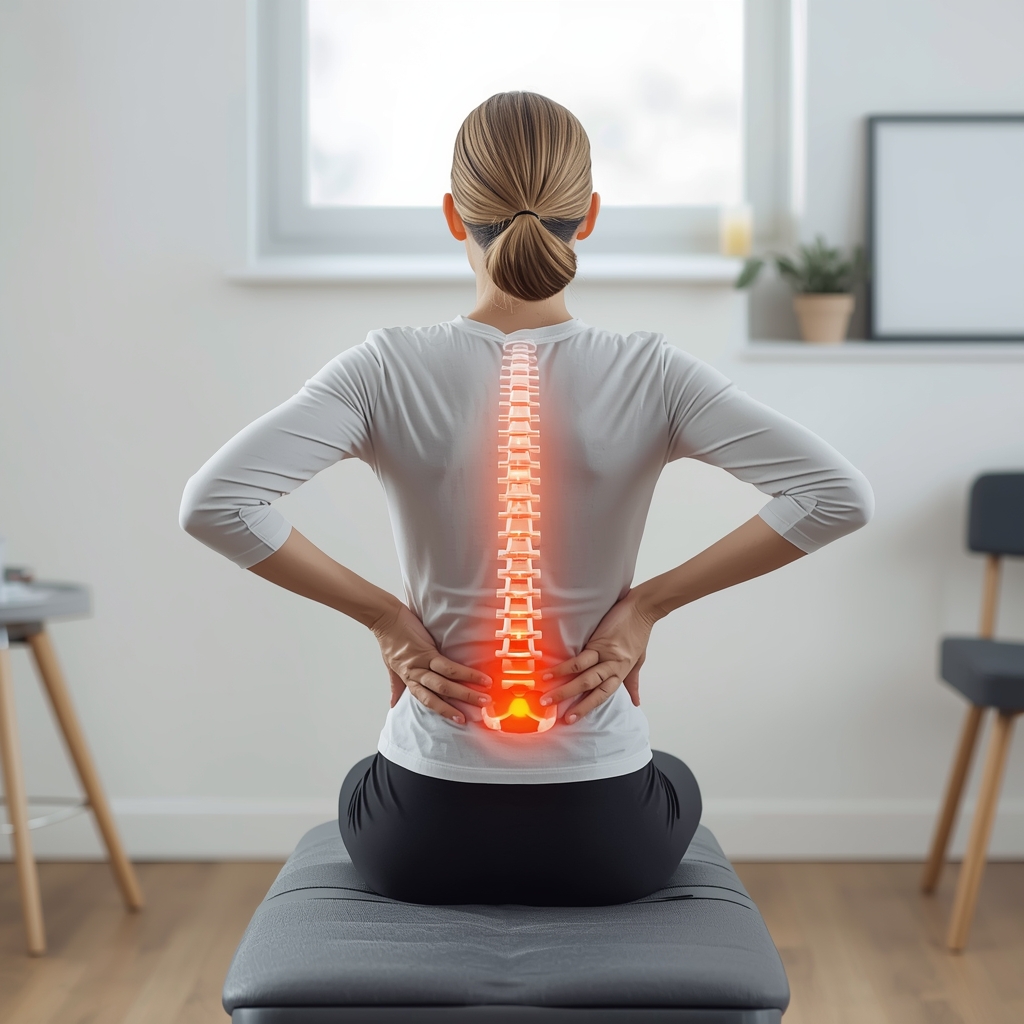
Understanding the Synergy Between Massage Therapy and Chiropractic Care
Chronic lower back pain often involves complex interactions between musculoskeletal structures, nerves, and soft tissues. While chiropractic adjustments focus on realigning the spine and improving nervous system function, massage therapy targets muscle tension, fascial restrictions, and circulation. Together, these approaches create a complementary effect: adjustments address structural imbalances, while massage reduces muscle tightness that could otherwise hinder proper alignment. This synergy allows for more effective and lasting results, as both modalities work in tandem to alleviate pain and restore mobility. Patients frequently report greater comfort and faster recovery when these treatments are integrated, highlighting the value of a holistic approach to musculoskeletal health.
How Massage Therapy Enhances Chiropractic Adjustments
Before a chiropractic adjustment, tight muscles can restrict the spine’s ability to move freely, potentially reducing the effectiveness of the treatment. Massage therapy helps by relaxing these muscles, making it easier for the chiropractor to achieve proper alignment. It also increases blood flow to the affected areas, which can speed up the body’s natural healing processes. Additionally, massage stimulates the release of endorphins, the body’s natural painkillers, which may reduce discomfort during and after adjustments. By preparing the body physically and physiologically, massage therapy sets the stage for more successful chiropractic interventions, ensuring that adjustments can be performed with greater precision and comfort.
Addressing Muscle Imbalances and Tension
Chronic lower back pain is often linked to muscle imbalances, where certain muscles become overactive while others weaken. Chiropractic care can correct spinal misalignments contributing to these imbalances, but without addressing the underlying muscular tension, symptoms may persist. Massage therapy specifically targets these imbalances by releasing trigger points, breaking down adhesions, and restoring normal muscle function. This dual approach not only relieves immediate pain but also prevents future issues by promoting muscular harmony. Patients who receive both treatments often experience improved posture, reduced strain on the spine, and a lower risk of recurring pain episodes.
Reducing Inflammation and Promoting Healing
Inflammation is a common factor in chronic lower back pain, contributing to pain, stiffness, and limited mobility. Both chiropractic adjustments and massage therapy have anti-inflammatory effects, though through different mechanisms. Adjustments can reduce nerve irritation and improve lymphatic drainage, while massage enhances circulation and reduces swelling in soft tissues. When combined, these therapies may create a more potent anti-inflammatory response, accelerating the body’s healing processes. This integrated approach can be particularly beneficial for patients with conditions like herniated discs or facet joint inflammation, offering a non-invasive way to manage pain and improve function.
Improving Patient Outcomes Through Integrated Care
Studies suggest that combining massage therapy with chiropractic care can lead to better long-term outcomes for patients with chronic lower back pain. This integration addresses both structural and soft tissue components of pain, providing a more comprehensive solution than either modality alone. Patients often report reduced reliance on pain medications, improved sleep, and greater overall satisfaction with their treatment plans. Additionally, the combination may enhance patient compliance, as the dual approach can make the healing process feel more dynamic and responsive. By working together, chiropractors and massage therapists can create personalized care plans that adapt to each patient’s unique needs and progress over time.
Consulting Professionals for Personalized Treatment
While the integration of massage therapy and chiropractic care offers significant benefits, it is essential to work with qualified professionals who can tailor the approach to individual needs. A chiropractor can assess spinal alignment and determine the appropriate adjustments, while a licensed massage therapist can address muscular and soft tissue concerns. Patients should communicate openly with both providers to ensure their treatments are coordinated and complementary. This collaborative approach maximizes the potential for pain relief and functional improvement, helping patients achieve their health goals safely and effectively. As with any medical decision, consulting with healthcare providers is crucial to developing a plan that aligns with personal health circumstances.














