
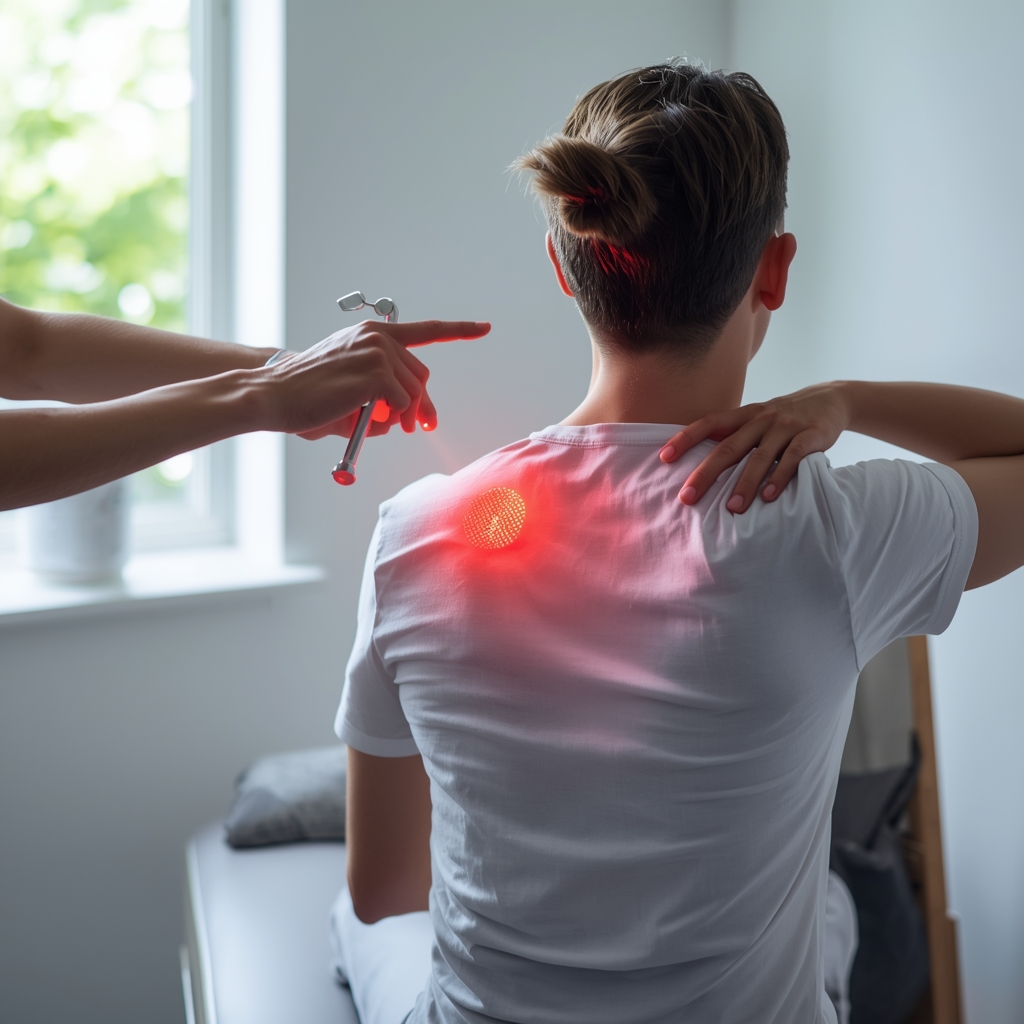
Understanding Cold Laser Therapy and Its Mechanism
Cold laser therapy, also known as low-level laser therapy (LLLT), uses specific wavelengths of light to stimulate cellular function without generating significant heat. This non-invasive approach is believed to enhance ATP production, reduce oxidative stress, and modulate inflammatory pathways. While the exact mechanisms remain under investigation, research suggests it may influence cellular metabolism and tissue repair. For musculoskeletal conditions like rotator cuff tendinopathy, the therapy aims to address pain and dysfunction by targeting affected tissues. Its application is often part of a broader treatment plan, emphasizing integration with other therapeutic strategies. Understanding its biological basis helps frame its role in managing inflammation and promoting recovery.
Targeting Inflammation in Rotator Cuff Tendinopathy
In rotator cuff tendinopathy, chronic inflammation contributes to pain and impaired function. Cold laser therapy may reduce inflammation by inhibiting pro-inflammatory cytokines and promoting anti-inflammatory mediators. This dual action could alleviate pain and support tissue healing. The therapy’s ability to penetrate soft tissues allows it to reach inflamed areas, potentially enhancing recovery. While studies on its efficacy vary, many practitioners observe reduced swelling and improved mobility in patients. However, results depend on factors like treatment duration and individual response. Patients should consult a chiropractor to determine if this approach aligns with their specific condition and overall care goals.
Key Protocols for Effective Treatment
Effective cold laser therapy protocols for rotator cuff tendinopathy typically involve standardized parameters, such as laser wavelength (usually 600-1000 nm), power output, and treatment duration. Sessions often last 5-20 minutes, with frequency ranging from multiple times per week to once weekly. Treatment plans may combine different wavelengths or pulse modes to optimize outcomes. Practitioners also consider the severity of inflammation and patient tolerance when adjusting protocols. Consistency is critical, as repeated sessions are often needed to achieve cumulative benefits. While no universal protocol exists, evidence-based guidelines help clinicians tailor approaches to individual needs, ensuring safety and potential therapeutic value.
Factors Influencing Treatment Outcomes
Several factors can affect the success of cold laser therapy for rotator cuff tendinopathy. Patient-specific variables, such as the stage of tendinopathy, overall health, and adherence to treatment, play a role. The therapy’s effectiveness may also depend on the equipment used, including laser type and calibration. Additionally, concurrent treatments—like physical therapy or activity modification—can enhance results. Some patients may experience faster relief with combined modalities, while others require longer-term management. It is essential to monitor progress and adjust protocols as needed. A chiropractor can evaluate these factors to create a personalized plan that addresses the patient’s unique circumstances and goals.
Combining with Other Therapies for Enhanced Results
Cold laser therapy is often most effective when integrated with complementary treatments. For rotator cuff tendinopathy, this may include manual therapy, therapeutic exercises, or ultrasound. Combining modalities can address multiple aspects of the condition, such as pain, mobility, and strength. For example, chiropractic adjustments might correct postural imbalances contributing to tendon strain, while laser therapy reduces inflammation. Patients should discuss a holistic approach with their provider to ensure therapies work synergistically. While cold laser therapy alone may offer benefits, its integration into a comprehensive care plan can optimize outcomes and support long-term recovery.
Consultation with a Chiropractor for Personalized Care
Each patient’s condition and response to treatment vary, making professional guidance essential. A chiropractor can assess the severity of rotator cuff tendinopathy and determine if cold laser therapy is appropriate. They will consider factors like medical history, current symptoms, and treatment goals to develop a tailored plan. Open communication with the provider ensures that protocols align with the patient’s needs and preferences. While cold laser therapy shows promise, it is not a standalone solution for all cases. Patients should view it as part of a broader strategy, discussing potential benefits and limitations with their chiropractor to make informed decisions about their care.












