
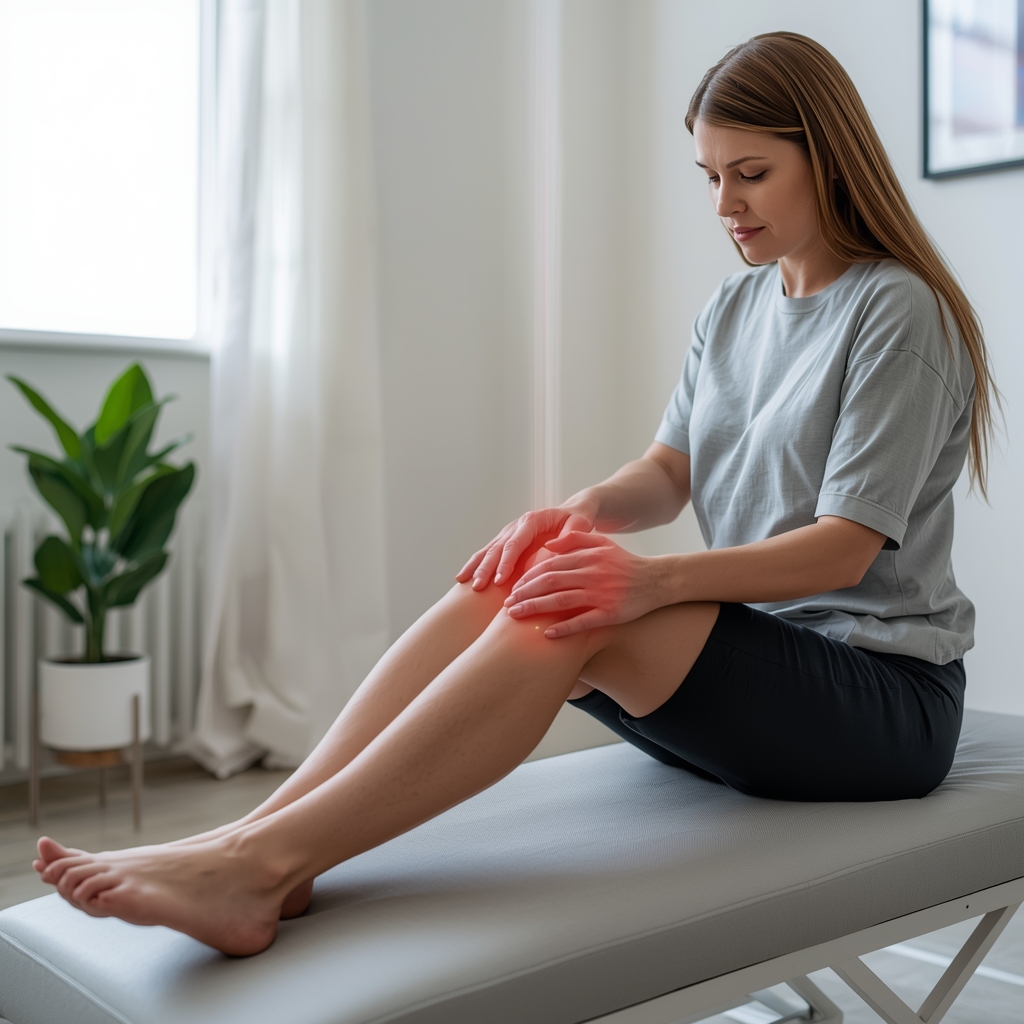
Understanding Cold Laser Therapy for Knee Osteoarthritis
Cold laser therapy, also known as low-level laser therapy (LLLT), uses specific wavelengths of light to stimulate cellular function and reduce inflammation. For knee osteoarthritis, this non-invasive approach aims to alleviate pain and improve joint mobility. While research is ongoing, some studies suggest it may help by enhancing tissue repair and modulating pain signals. It is often used as an adjunct to traditional treatments, offering a drug-free option for patients seeking relief. However, its effectiveness can vary, and it is typically part of a broader care plan rather than a standalone solution.
Research Supporting Cold Laser Therapy
Several studies have explored cold laser therapy’s potential for osteoarthritis, though findings remain mixed. Some clinical trials indicate it may reduce pain and stiffness in knee joints by promoting anti-inflammatory responses and improving blood flow. A 2019 review highlighted that LLLT could offer modest benefits for pain management, but larger, well-controlled studies are needed to confirm these results. Researchers emphasize that while cold laser therapy shows promise, it should not replace evidence-based treatments like physical therapy or chiropractic care. Patients should discuss its use with a qualified provider to determine if it aligns with their individual needs.
How Cold Laser Therapy Works Biologically
Cold laser therapy operates by delivering light energy to target tissues, which is absorbed by cells and converted into biochemical energy. This process is believed to reduce oxidative stress, enhance ATP production, and stimulate the release of anti-inflammatory molecules. For knee osteoarthritis, these effects may help slow cartilage degeneration and ease discomfort. The therapy is typically administered in short sessions, with multiple treatments often required for optimal results. While the exact mechanisms are not fully understood, the focus on cellular-level healing makes it an appealing option for those looking to complement conventional therapies without invasive procedures.
Complementing Chiropractic Adjustments
Chiropractic adjustments focus on realigning the spine and joints to improve function and reduce pain. Cold laser therapy can enhance these effects by addressing inflammation and promoting tissue recovery around the knee. For example, while adjustments may restore joint mobility, laser therapy could support the surrounding muscles and connective tissues. This combined approach may lead to more comprehensive pain relief and improved outcomes. However, the integration of these therapies should be guided by a chiropractor, who can tailor the treatment plan to the patient’s specific condition and needs.
Considerations for Patients and Providers
Before pursuing cold laser therapy, patients should consult their chiropractor to ensure it aligns with their overall treatment strategy. Factors like the severity of osteoarthritis, existing health conditions, and other therapies being used must be evaluated. While generally safe, improper use of laser devices can cause burns or eye damage, emphasizing the need for trained professionals. Chiropractors may recommend cold laser therapy as part of a multi-modal approach, combining it with adjustments, exercise, and lifestyle modifications. Open communication between patients and providers is key to optimizing results and minimizing risks.
Conclusion: A Holistic Approach to Knee Osteoarthritis
Cold laser therapy offers a promising, non-invasive option for managing knee osteoarthritis, with research suggesting potential benefits in pain reduction and inflammation control. When integrated with chiropractic care, it can enhance joint function and support overall wellness. However, its role remains complementary rather than a replacement for established treatments. Patients are encouraged to work closely with their chiropractor to develop a personalized plan that addresses their unique needs. As with any therapy, ongoing evaluation and adjustments to the care strategy are essential for long-term success.













