
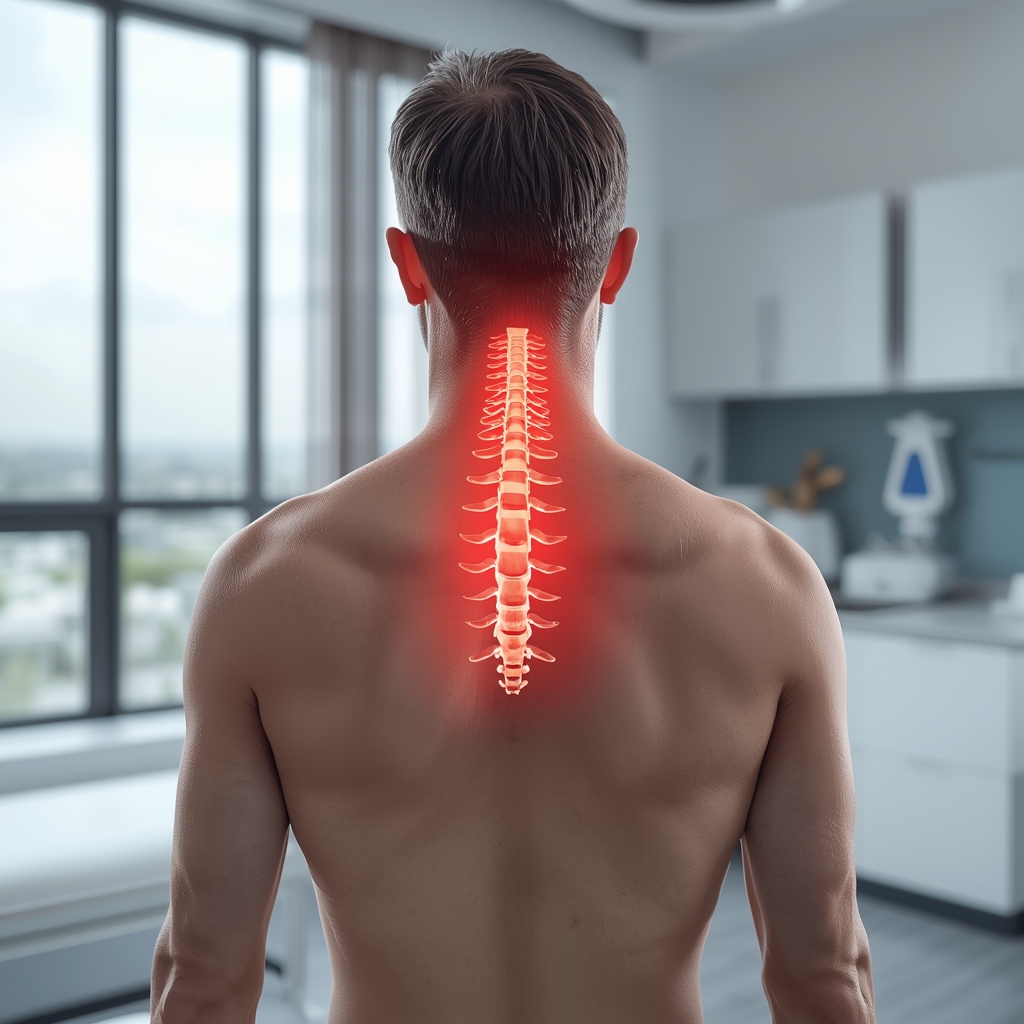
What Is Cold Laser Therapy and How Does It Work?
Cold laser therapy, also known as low-level laser therapy (LLLT), uses specific wavelengths of light to stimulate cellular activity without generating heat. This non-invasive approach is commonly used to reduce pain and inflammation by enhancing tissue repair processes. The therapy works by penetrating the skin to reach affected cells, where it may improve mitochondrial function and increase ATP production. This can support cellular metabolism and reduce oxidative stress, potentially accelerating healing. While the exact mechanisms are still under study, the therapy is often applied to musculoskeletal conditions, including chronic rotator cuff injuries, to address pain and inflammation. Its ability to target deep tissues without causing damage makes it a popular option for patients seeking alternative treatments.
Targeting Inflammation in Rotator Cuff Injuries
Chronic rotator cuff injuries often involve persistent inflammation, which can delay healing and cause ongoing discomfort. Cold laser therapy may help by modulating inflammatory responses at the cellular level. By reducing pro-inflammatory cytokines and promoting anti-inflammatory pathways, the therapy could alleviate swelling and pain. This makes it a potential tool for managing the inflammatory phase of tissue damage. Additionally, the therapy may enhance the body’s natural repair mechanisms, supporting the regeneration of damaged tendons and muscles. While research is ongoing, many practitioners believe that cold laser therapy can complement traditional treatments by addressing inflammation more directly than conventional methods alone.
Applications for Musculoskeletal Conditions
Cold laser therapy is frequently used for musculoskeletal issues, including tendonitis, arthritis, and muscle strains. For rotator cuff injuries, it is applied to the shoulder area to reduce inflammation and improve mobility. The therapy’s ability to penetrate soft tissues allows it to reach affected areas without invasive procedures. It is often combined with other treatments like physical therapy or chiropractic adjustments to maximize outcomes. Patients with chronic conditions may find relief from persistent pain and improved function. However, its effectiveness can vary depending on the injury’s severity and individual response. Practitioners typically tailor treatment plans to address specific musculoskeletal needs, ensuring the therapy aligns with broader rehabilitation goals.
Evidence Supporting Its Efficacy
While cold laser therapy is widely used, the evidence supporting its efficacy for chronic rotator cuff injuries remains mixed. Some studies suggest it may reduce pain and improve function, but results are not universally consistent. Research often highlights its potential as a complementary therapy rather than a standalone solution. The lack of large-scale, high-quality trials makes it difficult to establish definitive conclusions. However, many clinicians report positive patient outcomes when integrating cold laser therapy into treatment protocols. Ongoing studies aim to clarify its role in musculoskeletal care, with a focus on standardized protocols and measurable outcomes. Patients considering this therapy should discuss its potential benefits and limitations with a qualified healthcare provider.
Considerations and Safety
Cold laser therapy is generally considered safe when administered by trained professionals. However, its effectiveness can depend on factors like the device’s power, treatment duration, and the patient’s overall health. It is not a substitute for medical evaluation, and individuals should consult a healthcare provider before starting any new treatment. While side effects are rare, some patients may experience mild discomfort or skin sensitivity. The therapy is typically used alongside other interventions, such as physical therapy or chiropractic care, to address chronic rotator cuff injuries comprehensively. Patients should be cautious of unproven claims and seek treatments from reputable practitioners. Open communication with a healthcare team ensures the therapy aligns with individual health needs.
Integrating Cold Laser Therapy Into Treatment Plans
Chiropractors and other healthcare providers often incorporate cold laser therapy into broader treatment strategies for chronic rotator cuff injuries. It may be used to reduce inflammation, enhance recovery, and support other therapeutic interventions. Patients might receive sessions alongside manual adjustments, exercise programs, or ergonomic recommendations. The therapy’s non-invasive nature makes it a versatile option for those seeking to avoid more aggressive treatments. However, its role is typically part of a multifaceted approach rather than a standalone solution. Practitioners assess each patient’s condition to determine the most appropriate combination of therapies. By addressing inflammation and promoting tissue health, cold laser therapy can contribute to long-term pain relief and improved mobility for individuals with musculoskeletal challenges.













