
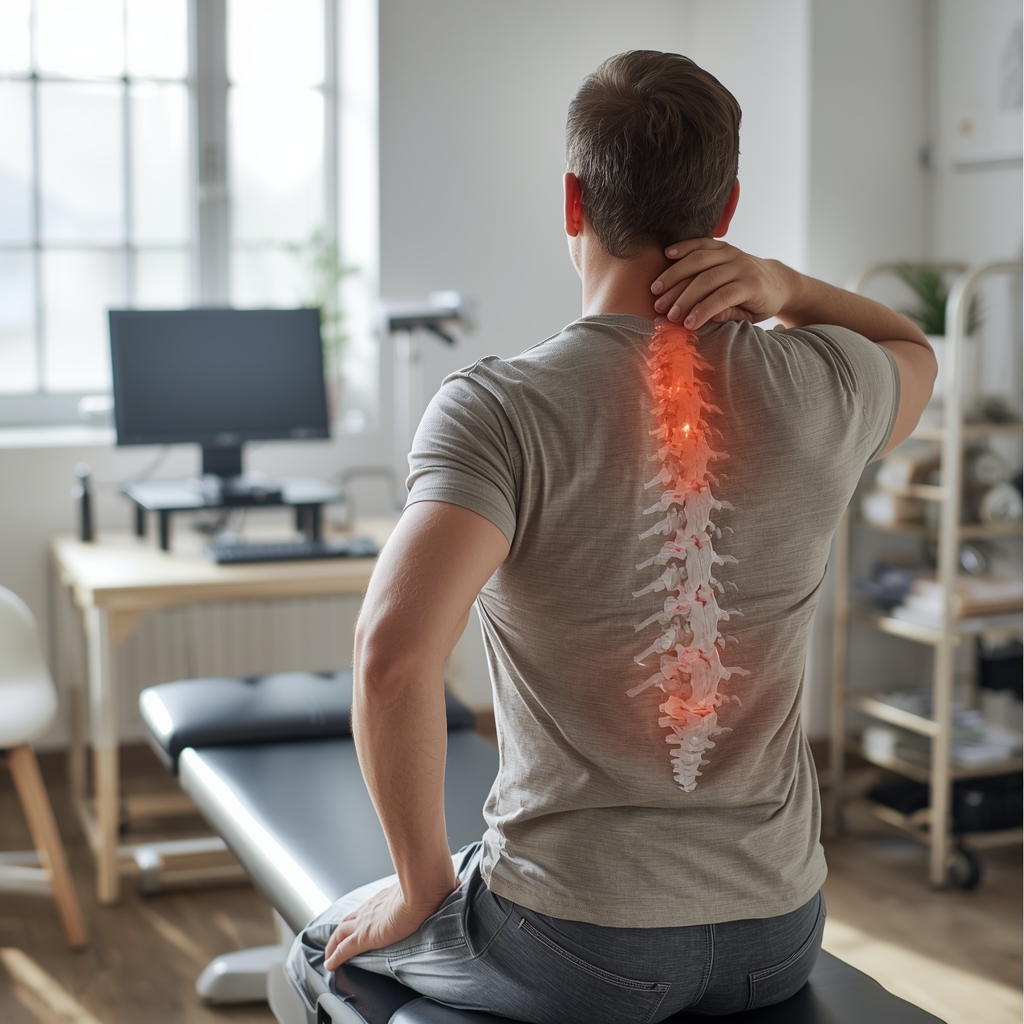
Understanding Spinal Stenosis and Its Impact
Spinal stenosis occurs when the spaces within the spine narrow, compressing the spinal cord and nerves. This condition often causes pain, numbness, and weakness in the legs, back, or arms. While surgical options exist, many seek non-surgical alternatives like chiropractic care. Chiropractors focus on improving spinal alignment and function, which may reduce pressure on nerves and alleviate symptoms. Patients often explore these approaches to avoid invasive procedures or as complementary care. Understanding how chiropractic adjustments and decompression therapy work can help individuals make informed decisions about their treatment plans.
How Chiropractic Adjustments Work
Chiropractic adjustments involve manual manipulations to realign the spine and restore proper function. For spinal stenosis, these adjustments aim to reduce pressure on compressed nerves by improving spinal curvature and mobility. By addressing misalignments, chiropractors may help ease pain and improve nerve communication. However, adjustments are tailored to each patient’s condition, ensuring safety and effectiveness. While not a cure, many find relief through regular sessions. It’s important to consult a licensed chiropractor to determine if adjustments are suitable for their specific case, as improper techniques could worsen symptoms.
Decompression Therapy for Spinal Stenosis
Decompression therapy uses specialized equipment to gently stretch the spine, creating space between vertebrae. This process can relieve pressure on nerves and discs, potentially reducing pain and inflammation. For spinal stenosis, decompression may help by decompressing the spinal canal and improving blood flow to affected areas. Sessions are typically non-invasive and painless, with patients lying on a table while the device applies controlled traction. While research on its effectiveness varies, many report improved mobility and reduced discomfort. As with other treatments, results depend on individual factors, and a chiropractor can guide whether this therapy aligns with a patient’s needs.
Combining Adjustments and Decompression Therapy
Some chiropractors integrate adjustments with decompression therapy to address spinal stenosis from multiple angles. Adjustments may correct misalignments, while decompression relieves nerve pressure. This combined approach could enhance mobility and reduce symptoms more effectively than either method alone. However, the specific techniques and frequency depend on the patient’s condition and the chiropractor’s expertise. It’s crucial to work with a provider experienced in both modalities to ensure safety and optimal outcomes. Patients should discuss their goals and concerns during consultations to create a personalized treatment plan that suits their unique situation.
What to Expect During Treatment
Patients undergoing chiropractic care for spinal stenosis can expect a thorough evaluation to assess their condition. Initial sessions may focus on gentle adjustments and decompression to gauge effectiveness. Over time, the chiropractor may adjust techniques based on progress and feedback. Some may experience temporary discomfort or soreness, but this usually subsides. Consistency is key, as long-term benefits often require multiple visits. It’s important to communicate openly with the provider about any changes in symptoms. While results vary, many find these therapies help manage symptoms and improve quality of life when used alongside other recommended care strategies.
Consulting a Qualified Chiropractor
Choosing a licensed chiropractor with experience in spinal stenosis is essential for safe and effective care. A qualified provider will conduct a comprehensive assessment and develop a treatment plan tailored to the patient’s needs. They can also address concerns about risks, benefits, and expected outcomes. While chiropractic care may complement other treatments, it should not replace medical advice from a primary care physician or specialist. Patients should discuss their full medical history and current symptoms to ensure all approaches are coordinated. By working with a trusted professional, individuals can explore non-surgical options that may help alleviate spinal stenosis symptoms and support long-term spinal health.












