
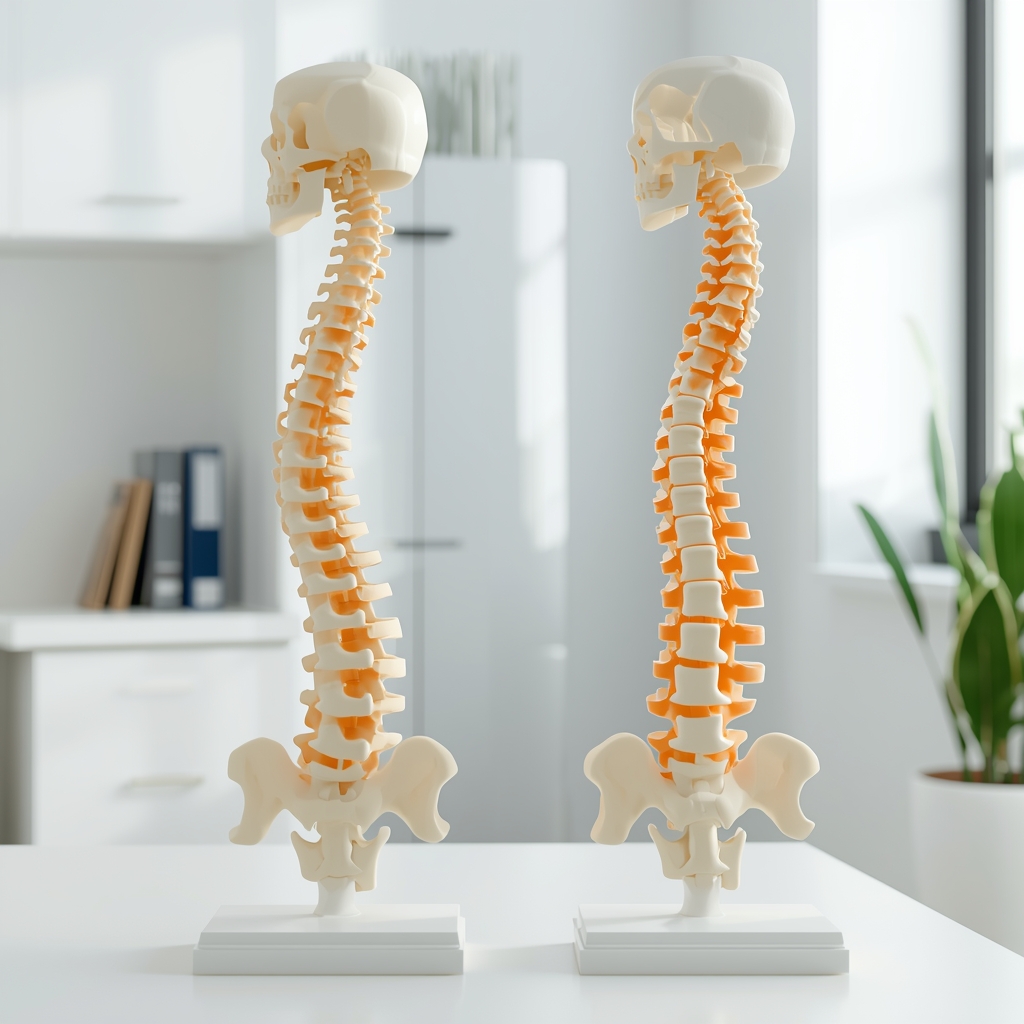
Introduction to 3D Models in Chiropractic Education
3D anatomical models offer chiropractors a dynamic way to explain complex spinal mechanics to patients. These tools provide a tangible, visual representation of the spine’s structure, allowing individuals to grasp concepts like vertebrae alignment, disc function, and nerve pathways. By transforming abstract medical terminology into visible, interactive elements, 3D models bridge the gap between professional knowledge and patient understanding. This approach is particularly valuable when discussing conditions such as herniated discs, spinal stenosis, or misalignments, as patients can see how these issues impact their bodies. The use of such models aligns with broader efforts to improve patient engagement and informed decision-making in healthcare.
Visualizing Spinal Mechanics
Spinal mechanics involve intricate movements and relationships between bones, muscles, and nerves. 3D models enable chiropractors to demonstrate these dynamics in real time, showing how the spine bends, twists, and supports the body. For example, a model can illustrate the intervertebral discs’ role in shock absorption or the facet joints’ contribution to spinal stability. Patients can observe how misalignments might restrict motion or compress nerves, making abstract concepts like subluxations more concrete. This visual learning tool helps patients connect their symptoms to anatomical structures, fostering a deeper understanding of their condition and the purpose of chiropractic care.
Enhancing Patient Communication
Effective communication is critical in chiropractic care, and 3D models serve as a universal language for patients of all backgrounds. By using these tools, chiropractors can avoid jargon and instead guide patients through clear, visual explanations. For instance, a model can show how a bulging disc might press on a nerve, causing radiating pain. This method reduces confusion and empowers patients to ask informed questions about their treatment. Additionally, 3D models can be used to demonstrate how adjustments or therapies address specific issues, reinforcing the rationale behind recommended interventions. Such transparency builds trust and encourages active participation in the healing process.
Interactive Learning Opportunities
3D anatomical models transform passive learning into an interactive experience. Patients can manipulate digital or physical models to explore the spine from multiple angles, zooming in on specific regions or viewing cross-sections. This hands-on approach caters to visual and kinesthetic learners, making it easier for individuals to retain information. For example, a patient might physically rotate a model to see how poor posture affects spinal curvature. Such engagement not only improves comprehension but also makes consultations more memorable. By allowing patients to “see” their anatomy in action, chiropractors foster a sense of ownership over their health and treatment plans.
Supporting Treatment Plans
3D models can play a pivotal role in explaining and reinforcing chiropractic treatment plans. During consultations, chiropractors can use these tools to show how adjustments aim to restore proper alignment and function. For instance, a model might illustrate how a misaligned vertebrae contributes to pain and how a specific adjustment can alleviate that pressure. Patients who understand the mechanics behind their care are more likely to adhere to recommendations and participate in follow-up visits. Additionally, 3D models can help set realistic expectations about recovery timelines and the importance of consistent care, strengthening the patient-provider partnership.
Considerations for Effective Use
While 3D models are valuable, their effectiveness depends on proper implementation. Chiropractors should ensure the models are accurate, up-to-date, and relevant to the patient’s condition. Training staff to use these tools effectively is also essential, as is integrating them into standard consultations. Additionally, not all patients may benefit equally—some may prefer verbal explanations or written materials. Chiropractors should remain flexible, using 3D models as one of many educational tools rather than a one-size-fits-all solution. When used thoughtfully, these models enhance patient education without replacing the personalized care that defines chiropractic practice.












