
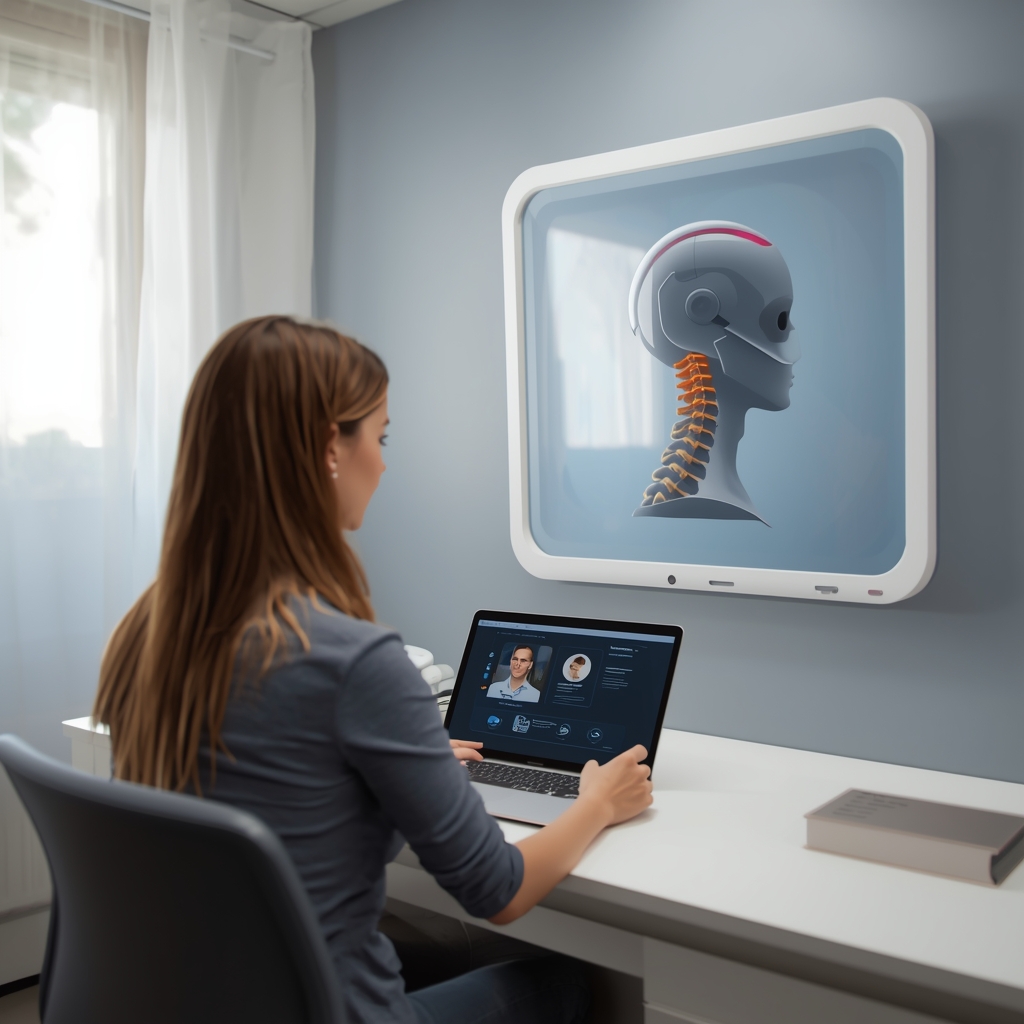
Introduction to AI in Chiropractic Education
Chiropractic schools are increasingly exploring ways to modernize their curricula by incorporating emerging technologies like artificial intelligence (AI). These innovations aim to enhance student learning, improve diagnostic accuracy, and prepare future chiropractors for a rapidly evolving healthcare landscape. AI tools can analyze vast amounts of data, simulate clinical scenarios, and provide personalized feedback, offering new opportunities for hands-on training. As the demand for tech-driven healthcare solutions grows, chiropractic education is adapting to ensure graduates are proficient in both traditional techniques and digital tools. This shift reflects a broader trend in medical education, where technology is reshaping how knowledge is acquired and applied.
AI-Driven Anatomical Studies
One of the most promising applications of AI in chiropractic education is its role in anatomical studies. Interactive AI platforms can generate 3D models of the human spine, allowing students to explore complex structures in detail. These tools enable learners to manipulate virtual models, visualize biomechanics, and practice identifying abnormalities. By integrating AI with augmented reality (AR), students can overlay digital information onto physical cadavers or mannequins, enhancing their understanding of spinal alignment and nerve pathways. Such technologies provide a dynamic alternative to traditional textbooks, fostering deeper engagement and retention of anatomical concepts critical to chiropractic practice.
Virtual Reality for Spinal Assessments
Virtual reality (VR) is another technology gaining traction in chiropractic training. Schools are using VR simulations to teach students how to perform spinal assessments and adjustments in a risk-free environment. These immersive experiences allow learners to practice patient interactions, refine their technique, and receive real-time feedback from AI systems. For example, VR can simulate various patient conditions, helping students develop diagnostic skills without the pressure of real-world clinical settings. By replicating diverse scenarios, VR prepares students to handle complex cases confidently, bridging the gap between theoretical knowledge and practical application.
Data Analytics for Personalized Learning
AI-powered data analytics are being used to tailor educational experiences to individual student needs. By tracking performance metrics, these systems identify areas where learners may struggle and suggest targeted resources or additional practice. This personalized approach helps students master challenging concepts at their own pace, improving overall comprehension. For instance, AI can analyze a student’s progress in adjusting techniques and recommend specific exercises to strengthen their skills. Such adaptive learning tools ensure that each student receives the support they need, fostering a more efficient and effective educational journey.
Ethical Considerations and Human Oversight
While AI offers significant benefits, its integration into chiropractic education raises ethical questions. Students and educators must ensure that technology complements—not replaces—human expertise. Over-reliance on AI could diminish the development of critical thinking and clinical judgment, which are essential for effective patient care. Additionally, data privacy and algorithmic bias are concerns that require careful management. Chiropractic schools are addressing these challenges by emphasizing the importance of human oversight, encouraging students to use AI as a supportive tool rather than a substitute for hands-on experience and professional intuition.
Preparing for a Tech-Integrated Future
The integration of AI and other technologies into chiropractic education is a proactive step toward preparing graduates for modern healthcare demands. As these tools become more sophisticated, they will likely play an even greater role in training future chiropractors. However, the core principles of patient-centered care and manual expertise remain unchanged. By balancing technological advancements with traditional teaching methods, chiropractic schools ensure that students are well-equipped to deliver high-quality, evidence-based care. This evolution reflects the profession’s commitment to innovation while maintaining its foundational values of holistic health and patient safety.















