
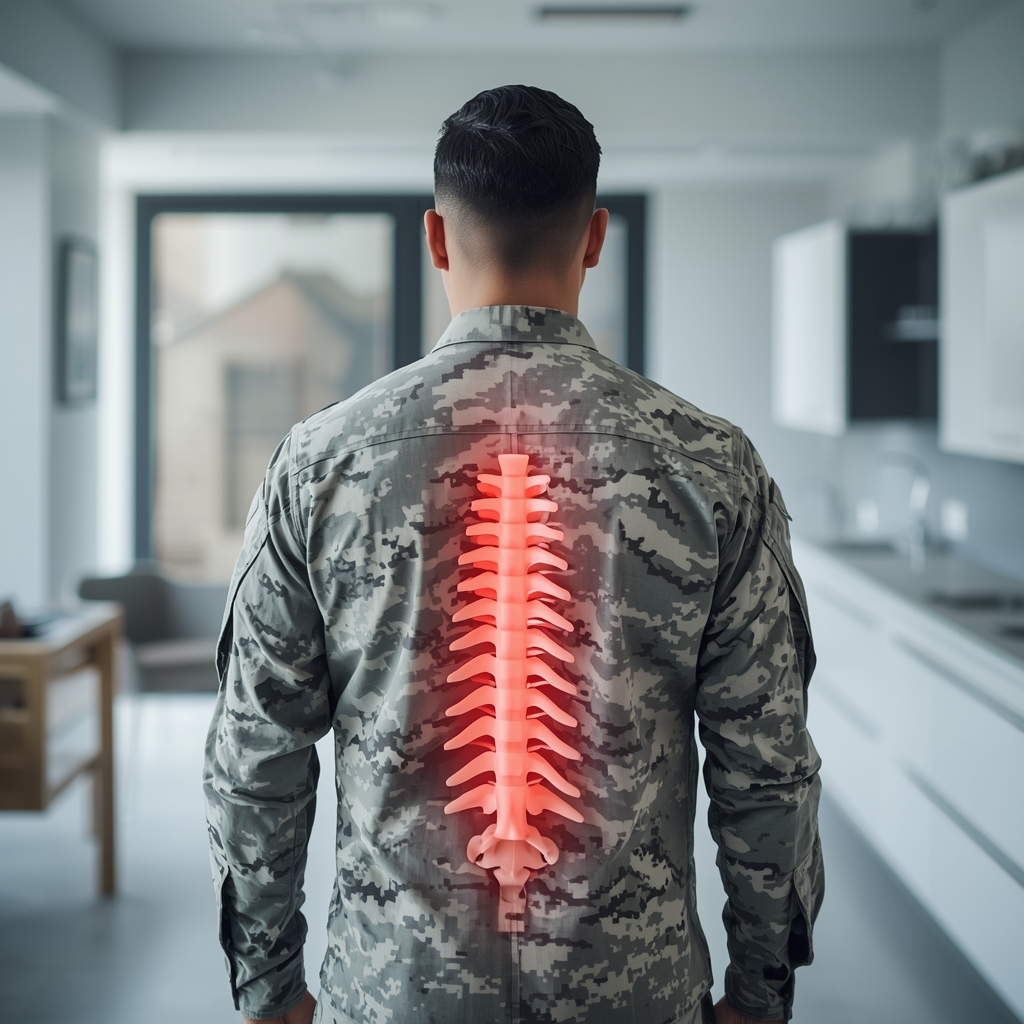
Understanding Combat-Related Spinal Injuries
Combat environments often expose military personnel to high-impact trauma, leading to spinal injuries that differ from typical workplace or accident-related damage. These injuries may involve fractures, disc herniations, or soft tissue damage from explosions, falls, or direct blows. The spine’s complex structure, including vertebrae, discs, and nerves, requires specialized care to restore function and alleviate pain. Chiropractic care focuses on realigning the spine, reducing pressure on nerves, and promoting natural healing. This approach is particularly valuable for addressing the unique challenges of combat injuries, which can lead to long-term mobility issues or chronic pain if not properly managed. By prioritizing non-invasive, holistic methods, chiropractors aim to support recovery while minimizing reliance on medications or surgeries.
How Chiropractic Adjustments Address Combat Injuries
Spinal adjustments are a cornerstone of chiropractic care, designed to correct misalignments (subluxations) that may occur during combat. These adjustments can relieve pressure on nerves, improve joint mobility, and reduce inflammation, which are critical for recovery. For military personnel, this may help restore balance to the musculoskeletal system after traumatic events. Techniques like diversified adjustments or activator methods are often used to gently reposition vertebrae, enhancing the body’s ability to heal. By addressing structural imbalances, chiropractors may also support the nervous system’s role in regulating pain and facilitating recovery. This targeted approach can be especially beneficial for injuries that affect the cervical, thoracic, or lumbar regions, common in combat scenarios. However, care is tailored to each individual’s condition, ensuring safety and effectiveness.
Managing Chronic Pain Through Chiropractic Care
Chronic pain is a pervasive issue among veterans, often stemming from unresolved spinal injuries or lingering inflammation. Chiropractic care offers a non-pharmacological alternative to manage this pain by addressing its root causes. Regular adjustments can reduce nerve irritation, improve posture, and enhance spinal stability, all of which contribute to long-term pain relief. Additionally, chiropractors may incorporate therapies like soft tissue work or rehabilitative exercises to strengthen affected areas. This multifaceted approach can decrease reliance on pain medications, including opioids, which carry risks of dependency. For military personnel, this holistic strategy supports not only physical recovery but also mental well-being, as chronic pain often impacts mood and quality of life. By focusing on the body’s natural healing mechanisms, chiropractic care provides a sustainable option for managing persistent discomfort.
Supporting Overall Wellness and Recovery
Chiropractic care extends beyond pain management, emphasizing the body’s innate ability to heal itself. For military personnel, this philosophy aligns with the goal of restoring full functionality after injury. By improving spinal alignment, chiropractors can enhance nervous system communication, which plays a vital role in regulating bodily functions. This may lead to better sleep, reduced stress, and improved immune response—factors that support overall recovery. Additionally, chiropractors often provide guidance on lifestyle adjustments, such as ergonomic practices or exercise routines, to prevent further injury. For veterans dealing with the long-term effects of combat, these supportive measures can foster resilience and long-term wellness. The emphasis on non-invasive, patient-centered care makes chiropractic a valuable complement to traditional medical treatments.
Integrating Chiropractic with Other Treatments
Chiropractic care is often most effective when integrated with other medical and therapeutic approaches. For military personnel, this may involve collaboration with physical therapists, pain specialists, or rehabilitation experts to create a comprehensive recovery plan. Chiropractors may refer patients to these professionals or work alongside them to address specific needs, such as strengthening weakened muscles or improving range of motion. Complementary therapies like acupuncture, massage, or hydrotherapy can also enhance outcomes by targeting different aspects of healing. This multidisciplinary approach ensures that care is tailored to the individual’s unique condition and goals. However, it is essential for patients to consult qualified healthcare providers to determine the best combination of treatments. Open communication between all parties involved helps optimize results while prioritizing safety and efficacy.
Conclusion: A Holistic Path to Recovery
Chiropractic care offers military personnel a valuable, non-invasive option for recovering from combat-related spinal injuries and managing chronic pain. By focusing on spinal alignment, nerve function, and overall wellness, chiropractors help address the complex needs of those who have served. This approach not only supports physical recovery but also contributes to long-term health and quality of life. While individual results may vary, many veterans find chiropractic care beneficial when integrated with other treatments. As with any healthcare decision, it is crucial to consult a licensed chiropractor and other medical professionals to develop a personalized plan. For those seeking alternatives to medication or surgery, chiropractic care provides a promising path toward healing and resilience.












