
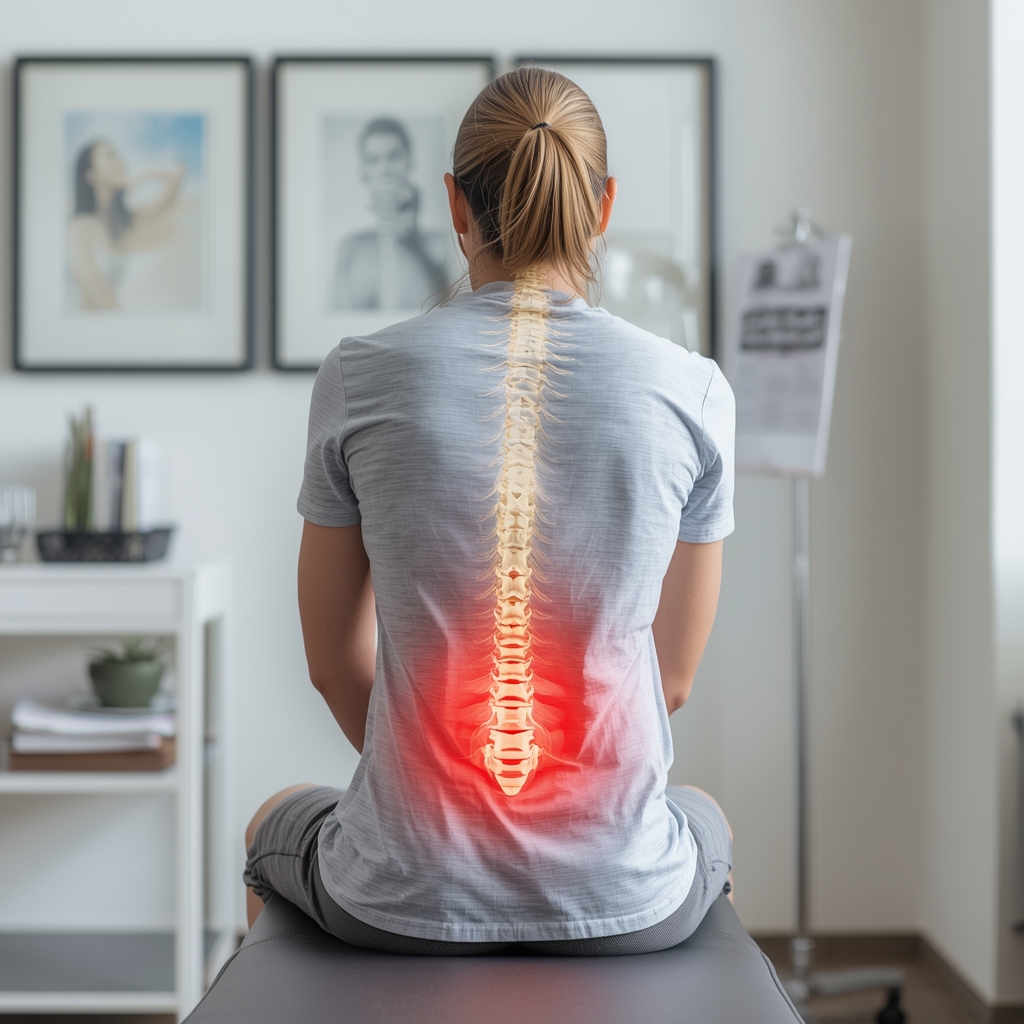
Understanding Myofascial Adhesions and Chronic Lower Back Pain
Myofascial adhesions are bands of rigid, fibrous tissue that form within the muscles and their surrounding fascia, often due to repetitive strain, poor posture, or lack of movement. Prolonged sitting, a common issue for desk workers, can lead to chronic lower back pain by compressing the lumbar spine and restricting blood flow to the muscles. Over time, this creates a cycle of tension, reduced flexibility, and persistent discomfort. These adhesions limit the natural glide between muscle layers, contributing to pain and restricted motion. While rest and stretching may offer temporary relief, they often fail to address the root cause. Understanding how these adhesions develop is key to exploring targeted treatments like Active Release Technique (ART), which focuses on breaking down these restrictions to restore function and alleviate pain.
How Active Release Technique Targets Myofascial Adhesions
Active Release Technique (ART) is a soft tissue therapy that uses precise, hands-on pressure and patient movement to identify and treat adhesions. Practitioners apply tension to the affected area while the patient actively moves the muscle, allowing the therapist to detect and release restrictions. This method specifically targets the myofascial layers, breaking up scar tissue and restoring normal muscle function. By addressing the root cause of pain—adhesions rather than just symptoms—ART can improve flexibility, reduce inflammation, and enhance recovery. The technique is particularly effective for chronic conditions where traditional methods fall short. It is often used alongside other therapies to maximize results, offering a non-invasive option for patients seeking relief from persistent lower back pain caused by myofascial restrictions.
The Role of Prolonged Sitting in Myofascial Restrictions
Prolonged sitting places continuous pressure on the lower back, leading to muscle imbalances and fascial tightness. When seated for extended periods, the hip flexors shorten, and the glutes and core muscles become underactive, altering biomechanics and increasing strain on the lumbar spine. This posture also compresses the intervertebral discs and restricts circulation, contributing to the formation of myofascial adhesions. Over time, these changes create a feedback loop of pain and stiffness, making it difficult to maintain proper posture or engage in movement. Without intervention, the adhesions can worsen, leading to chronic discomfort and reduced mobility. Addressing these restrictions requires targeted approaches like ART, which can help restore balance and function to the affected muscles and fascia, breaking the cycle of pain associated with sedentary lifestyles.
Benefits of ART for Chronic Lower Back Pain
ART offers several advantages for individuals suffering from chronic lower back pain linked to myofascial adhesions. By releasing restrictive scar tissue, the technique can significantly reduce pain and improve range of motion. Patients often experience faster recovery and enhanced muscle function, allowing them to return to daily activities with greater ease. ART also promotes better blood flow and lymphatic drainage, which aids in reducing inflammation and accelerating healing. Unlike some treatments that only mask symptoms, ART addresses the underlying cause of discomfort, offering long-term relief. Many patients report increased flexibility and reduced stiffness after sessions, making it a valuable option for those dealing with persistent pain. However, results vary, and it is essential to consult a qualified chiropractor to determine if ART is the right approach for individual needs.
Integrating ART with Other Therapies for Comprehensive Care
While Active Release Technique is effective on its own, combining it with other therapies can enhance outcomes for chronic lower back pain. Chiropractic adjustments, for example, can realign the spine and improve nerve function, complementing ART’s focus on soft tissue. Physical therapy exercises may also be recommended to strengthen core muscles and improve posture, addressing the root causes of myofascial restrictions. Ergonomic adjustments to workspaces can further prevent recurrence by reducing strain on the lower back. A holistic approach ensures that both the structural and functional aspects of pain are addressed. Patients may also benefit from complementary treatments like massage or heat therapy to relax tight muscles. By integrating multiple strategies, individuals can achieve more sustainable relief and long-term improvements in mobility and comfort.
Consulting a Chiropractor for Personalized Care
Every patient’s experience with chronic lower back pain is unique, making personalized care essential. A chiropractor can assess the specific causes of myofascial adhesions and determine if ART is an appropriate treatment. During an evaluation, the practitioner may identify areas of restriction and develop a tailored plan that may include ART, adjustments, or other therapies. Open communication with a healthcare provider ensures that the treatment aligns with the patient’s goals and lifestyle. It is important to note that while ART can be highly effective, it is not a one-size-fits-all solution. A qualified chiropractor will guide patients through the process, monitoring progress and adjusting the approach as needed. For those seeking relief from chronic pain, working with a professional ensures safe, effective, and individualized care that addresses both symptoms and underlying issues.













