
Understanding IT Band Syndrome and Its Impact on Athletes
Iliotibial Band Syndrome (ITBS) is a common overuse injury among athletes, particularly runners, cyclists, and hikers. The iliotibial band, a thick band of fascia running from the hip to the knee, becomes irritated due to repetitive friction against the femur. This leads to pain on the outer knee, which can worsen with activity. Athletes often experience discomfort during movements like running, climbing, or even sitting for long periods. The condition is frequently linked to factors such as poor biomechanics, muscle imbalances, or excessive training. While rest and ice may provide temporary relief, targeted interventions are often necessary to address the root cause. Active Release Technique (ART) has emerged as a promising approach for managing ITBS by addressing soft tissue restrictions and restoring normal function. Understanding the role of ART in treating this condition is essential for athletes seeking effective, non-invasive solutions.
The Role of Active Release Technique in Soft Tissue Rehabilitation
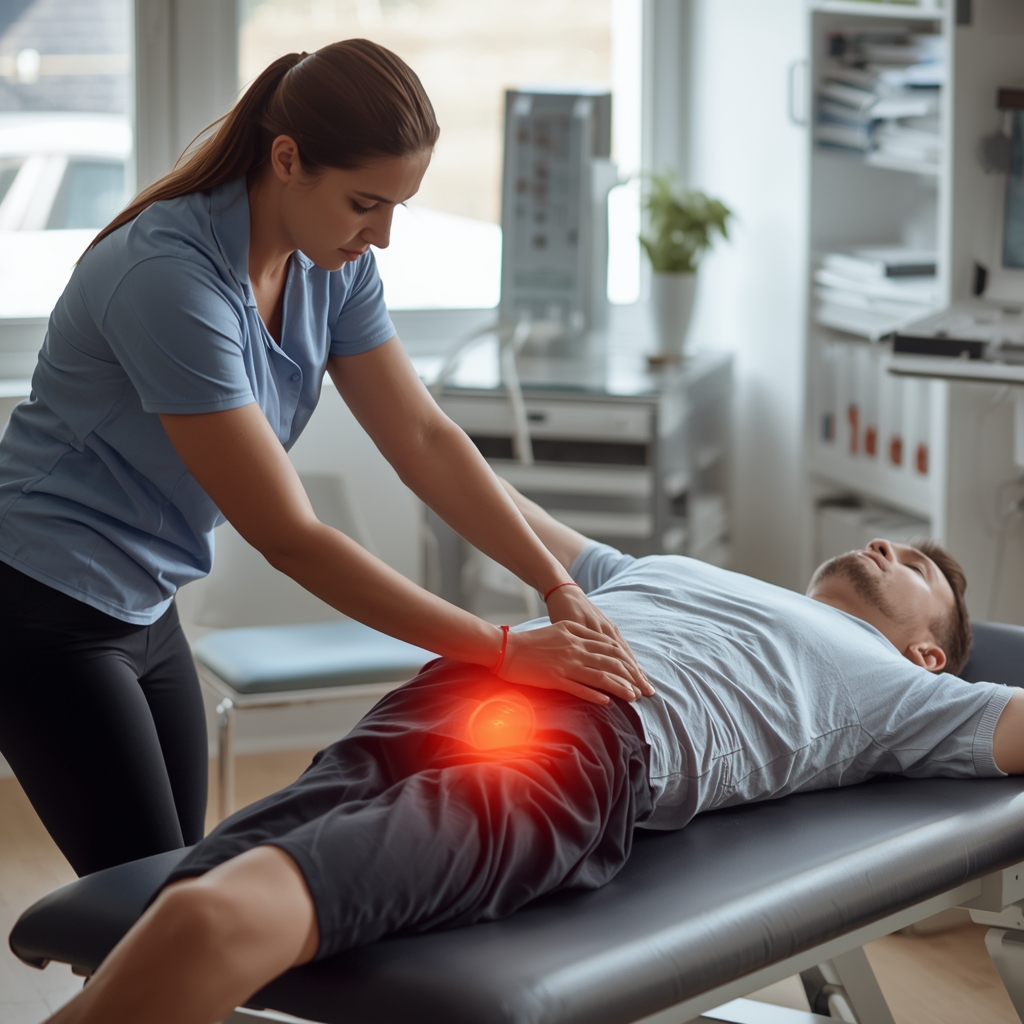
Active Release Technique (ART) is a specialized soft tissue therapy designed to identify and treat adhesions, scar tissue, and restrictions in muscles, tendons, and ligaments. Unlike traditional massage, ART combines examination and treatment, allowing practitioners to isolate specific areas of dysfunction. For ITBS, ART focuses on the iliotibial band and surrounding musculature, such as the gluteus maximus and tensor fasciae latae. By applying precise pressure while the patient actively moves the affected limb, ART helps break down adhesions and restore normal tissue mobility. This process can reduce inflammation, alleviate pain, and improve biomechanics. Athletes often benefit from ART because it addresses both the immediate symptoms and underlying causes of ITBS, making it a valuable tool in rehabilitation. The technique’s emphasis on functional movement aligns with the needs of active individuals seeking to return to their sport safely.
Key ART Applications for IT Band Syndrome
Several specific ART applications are particularly effective for treating ITBS. One common approach involves targeting the iliotibial band itself, using cross-fiber friction to release adhesions along its length. Practitioners may also focus on the tensor fasciae latae, a muscle that frequently contributes to ITBS due to overactivity or tightness. Another technique involves addressing the gluteus maximus, as weakness or restriction in this muscle can alter gait mechanics and strain the IT band. Additionally, ART may be applied to the hip flexors and hamstrings, which can become compensatory tightness when the IT band is dysfunctional. These applications are tailored to the athlete’s specific needs, often requiring multiple sessions for optimal results. By systematically addressing these areas, ART helps restore balance and function, reducing the likelihood of recurring symptoms.
How ART Complements Other Therapies for Athletes
ART is often used in conjunction with other treatments to enhance recovery for athletes with ITBS. For example, combining ART with stretching and strengthening exercises can improve flexibility and muscle balance, addressing both the immediate and long-term causes of the condition. Physical therapy modalities like ultrasound or electrical stimulation may also be integrated to reduce inflammation and promote tissue healing. Additionally, athletes may benefit from gait analysis and orthotic recommendations to correct biomechanical imbalances. ART’s hands-on approach makes it a versatile tool that can be adapted to individual needs, whether used alone or as part of a multidisciplinary plan. This holistic strategy ensures that athletes receive comprehensive care, minimizing downtime and reducing the risk of future injuries. By working alongside other therapies, ART helps athletes return to their sport with improved performance and reduced pain.
Considerations for Athletes Undergoing ART Treatment
While ART is generally safe and effective, athletes should be aware of certain considerations when undergoing treatment for ITBS. It is crucial to consult a licensed chiropractor or healthcare provider with experience in ART to ensure proper technique and avoid complications. Some athletes may experience temporary soreness or bruising after sessions, which typically resolves within a few days. Consistency is key, as multiple sessions are often required to achieve lasting results. Athletes should also communicate openly with their practitioner about their training schedules and goals to tailor the treatment plan effectively. Additionally, incorporating home care strategies—such as self-myofascial release with a foam roller or stretching routines—can enhance the benefits of ART. By approaching treatment collaboratively, athletes can maximize outcomes and reduce the likelihood of re-injury. Proper adherence to the care plan is essential for long-term success.
Conclusion: Integrating ART into Athletic Recovery Protocols
Active Release Technique offers a targeted, effective approach to managing IT Band Syndrome in athletes. By addressing soft tissue restrictions and restoring normal biomechanics, ART helps alleviate pain and improve function, enabling athletes to return to their sport more quickly. Its applications are versatile, allowing practitioners to tailor treatment to individual needs and complement other therapies. For athletes, the key to success lies in early intervention, consistent care, and a proactive approach to recovery. While ART is not a standalone solution, it plays a vital role in comprehensive injury management. As research continues to validate its efficacy, more athletes are turning to ART as a valuable tool in their rehabilitation arsenal. With the right guidance and commitment, athletes can overcome ITBS and maintain optimal performance.














