
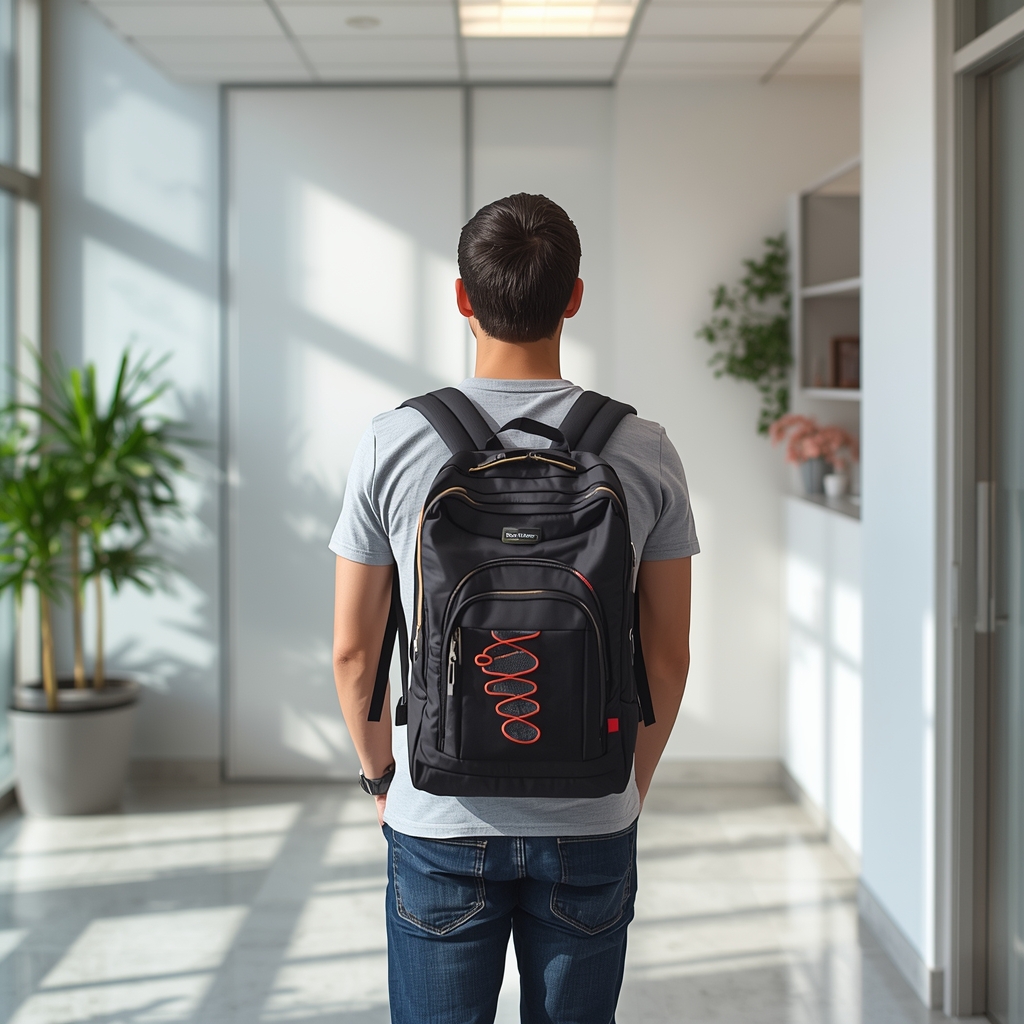
Pack Smart, Move Smart
Traveling during the holidays often involves lugging heavy bags, navigating crowded spaces, and sitting for extended periods. Chiropractors recommend packing strategically to reduce strain. Use rolling suitcases with sturdy wheels to minimize lifting, and distribute weight evenly between bags to avoid uneven posture. When lifting, bend at the knees, keep the back straight, and use leg strength rather than torso force. For long car rides, take frequent breaks to stretch and walk around, preventing stiffness in the neck, shoulders, and lower back. Adjust seat positions to maintain natural spinal alignment, and consider using a lumbar support cushion. These simple steps can help maintain mobility and reduce the risk of acute injuries during travel.
Stay Active During Long Trips
Remaining sedentary during travel increases the likelihood of muscle tightness and joint discomfort. Chiropractors advise incorporating movement into travel routines. For road trips, stop every hour to do gentle stretches—neck rolls, shoulder shrugs, and seated forward folds can alleviate tension. Air travelers should walk the aisles periodically to promote circulation and reduce swelling. Simple exercises like ankle circles or calf raises while seated also help. Staying active supports proper blood flow and reduces the risk of conditions like deep vein thrombosis. Additionally, maintaining hydration and avoiding excessive caffeine or alcohol can prevent dehydration, which may exacerbate muscle cramps. These habits ensure travelers arrive at their destinations feeling refreshed and less prone to strain.
Ergonomic Setup at Gatherings
Family gatherings often involve prolonged sitting at tables, which can lead to poor posture and discomfort. Chiropractors suggest optimizing seating arrangements to support the spine. Choose chairs with adequate backrests and avoid slouching or crossing legs, which can compress nerves and restrict circulation. If using a couch, place a small pillow behind the lower back for lumbar support. For those with existing back issues, consider using a supportive mat or cushion. When standing for long periods, shift weight between feet and avoid locking knees. Proper ergonomics during gatherings helps prevent acute pain and chronic postural imbalances, allowing patients to enjoy events without discomfort.
Lift with Care, Not Force
Heavy lifting—whether moving furniture, carrying groceries, or handling holiday decorations—poses a common risk for strains. Chiropractors emphasize proper lifting techniques to protect the spine. Always assess the weight before lifting, and if unsure, ask for help. Keep the object close to the body, engage core muscles, and lift with the legs, not the back. Avoid twisting the torso while lifting; instead, pivot the feet to change direction. For repetitive tasks like unpacking or setting up decorations, take breaks to rest muscles and stretch. These practices reduce the likelihood of acute injuries like herniated discs or muscle tears, ensuring patients can participate in holiday activities without pain.
Hydrate and Fuel Your Body
Proper nutrition and hydration are critical for maintaining energy and preventing holiday-related strains. Dehydration can lead to muscle cramps and fatigue, increasing the risk of accidents. Chiropractors recommend drinking water regularly, especially during travel or when consuming alcohol or caffeine. Balanced meals with protein, complex carbohydrates, and healthy fats sustain energy levels and support muscle function. Avoid overeating, which can cause discomfort and sluggishness. For those with dietary restrictions, planning meals in advance ensures nutritional needs are met. Staying hydrated and nourished helps the body recover from physical demands, reducing the likelihood of strain and promoting overall well-being during festivities.
Schedule a Check-Up Before the Rush
Proactive care can prevent holiday-related injuries. Chiropractors advise scheduling a preventive visit before the busy season to address existing issues. A check-up may include spinal adjustments, soft tissue therapy, or personalized exercise recommendations to improve mobility and resilience. Patients with chronic conditions like arthritis or sciatica can benefit from tailored strategies to manage symptoms. This preparation helps the body handle the physical demands of travel, lifting, and long hours at gatherings. By addressing potential problems early, patients reduce the risk of acute flare-ups and enjoy the holidays with greater comfort and confidence.












