
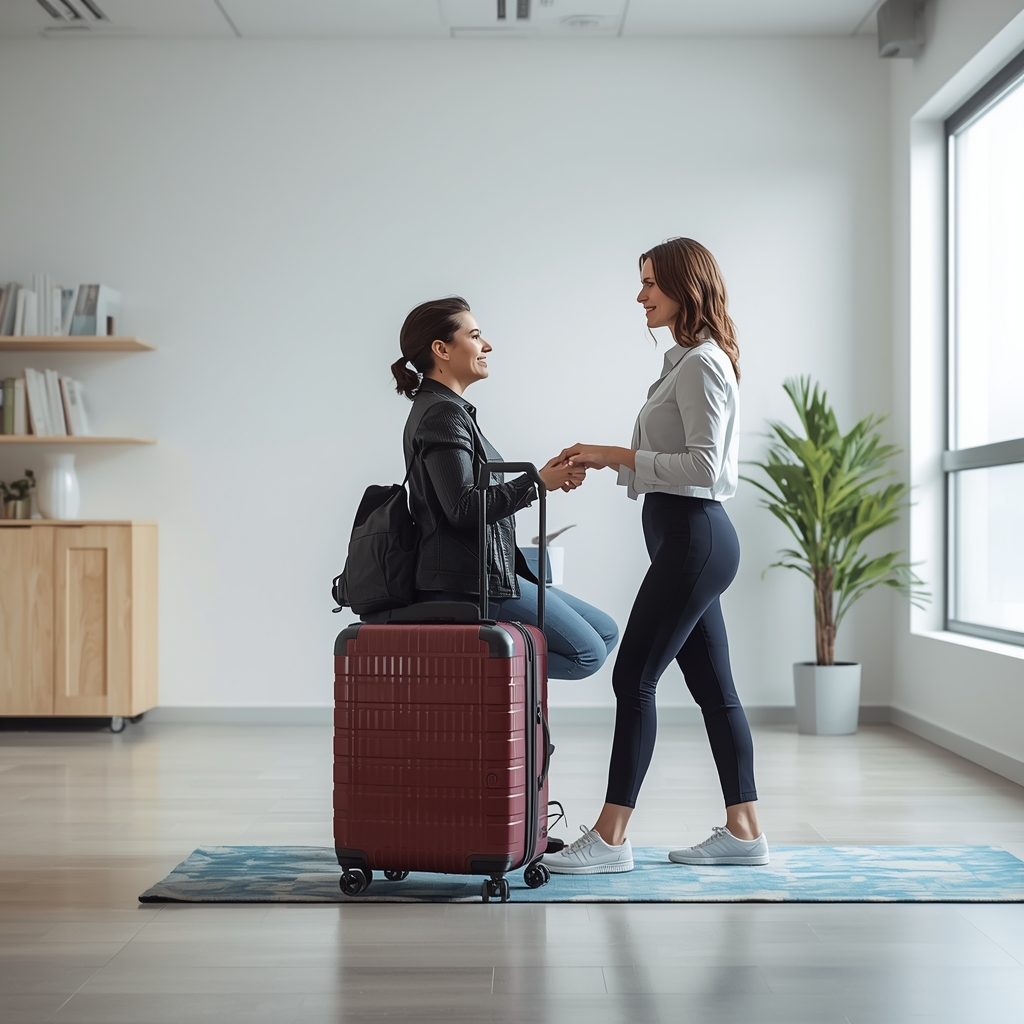
Ergonomic Adjustments for Travel Comfort
During holiday travel, prolonged sitting in cars, planes, or trains can strain the spine and joints. Chiropractors often recommend ergonomic adjustments to mitigate this. For example, using a lumbar support cushion helps maintain the natural curve of the lower back while seated. Adjusting seat height and backrest angle ensures proper posture, reducing pressure on the hips and spine. Travelers should also avoid crossing legs or slouching, as these positions can compress nerves and hinder circulation. When carrying luggage, lifting with the legs rather than the back prevents strain on the lower back. Regular movement, such as standing and stretching every hour, promotes blood flow and reduces stiffness. These simple adjustments can significantly lower the risk of seasonal strain during long journeys.
Stretching Routines for Holiday Activities
Family gatherings often involve activities like cooking, decorating, or playing games, which can lead to repetitive strain or sudden movements. Chiropractors may suggest incorporating short stretching routines to prepare the body. Gentle neck rolls, shoulder shrugs, and wrist stretches can alleviate tension from prolonged screen time or manual tasks. For those lifting heavy items, a dynamic warm-up focusing on the back, legs, and core helps prevent injuries. Stretches targeting the hips and hamstrings are especially useful for individuals spending long hours sitting during travel. Consistent stretching improves flexibility and reduces the likelihood of muscle imbalances. By integrating these exercises into daily routines, individuals can maintain mobility and minimize discomfort during holiday events.
Posture Tips for Dining and Socializing
Overeating and poor posture during meals can contribute to digestive issues and spinal strain. Chiropractors advise maintaining an upright sitting position with feet flat on the floor to support the lower back. Avoiding slouching or leaning forward while eating helps prevent neck and shoulder tension. When standing for extended periods, shifting weight between feet or placing one foot on a small stool reduces pressure on the spine. For those with existing back pain, using a supportive chair with a slight recline can ease discomfort. Additionally, taking breaks to walk around during gatherings prevents stiffness. These posture-focused strategies not only enhance comfort but also support long-term spinal health during busy holiday seasons.
Hydration and Rest for Recovery
Dehydration and lack of sleep can exacerbate physical strain, making it harder for the body to recover from daily activities. Chiropractors emphasize staying hydrated by drinking water throughout the day, as even mild dehydration affects muscle function and joint lubrication. Avoiding excessive caffeine and alcohol, which can dehydrate the body, is also recommended. Adequate rest is equally vital; aiming for 7-9 hours of sleep allows the body to repair tissues and reduce inflammation. Travelers should prioritize rest breaks during long trips and establish a consistent sleep schedule despite holiday schedules. Combining proper hydration with sufficient rest supports overall wellness, helping individuals stay resilient against seasonal strain.
Stress Management and Body Awareness
Stress from holiday obligations can manifest as physical tension, leading to headaches, muscle tightness, or exacerbated back pain. Chiropractors often guide patients in recognizing early signs of stress, such as shallow breathing or clenched jaws. Techniques like deep breathing, mindfulness, or brief meditation sessions can ease mental and physical strain. Encouraging regular self-checks—such as assessing posture or noticing fatigue—helps individuals address issues before they worsen. Engaging in light physical activity, like a short walk, also relieves stress and improves circulation. By fostering a mind-body connection, these practices empower individuals to proactively manage their health during high-pressure holiday periods.
When to Seek Professional Guidance
If seasonal strain persists or worsens despite preventive measures, consulting a chiropractor is advisable. Persistent pain, limited mobility, or recurring discomfort may indicate underlying issues requiring targeted care. Chiropractors can perform evaluations to identify misalignments or muscular imbalances contributing to strain. Customized treatment plans, including adjustments or therapeutic exercises, may be recommended. Early intervention prevents minor issues from becoming chronic. Individuals should also seek help if they experience numbness, tingling, or severe pain, which could signal nerve-related concerns. Proactive communication with a healthcare provider ensures safe and effective management of holiday-related physical challenges.












