
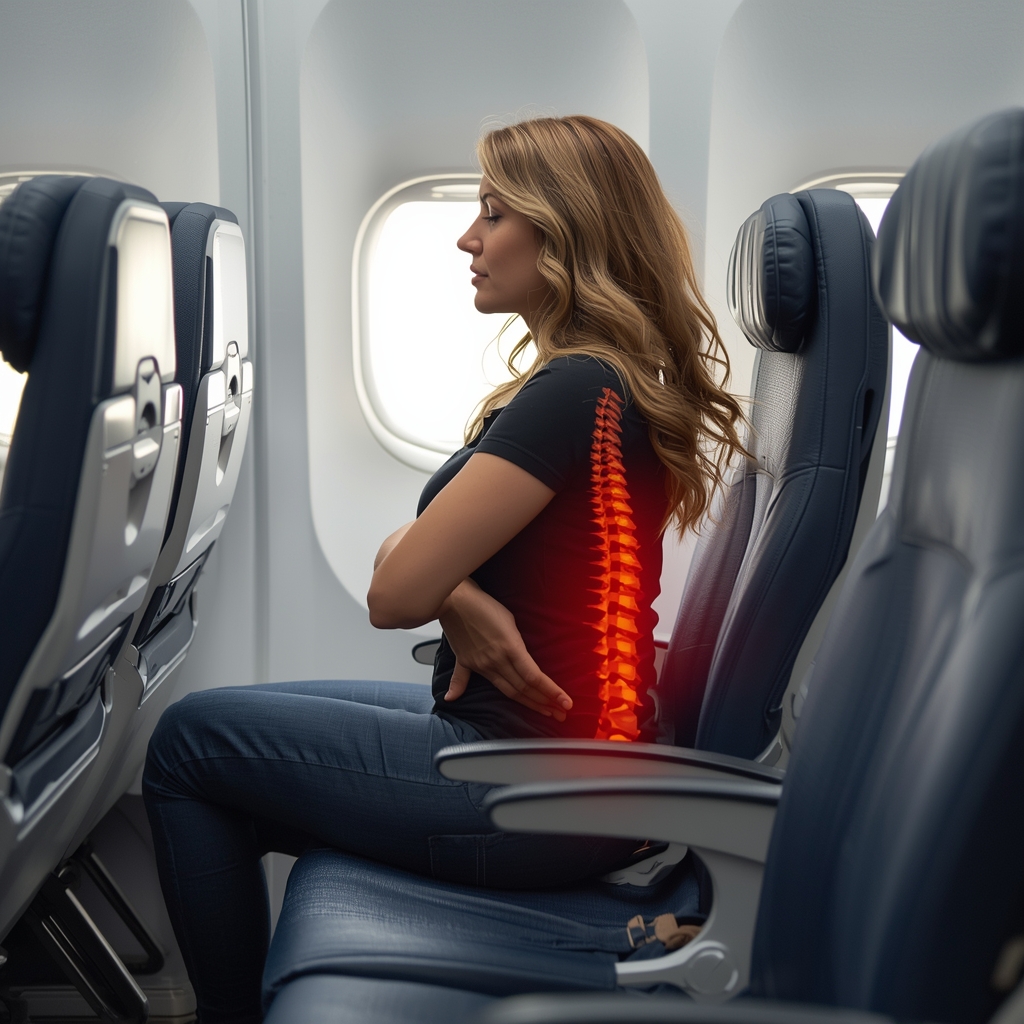
Ergonomic Seating in Vehicles
Long hours in cars, buses, or airplanes can strain the back, especially if seating isn’t optimized. Chiropractors recommend adjusting seats to support the spine’s natural curve. Use lumbar rolls or pillows to maintain the lower back’s inward curve. For flights, consider a neck pillow to prevent forward head posture, which strains cervical vertebrae. If driving, take breaks every 1-2 hours to walk and stretch. Adjust mirrors and seat height to avoid hunching. These simple steps reduce pressure on discs and muscles, minimizing post-travel discomfort. Proper seating ergonomics are a proactive way to protect spinal health during travel.
Proper Lifting Techniques
Lugging heavy luggage is a common cause of back strain. Chiropractors emphasize using the legs, not the back, when lifting. Bend at the knees, keep the object close to the body, and avoid twisting. For oversized bags, use a dolly or seek assistance. When packing, distribute weight evenly in bags to prevent imbalance. If carrying multiple items, alternate sides to avoid one-sided strain. These techniques reduce the risk of herniated discs or muscle tears. Remember, the spine is strongest when aligned, so prioritizing safe lifting habits protects it during busy travel seasons.
Maintaining Posture During Travel
Poor posture in vehicles or at airports can lead to chronic back pain. Chiropractors advise sitting with feet flat on the floor, knees at 90 degrees, and shoulders relaxed. Avoid slouching or crossing legs, which disrupts spinal alignment. For long flights, use a seatback pillow to support the lower back. When standing in lines, shift weight between feet and avoid locking knees. Even in unfamiliar environments, maintaining neutral posture reduces stress on vertebrae and surrounding muscles. Small adjustments, like keeping the chin tucked, also prevent tech neck from prolonged screen use. Consistent posture awareness is key to avoiding travel-related strain.
Stretching and Movement Breaks
Inactivity during travel stiffens muscles and tightens joints. Chiropractors recommend regular movement to keep the spine flexible. Simple stretches like neck rolls, shoulder shrugs, and seated forward bends can alleviate tension. During car trips, stop every 2 hours to walk and reset posture. On planes, extend legs, rotate ankles, and do seated twists to improve circulation. Even short walks in airports or hotels help. These exercises prevent stiffness and promote blood flow, reducing the risk of muscle spasms. Incorporating movement into travel routines supports long-term spinal health and comfort.
Sleeping Well While Traveling
Disrupted sleep patterns during travel can exacerbate back issues. Chiropractors suggest using travel-specific pillows to maintain spinal alignment, especially for neck support. Avoid sleeping on stomachs, which strain the lower back. If staying in hotels, request a firm mattress or add a mattress topper for better support. For road trips, consider a body pillow to reduce side-sleeping strain. Limit caffeine and heavy meals before bed to improve sleep quality. Adequate rest allows the body to recover from daily stresses, making it easier to maintain proper posture and movement habits during travel.
Post-Travel Recovery Tips
After long journeys, the body may need time to reset. Chiropractors recommend gentle stretching, hydration, and rest to ease tension. A short walk or yoga session can reinvigorate muscles and improve mobility. If pain persists, consult a chiropractor for personalized care. Avoid prolonged sitting or heavy lifting immediately after travel. Use heat or ice therapy to target specific areas of discomfort. Prioritizing recovery helps prevent minor strains from becoming chronic issues. These steps ensure that travel remains enjoyable without compromising spinal health.












