
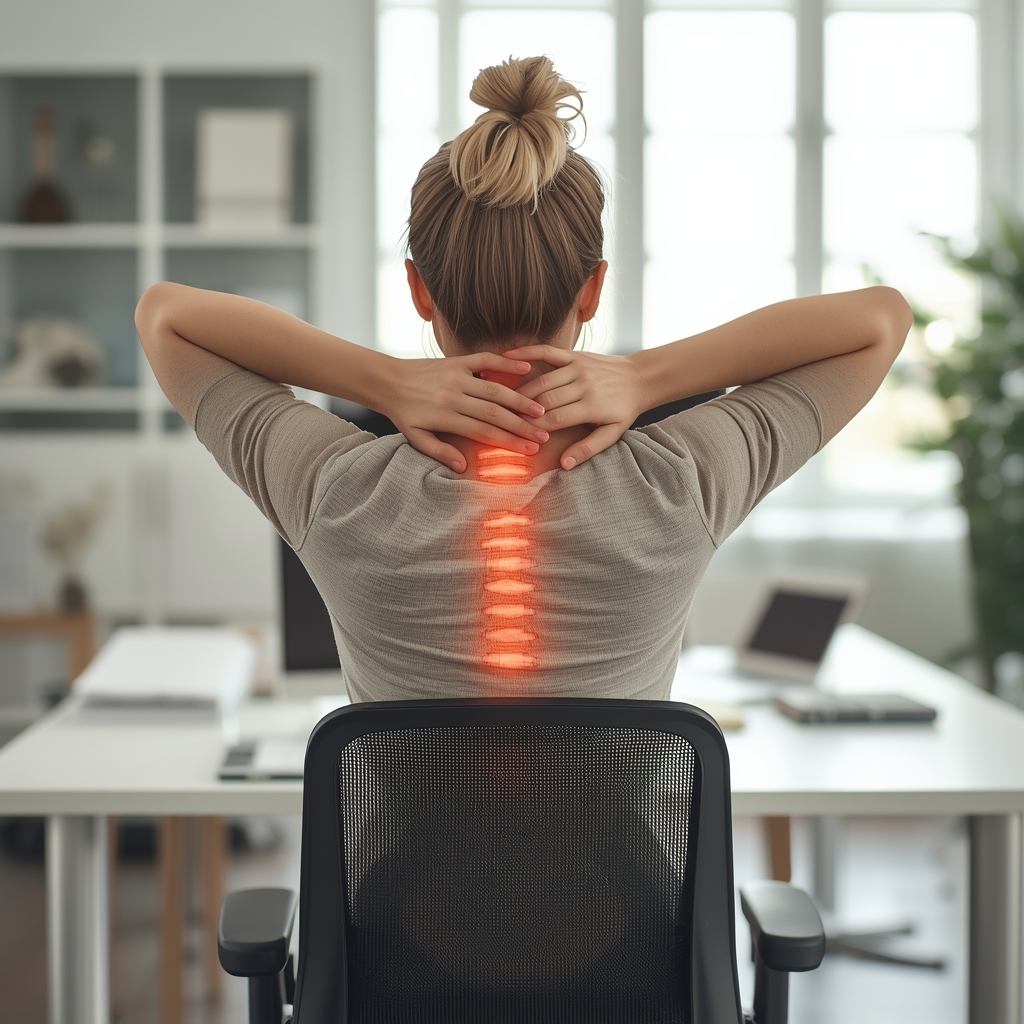
Adjust Your Workspace for Holiday Routines
During the holiday season, office workers often face disrupted schedules, increased stress, and altered work environments. These changes can strain the back and neck if ergonomic principles are ignored. Start by ensuring your chair supports natural spinal curves, with feet flat on the floor and knees at 90 degrees. Adjust your monitor to eye level to prevent forward head posture, which strains the cervical spine. If working from home, create a dedicated workspace free from clutter. Regularly assess your setup as routines shift—holiday deadlines or remote work may require temporary adjustments. Prioritizing a stable, supportive environment reduces the risk of musculoskeletal strain. Consult a chiropractor to evaluate your workspace and receive personalized recommendations for maintaining proper alignment during busy seasons.
Practice Mindful Posture During Long Hours
Extended periods of sitting, common during holiday workloads, can lead to poor posture and cumulative strain. Be conscious of your sitting habits: avoid slouching, keep shoulders relaxed, and maintain a slight backward tilt in your lower back. Use a lumbar support cushion if your chair lacks adequate backrest. When standing, distribute weight evenly on both feet and avoid locking knees. Holiday distractions or stress may cause you to neglect posture, so set reminders to check your alignment. Simple adjustments, like taking a 2-minute stretch every hour, can alleviate tension. Remember, posture affects not only comfort but also long-term spinal health. A chiropractor can help identify postural imbalances and suggest corrective strategies tailored to your needs.
Incorporate Movement to Combat Stiffness
Sedentary behavior during the holidays increases the risk of back and neck pain. Combat this by integrating short, frequent movement breaks. Every 30 minutes, stand, walk, or perform gentle stretches to improve circulation and relieve muscle tightness. Simple exercises like neck rolls, shoulder shrugs, or seated spinal twists can ease tension. If your job allows, use a standing desk or alternate between sitting and standing. Even small movements, such as reaching for a file or adjusting your monitor, contribute to better mobility. Holiday stress may reduce motivation for physical activity, but staying active is crucial for spinal health. A chiropractor can guide you on safe, effective exercises to maintain flexibility and prevent strain during busy seasons.
Optimize Lighting and Screen Position
Poor lighting and incorrect screen placement during the holidays can exacerbate eye strain and neck discomfort. Ensure your workspace has adequate lighting to reduce squinting, which may lead to tension in the shoulders and upper back. Position your monitor 20-30 inches from your eyes, with the top of the screen at or slightly below eye level. This prevents tilting your head forward or upward, which strains the cervical spine. Avoid glare by adjusting window shades or using a screen filter. If working late, use a desk lamp to minimize blue light exposure. These adjustments not only protect vision but also support proper posture. A chiropractor can assess your setup and recommend ergonomic upgrades to minimize strain during extended work sessions.
Manage Stress to Reduce Physical Tension
Stress during the holidays often manifests as physical tension, contributing to back and neck pain. High stress levels can cause muscle tightness, poor posture, and reduced awareness of bodily strain. Practice stress-reduction techniques like deep breathing, meditation, or short walks to ease tension. Prioritize sleep and maintain a balanced diet to support overall well-being. If work-related stress becomes overwhelming, consider discussing workload adjustments with your employer. Chronic stress can lead to persistent musculoskeletal issues, so addressing it proactively is key. A chiropractor may offer complementary therapies, such as soft tissue work or adjustments, to relieve stress-induced discomfort. Always consult a healthcare provider for personalized strategies to manage stress effectively.
Recognize Early Signs of Strain and Seek Help
Ignoring early warning signs of back or neck strain can lead to chronic issues. Be alert to symptoms like persistent aches, stiffness, or radiating pain, which may indicate misalignment or overuse. If discomfort worsens during or after work, it’s a signal to reassess your habits. Don’t wait for severe pain—early intervention prevents long-term damage. A chiropractor can perform a thorough evaluation and recommend adjustments, exercises, or lifestyle changes to address the root cause. Holiday schedules may delay care, but prioritizing spinal health is essential. Regular checkups ensure your body remains aligned and resilient against seasonal demands. Proactive care supports both comfort and productivity during busy times.












