
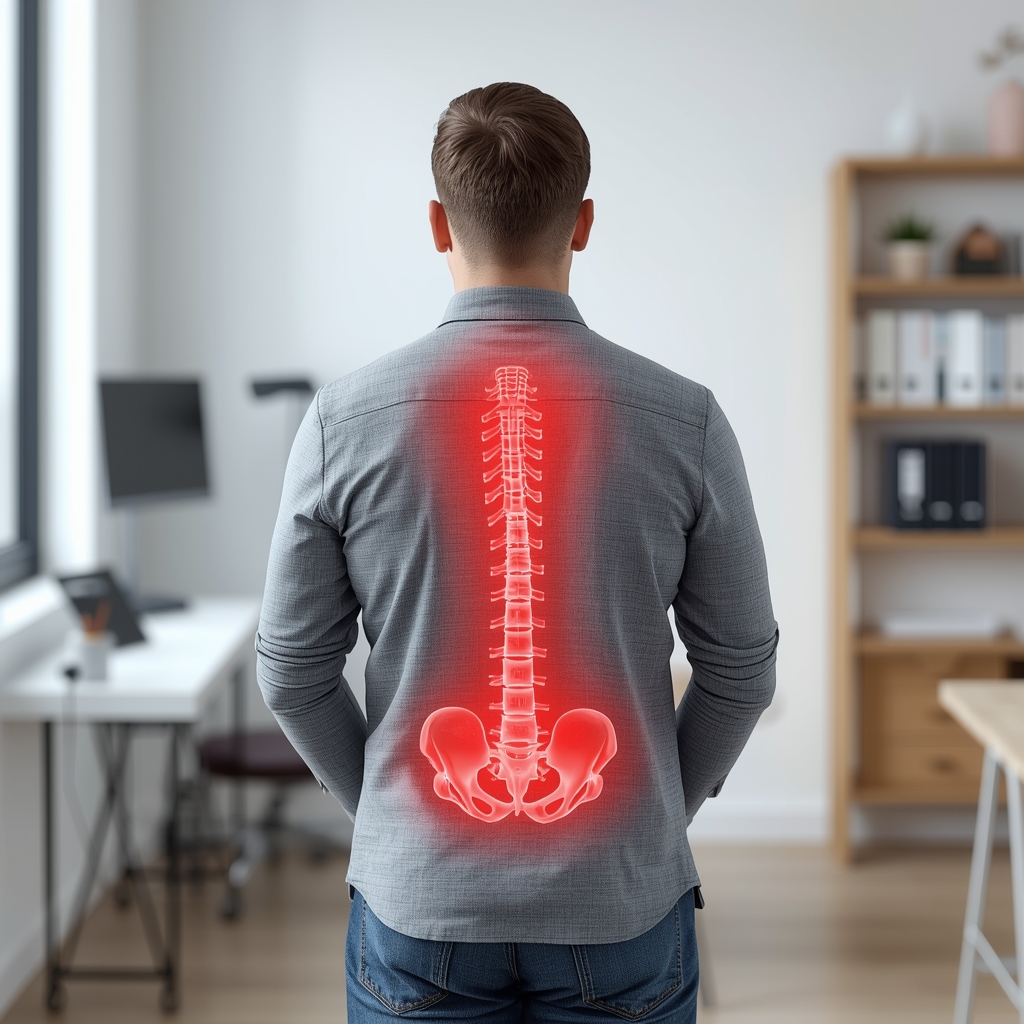
Understanding the Risks of Lower Back Injuries in Construction
Construction workers face a high risk of lower back injuries due to repetitive heavy lifting, awkward postures, and prolonged physical strain. The nature of the job often involves manual labor, which can lead to musculoskeletal stress. Chronic back pain is common, affecting productivity and quality of life. Ergonomic modifications are critical to mitigating these risks. While chiropractic care can support recovery, prevention through workplace adjustments is equally vital. Employers and workers must prioritize strategies that reduce strain on the spine and surrounding muscles. Understanding the specific challenges of construction work helps tailor effective solutions. By addressing ergonomic gaps, the industry can foster safer environments and reduce long-term injury consequences.
Adjustable Workstations and Equipment
Customizing workspaces to fit individual needs is a cornerstone of ergonomic safety. Adjustable workstations, such as those with height settings or modular components, allow workers to maintain neutral postures while performing tasks. For construction settings, equipment like lifting aids, mechanical jacks, or adjustable scaffolding can minimize bending and twisting. Tools with ergonomic handles reduce grip strain, and proper placement of materials lowers the need for excessive reaching. These modifications help distribute physical demands more evenly across the body. Employers should assess job-specific requirements to implement tailored solutions. By integrating adaptable equipment, construction sites can create safer, more efficient workflows that protect workers from avoidable back strain.
Proper Lifting Techniques and Training
Training workers in correct lifting mechanics is essential for preventing back injuries. Techniques such as bending at the knees, keeping the back straight, and using leg muscles rather than the lower back reduce strain. Regular refresher courses ensure these practices become ingrained. Employers should emphasize the importance of assessing load weight and seeking assistance for heavy objects. Incorporating drills that simulate real-world scenarios reinforces safe habits. Proper training also includes recognizing early signs of fatigue or discomfort, which can signal the need for breaks. By prioritizing education, construction companies empower workers to protect themselves. Combining technique training with ergonomic tools creates a layered approach to injury prevention.
Ergonomic Footwear and Floor Surfaces
Supportive footwear plays a key role in reducing lower back strain. Construction workers should wear shoes with cushioned soles, arch support, and non-slip treads to maintain stability on uneven surfaces. Footwear that absorbs shock helps distribute impact forces away from the spine. Additionally, floor surfaces should be designed to minimize fatigue—anti-fatigue mats in high-traffic areas can ease pressure on the lower back and legs. Workers should avoid standing on hard, unyielding surfaces for extended periods. Ensuring proper footwear and surface design complements other ergonomic strategies. These adjustments contribute to overall comfort and reduce the risk of cumulative strain injuries over time.
Regular Breaks and Movement Integration
Prolonged static postures increase the risk of back pain and fatigue. Encouraging regular breaks allows workers to stretch, reposition, and reset their bodies. Short, frequent pauses—every 30–60 minutes—help prevent muscle stiffness and improve circulation. Employers can implement structured break schedules or promote self-regulation based on task demands. Incorporating light movements, such as walking or dynamic stretches, keeps muscles engaged and reduces strain. Even simple actions like shifting weight from one foot to the other can alleviate pressure. By prioritizing movement, construction sites foster healthier work habits. These practices not only prevent injuries but also enhance overall productivity and worker well-being.
Chiropractic Care as a Preventive Measure
While ergonomic modifications are foundational, chiropractic care can complement these efforts by addressing musculoskeletal imbalances. Regular adjustments may improve spinal alignment, reduce tension, and enhance mobility. Chiropractors can also provide personalized guidance on posture, exercise, and injury prevention. However, these services should be discussed with a qualified provider to ensure they align with individual needs. Employers might consider partnerships with chiropractic professionals to offer on-site consultations or wellness programs. Integrating chiropractic care into a broader safety strategy creates a proactive approach to worker health. Ultimately, combining ergonomic practices with professional support offers a comprehensive defense against back injuries.















