
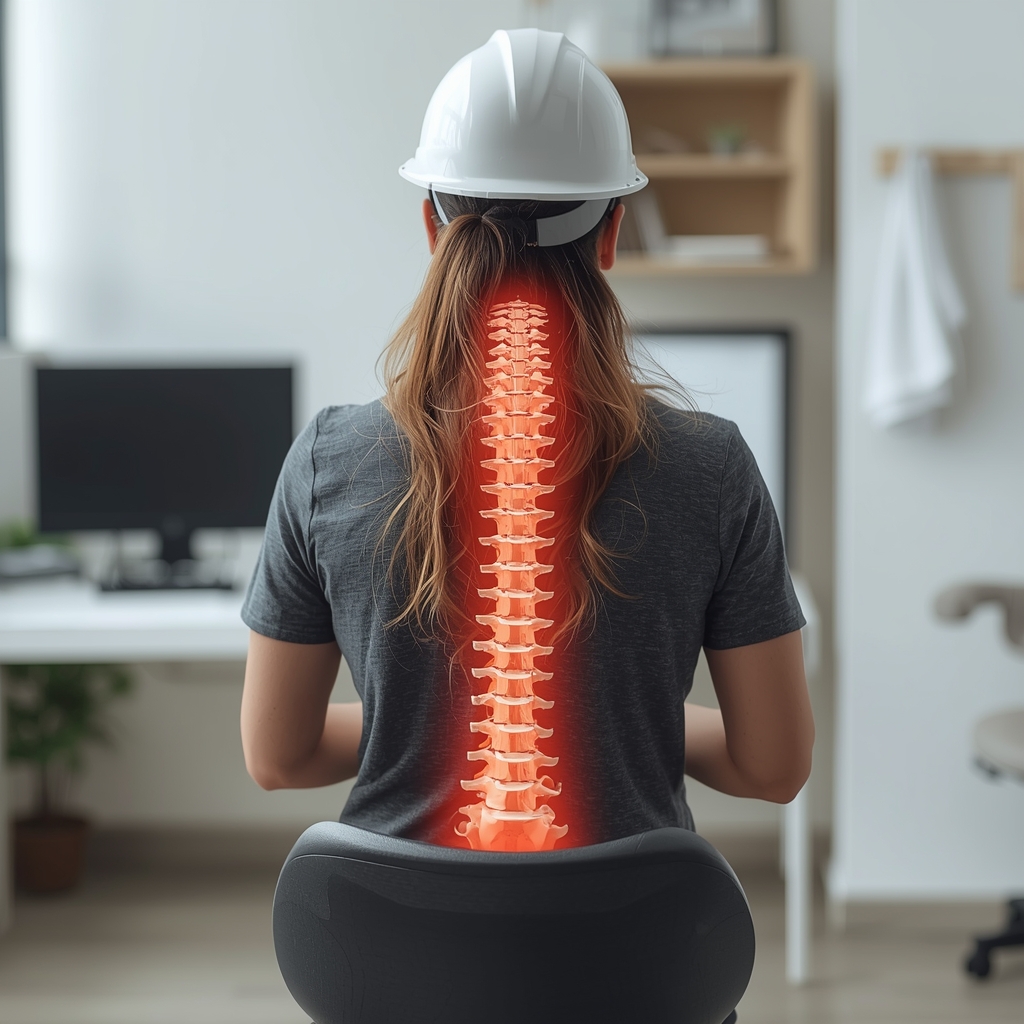
Understanding Upper Cross Syndrome in Construction Workers
Upper Cross Syndrome (UCS) is a common postural imbalance characterized by tightness in the chest and upper back muscles paired with weakness in the upper back and neck stabilizers. This condition often leads to forward head posture, rounded shoulders, and a hunched upper back, which can cause chronic pain and reduced mobility. Construction workers are particularly vulnerable due to repetitive lifting, overhead tasks, and prolonged periods in awkward positions. The syndrome’s prevalence underscores the need for proactive prevention strategies. While UCS is not exclusive to construction, the physical demands of the job—such as carrying heavy materials or operating machinery—can exacerbate its development. Understanding the biomechanical and ergonomic factors contributing to UCS is the first step in creating effective interventions. By addressing both structural and environmental causes, workers can mitigate risks and maintain spinal health. Chiropractic care and ergonomic adjustments play critical roles in this process, offering non-invasive solutions to correct imbalances and prevent long-term complications.
Ergonomic Modifications for Prevention
Ergonomic adjustments are essential for reducing the risk of Upper Cross Syndrome in construction settings. Workstations should be designed to minimize repetitive strain and promote neutral postures. For example, adjustable tool handles and lifting aids can reduce the need for excessive upper body force, while proper scaffolding and platform heights help maintain balanced body positioning. Workers should also prioritize lifting techniques that engage the legs rather than the back, avoiding excessive spinal flexion or rotation. Footwear with adequate support is crucial, as unstable footing can lead to compensatory postural changes. Regular breaks and stretching routines, even in fast-paced environments, can alleviate muscle tension and improve circulation. Employers can further support prevention by implementing ergonomic training programs that educate workers on posture, equipment use, and body mechanics. These modifications not only address immediate risks but also foster long-term musculoskeletal resilience, reducing the likelihood of chronic conditions like UCS.
Spinal Adjustments and Chiropractic Care
Spinal adjustments performed by licensed chiropractors can play a vital role in preventing and managing Upper Cross Syndrome. These adjustments aim to restore proper alignment to the cervical and thoracic spine, alleviating pressure on nerves and muscles that contribute to postural imbalances. By correcting subluxations—misalignments of spinal vertebrae—chiropractors can improve joint mobility and reduce tension in overactive muscles, such as the pectorals and upper trapezius. Regular adjustments also support the body’s natural ability to maintain proper posture, counteracting the effects of repetitive stress and poor ergonomics. Chiropractors may incorporate soft tissue therapies, such as myofascial release, to address muscle tightness and enhance treatment outcomes. For construction workers, who often face high physical demands, chiropractic care offers a non-invasive way to maintain spinal health and prevent the progression of UCS. It is important to note that adjustments should be tailored to individual needs, emphasizing safety and effectiveness through personalized care plans.
Integrating Ergonomics with Chiropractic Care
A holistic approach combining ergonomic modifications and chiropractic care is often the most effective strategy for preventing Upper Cross Syndrome. Ergonomic adjustments address environmental and mechanical risk factors, while chiropractic interventions target musculoskeletal imbalances directly. For instance, a worker with tight chest muscles may benefit from both stretching exercises recommended by a chiropractor and ergonomic tools that reduce strain on the upper body. Regular chiropractic check-ups can identify early signs of postural deviations, allowing for timely adjustments and preventive measures. Employers and workers can collaborate to create integrated wellness programs that include both ergonomic assessments and access to chiropractic services. This dual focus ensures that physical demands are managed without compromising spinal health. Additionally, education on proper posture and body mechanics enhances the effectiveness of both approaches, fostering a culture of prevention. By aligning ergonomic and chiropractic strategies, construction workers can significantly reduce their risk of developing chronic musculoskeletal issues.
Case Studies and Practical Applications
Real-world applications of ergonomic and chiropractic interventions highlight their effectiveness in preventing Upper Cross Syndrome. For example, a construction company that implemented ergonomic tool upgrades and regular chiropractic check-ups reported a noticeable reduction in musculoskeletal complaints among workers. Employees who participated in posture correction programs, including stretching and strengthening exercises, experienced improved mobility and fewer instances of neck and shoulder pain. Another case involved a worker with chronic UCS who, after a series of adjustments and ergonomic modifications, regained proper spinal alignment and reduced reliance on pain medication. While specific outcomes vary, these examples illustrate the potential benefits of a multifaceted approach. Workers who prioritize both environmental and physiological factors are better equipped to manage the physical demands of their jobs. Employers can support this by investing in ergonomic resources and encouraging access to chiropractic care, creating a safer and more sustainable work environment. Such initiatives not only enhance individual well-being but also contribute to overall productivity and job satisfaction.
Long-Term Strategies for Sustained Prevention
Maintaining spinal health requires ongoing commitment to both ergonomic practices and chiropractic care. Construction workers should adopt habits that reinforce proper posture, such as taking frequent breaks to stretch, using supportive equipment, and avoiding prolonged static positions. Employers can reinforce these efforts by establishing wellness policies that prioritize musculoskeletal health, including regular ergonomic audits and access to preventive care. Education is also key—workers should be informed about the risks of Upper Cross Syndrome and how to recognize early warning signs. Chiropractors can play a central role in this process by offering personalized guidance on exercises, posture correction, and lifestyle adjustments. Consistent follow-ups and adjustments ensure that interventions remain effective over time, adapting to changing physical demands. By integrating these strategies into daily routines, workers can reduce their susceptibility to UCS and other posture-related issues. Ultimately, a proactive approach to spinal health not only prevents injuries but also enhances overall quality of life, enabling construction professionals to perform their duties with greater comfort and efficiency.














