
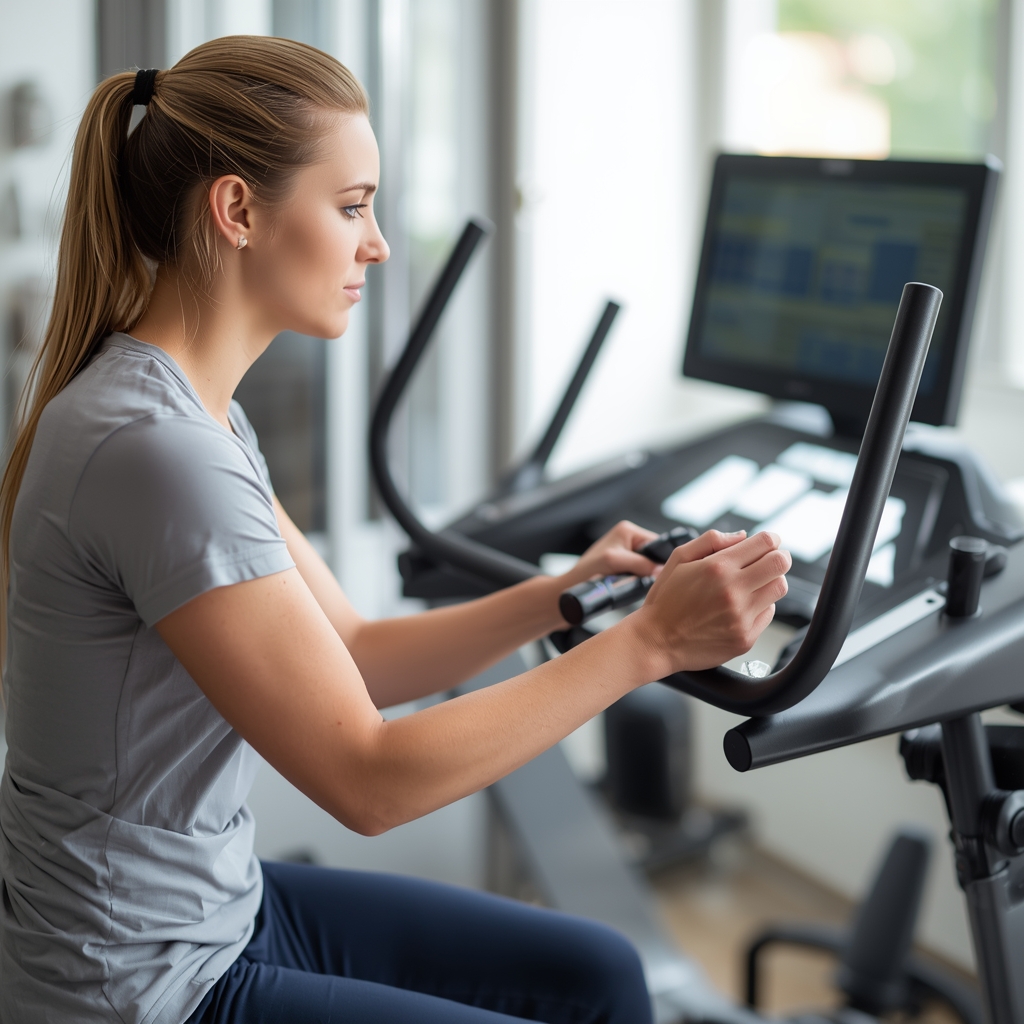
Ergonomic Adjustments for Hand-Intensive Equipment
Ergonomic modifications begin with evaluating the tools athletes use. For example, adjusting grip size on racquets, handles, or training equipment can reduce strain on the median nerve. Customizing equipment to fit an athlete’s hand dimensions minimizes excessive compression. Tools with padded grips or ergonomic designs distribute pressure more evenly, lowering the risk of repetitive stress. Athletes should also consider the weight and balance of equipment, as uneven distribution can force awkward hand positions. Regularly inspecting gear for wear and tear ensures it maintains ergonomic integrity. These adjustments, while seemingly minor, create a foundation for preventing cumulative strain on the wrist and hand structures.
Posture and Hand Positioning Techniques
Proper posture and hand positioning are critical for athletes using hand-intensive equipment. Maintaining a neutral wrist alignment—avoiding excessive flexion or extension—reduces pressure on the carpal tunnel. Athletes should be mindful of their body mechanics during activities, such as gripping a bicycle handlebar or swinging a bat. Adjusting the height of training equipment or using supportive braces can help maintain optimal positioning. For example, wrist wraps or splints during high-risk activities provide stability without restricting movement. Incorporating stretching routines that target the forearm and wrist muscles further supports healthy biomechanics. These practices, when combined with ergonomic tools, create a layered approach to injury prevention.
Regular Breaks and Movement Routines
Incorporating frequent breaks and movement into training sessions is essential for reducing repetitive strain. Athletes should follow the 20-20-20 rule: every 20 minutes, take a 20-second break to stretch and move their hands and wrists. Simple exercises like finger extensions, wrist rotations, and shaking out the hands can improve circulation and relieve tension. Coaches and trainers can integrate short, structured movement breaks into practice schedules. Additionally, alternating between tasks that require different hand movements prevents overuse of specific muscles. These habits, though easy to implement, significantly lower the risk of cumulative stress on the median nerve and surrounding tissues.
Custom Orthotics and Supportive Gear
Custom orthotics or supportive gear can provide targeted relief and prevention for athletes prone to hand strain. Custom-made wrist braces or splints offer tailored support during high-impact activities, maintaining proper alignment without limiting mobility. Some athletes benefit from gel or foam inserts in gloves or equipment to cushion pressure points. For those with existing discomfort, ergonomic gloves with reinforced padding can reduce friction and compression. It’s important to consult a healthcare professional to ensure these tools fit correctly and address individual needs. While supportive gear is not a standalone solution, it complements other ergonomic strategies to protect the hands and wrists during intense training.
Strengthening and Flexibility Exercises
Strengthening the muscles around the wrist and hand improves overall stability and reduces injury risk. Exercises like grip strengthening with therapy balls, resistance band work, and finger stretches enhance muscular endurance. Flexibility routines, including wrist flexor and extensor stretches, promote range of motion and reduce stiffness. Athletes should perform these exercises regularly, ideally as part of a warm-up or cool-down routine. Physical therapists or chiropractors can recommend tailored programs based on an athlete’s specific demands. By building resilience in the hand and forearm, athletes better withstand the repetitive stresses of their equipment, lowering the likelihood of carpal tunnel syndrome.
Consulting Professionals for Personalized Guidance
Each athlete’s needs differ, making professional consultation vital for effective ergonomic strategies. Chiropractors, physical therapists, or occupational therapists can assess individual biomechanics and recommend customized solutions. They may identify subtle postural issues or equipment misuse contributing to strain. Regular check-ins allow for adjustments as training intensity evolves. Professionals can also guide athletes on proper technique and recovery practices. While general ergonomic principles apply broadly, personalized advice ensures modifications align with an athlete’s unique requirements. Collaborating with experts empowers athletes to maintain hand health while pursuing their sport.














