
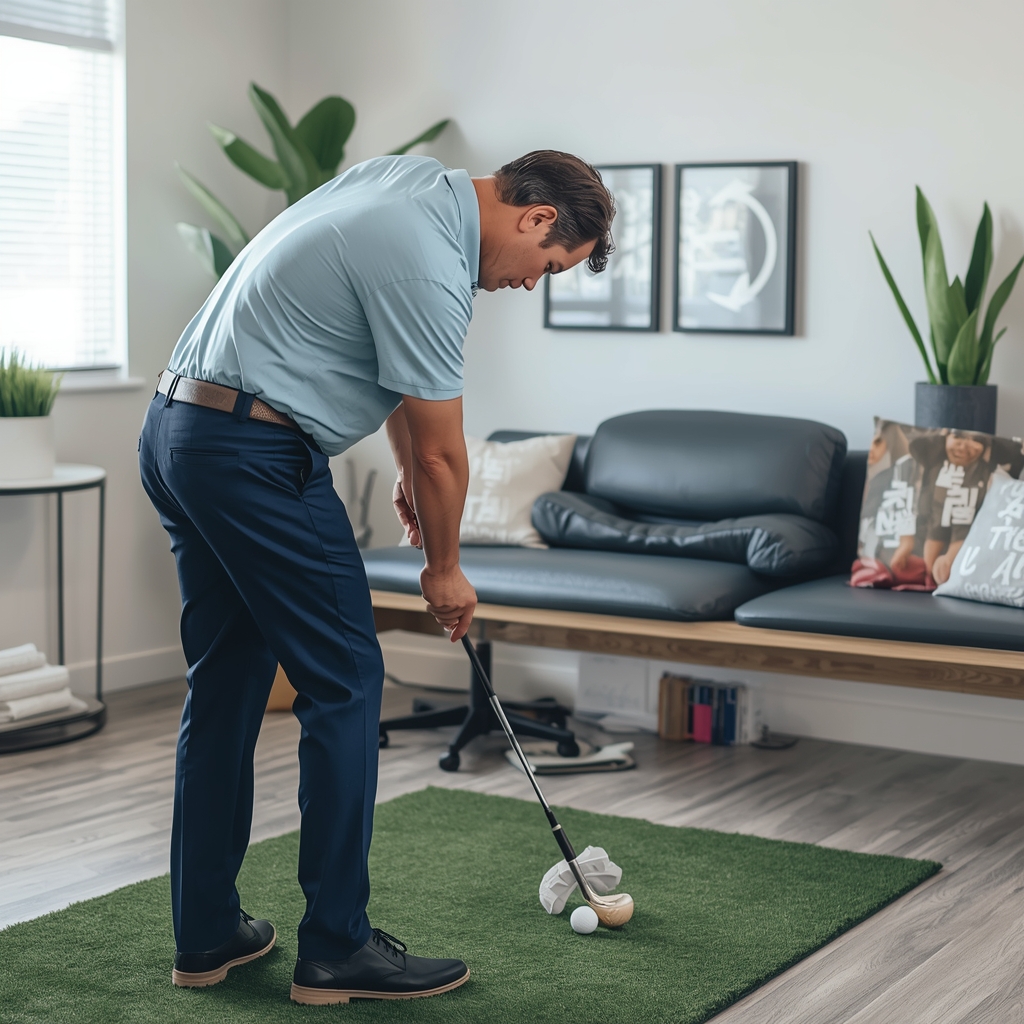
Understanding the Link Between Hip Pain and Golf Swing Mechanics
Chronic hip pain can significantly disrupt a golfer’s swing consistency by limiting range of motion, altering weight transfer, and creating compensatory movements. The hip joint plays a critical role in rotational power and stability during the swing, and dysfunction here often leads to inefficient mechanics. Poor alignment or restricted mobility in the hips may force golfers to overuse other body parts, such as the lower back or shoulders, increasing injury risk. Chiropractic care addresses these issues by restoring proper joint function and neuromuscular coordination. By identifying and correcting biomechanical imbalances, chiropractors help golfers achieve smoother, more consistent swings while reducing pain. This approach emphasizes the interconnected nature of the body’s systems, ensuring that adjustments to the hips support overall movement efficiency.
Spinal Adjustments for Improved Alignment
Spinal adjustments are a cornerstone of chiropractic care for golfers with hip pain, as misalignments in the spine can directly affect hip function. The lumbar and sacral regions of the spine are particularly relevant, as they connect to the hip joints and influence lower-body mechanics. When vertebrae are out of alignment, nerve pathways may become compressed, leading to muscle tension, reduced mobility, and pain. Chiropractors use precise adjustments to realign the spine, alleviating pressure on nerves and improving communication between the brain and musculoskeletal system. This can enhance hip mobility, reduce discomfort, and support more efficient swing mechanics. Regular adjustments also help maintain long-term spinal health, which is essential for sustaining performance gains over time.
Soft Tissue Techniques to Alleviate Hip Tension
Soft tissue therapies, such as Active Release Technique (ART) and Graston Technique, are effective for addressing muscle tightness and adhesions that contribute to hip pain. These methods target specific areas of tension in the hip flexors, glutes, and surrounding connective tissue, restoring flexibility and reducing discomfort. For golfers, tight hip muscles can restrict rotational movement, leading to inconsistent swings and increased strain on the lower back. Chiropractors trained in these techniques use manual pressure and specialized tools to break down scar tissue and improve blood flow, promoting faster recovery. By integrating soft tissue work with spinal adjustments, practitioners address both structural and muscular components of hip dysfunction, enabling golfers to move more freely and with greater control during their swings.
Corrective Exercises for Hip Stability
Chiropractors often prescribe corrective exercises to strengthen the muscles supporting the hips and improve joint stability. Weakness or imbalances in the glutes, core, and hip stabilizers can exacerbate pain and hinder swing consistency. These exercises are tailored to the individual’s needs, focusing on movements that enhance flexibility, balance, and coordination. For example, hip bridges, clamshells, and single-leg squats can strengthen key muscle groups while promoting proper biomechanics. By reinforcing these muscles, golfers can better maintain alignment during their swing, reducing the likelihood of compensatory movements. Chiropractors may also recommend stretches to maintain range of motion, ensuring that the hips remain mobile and less prone to injury. Consistent practice of these exercises complements manual treatments, fostering long-term improvements in performance and comfort.
The Role of Posture in Swing Consistency
Proper posture is essential for both spinal health and efficient golf swing mechanics. Poor posture, such as excessive lumbar curvature or anterior pelvic tilt, can place undue stress on the hips and lower back, leading to pain and inconsistent swings. Chiropractors assess a golfer’s posture to identify misalignments and develop strategies to correct them. This may involve adjustments to the spine, soft tissue work, and recommendations for ergonomic improvements in daily activities. By restoring neutral spinal positioning, chiropractors help golfers maintain better balance and control during their swing. Additionally, improved posture reduces the risk of overcompensation, allowing for smoother, more powerful movements. Addressing postural issues is a key component of a holistic approach to managing hip pain and enhancing athletic performance.
Integrating Chiropractic Care with Golf Training
Chiropractic care works best when combined with targeted golf training and rehabilitation. A chiropractor may collaborate with golf instructors or physical therapists to create a comprehensive plan that addresses both biomechanical and skill-based factors. This integration ensures that adjustments and exercises align with the specific demands of the golf swing, optimizing results. For example, mobility drills and strength training can be timed with chiropractic sessions to maximize recovery and performance gains. Golfers may also benefit from personalized swing analysis to identify movement patterns that contribute to hip strain. By combining manual care with sport-specific strategies, chiropractors help athletes achieve greater consistency, reduce pain, and prolong their careers. This collaborative approach underscores the value of chiropractic care as a supportive tool for athletic development.













