
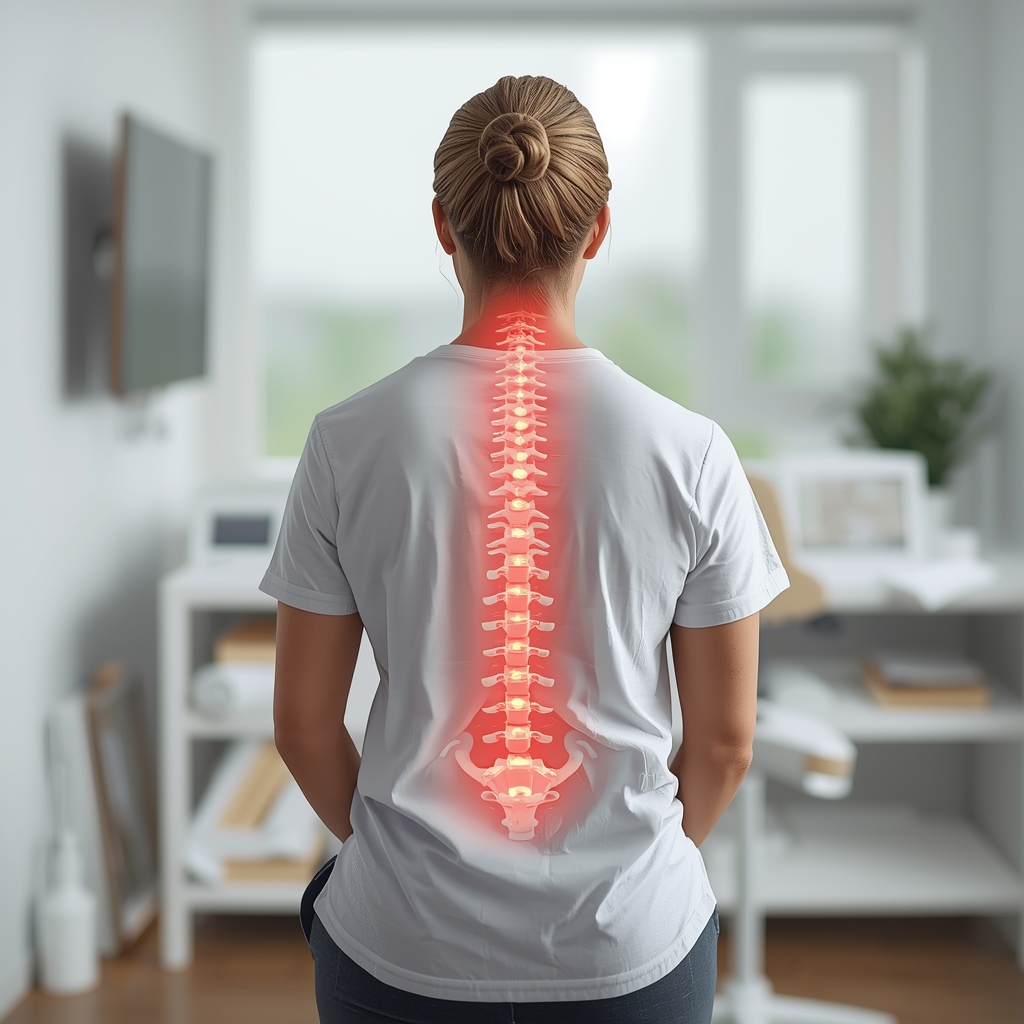
Understanding Post-Surgical Spinal Recovery
Spinal fusion surgery involves joining vertebrae to stabilize the spine, often following injury, degeneration, or deformity. While the procedure itself is critical, post-operative rehabilitation plays an equally vital role in restoring mobility, reducing pain, and preventing complications. Chiropractic care can complement traditional recovery protocols by addressing soft tissue restrictions, improving alignment, and supporting the body’s natural healing processes. However, techniques must be carefully tailored to avoid compromising the surgical site. Patients should always consult their surgeon and chiropractor to ensure interventions align with their specific recovery timeline and medical needs.
Soft Tissue Techniques for Scar Management
Scar tissue formation is a natural part of healing after spinal surgery, but excessive adhesions can limit mobility and cause discomfort. Soft tissue therapies, such as Active Release Technique (ART) and Graston Technique, focus on breaking down these restrictions without directly manipulating the fused spine. These methods target surrounding muscles, ligaments, and fascia to restore flexibility and reduce tension. For example, ART uses manual pressure and movement to release tight bands of scar tissue, while Graston employs specialized tools to detect and treat adhesions. When performed by a trained professional, these techniques can enhance range of motion and alleviate secondary pain caused by compensatory movement patterns.
Spinal Mobilization and Gentle Adjustments
While spinal manipulation is a cornerstone of chiropractic care, post-fusion patients require a modified approach. Chiropractors may use gentle mobilization techniques to address adjacent joints, ensuring the spine remains balanced without stressing the fused area. These adjustments are typically low-force and focused on maintaining overall spinal health rather than realigning the fused segment. For instance, techniques like diversified adjustments or instrument-assisted methods can be adapted to avoid direct pressure on the surgical site. The goal is to prevent stiffness in neighboring regions, which can otherwise lead to pain or dysfunction. Patients should communicate their surgical history clearly to ensure care remains safe and effective.
Rehabilitation Exercises and Movement Therapy
Incorporating targeted exercises is essential for post-surgical recovery. Chiropractors often collaborate with physical therapists to design programs that strengthen core muscles, improve posture, and enhance flexibility. Low-impact activities like walking, swimming, or stationary cycling can promote circulation and reduce stiffness without straining the spine. Stretching routines, such as yoga or Pilates, may also be recommended to maintain mobility in non-fused areas. These exercises help prevent muscle atrophy, support the healing process, and reduce the risk of future injuries. It’s crucial for patients to follow a structured plan and avoid high-impact or twisting movements that could jeopardize the fusion site.
Integrating Modalities for Comprehensive Care
Chiropractic care often combines multiple therapies to address post-surgical challenges. Cold laser therapy, for example, may be used to reduce inflammation and stimulate tissue repair, while ultrasound therapy can improve blood flow to the affected area. Electrical stimulation might also be employed to manage pain and relax surrounding muscles. These modalities are typically used alongside hands-on techniques to create a holistic recovery strategy. By addressing both structural and physiological factors, chiropractors help patients achieve better outcomes. However, the specific combination of treatments should be determined through a thorough assessment and ongoing communication with the patient’s healthcare team.
Collaborative Care and Patient Education
Successful post-surgical recovery requires a multidisciplinary approach. Chiropractors often work closely with surgeons, physical therapists, and primary care providers to ensure all interventions are coordinated and safe. Patient education is equally important—understanding the healing process, recognizing warning signs, and adhering to prescribed protocols can significantly impact outcomes. For example, patients should be aware of when to avoid certain movements or activities that could hinder recovery. Regular follow-ups allow chiropractors to monitor progress and adjust care plans as needed. This collaborative, patient-centered model fosters long-term wellness and reduces the risk of complications.














